
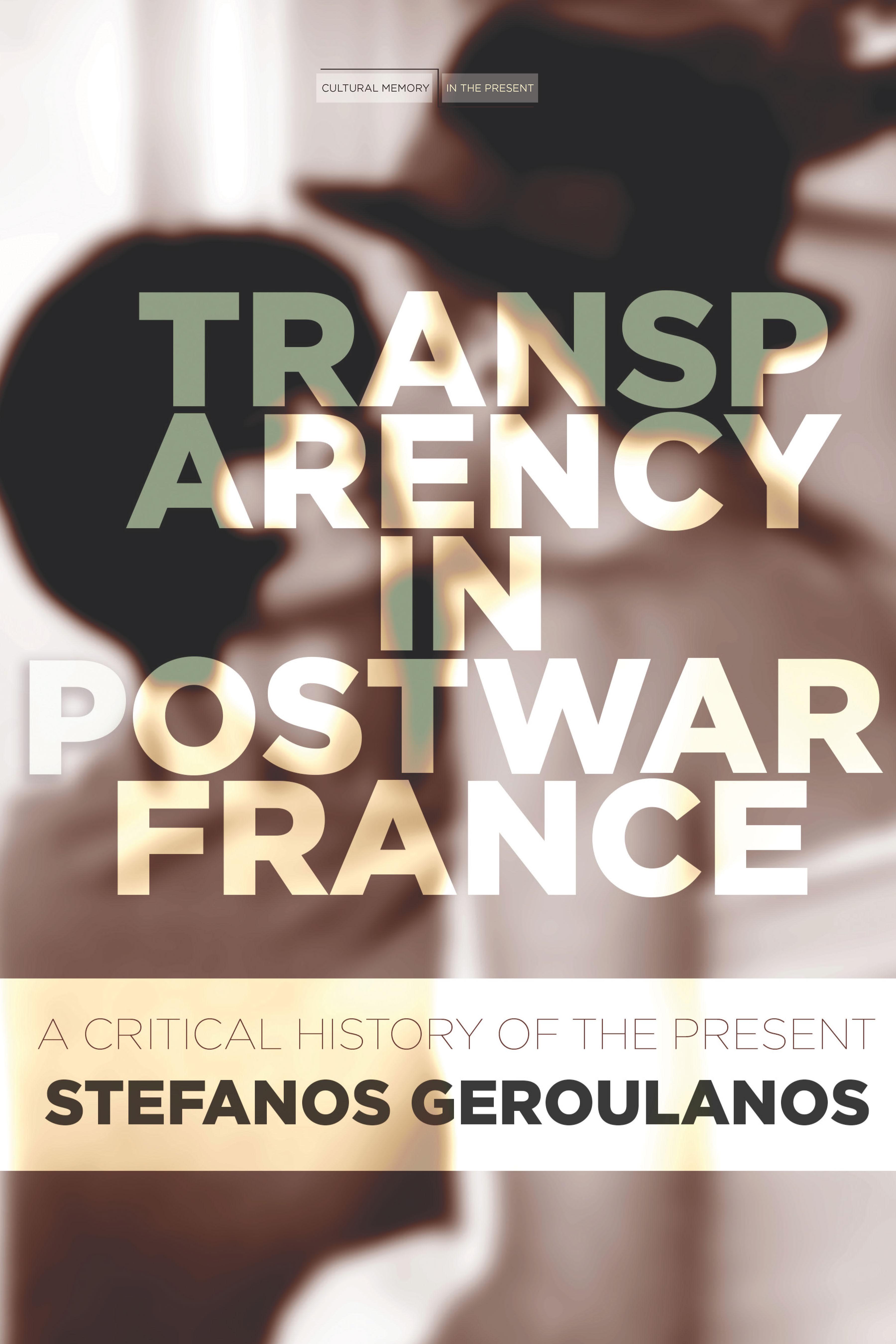
This book returns to a time and place when the concept of transparency was met with deep suspicion. It offers a panorama of postwar French thought where attempts to show the perils of transparency in politics, ethics, and knowledge led to major conceptual inventions, many of which we now take for granted.
Between 1945 and 1985, academics, artists, revolutionaries, and state functionaries spoke of transparency in pejorative terms. Associating it with the prying eyes of totalitarian governments, they undertook a critical project against it—in education, policing, social psychology, economic policy, and the management of information. Focusing on Sartre, Lacan, Canguilhem, Lévi-Strauss, Leroi-Gourhan, Foucault, Derrida, and others, Transparency in Postwar France explores the work of ethicists, who proposed that individuals are transparent neither to each other nor to themselves, and philosophers, who clamored for new epistemological foundations. These decades saw the emergence of the colonial and phenomenological "other," the transformation of ideas of normality, and the effort to overcome Enlightenment-era humanisms and violence in the name of freedom. These thinkers' innovations remain centerpieces for any resistance to contemporary illusions that tolerate or enable power and social coercion.
Paga facilmente con carta, Klarna, Apple Pay o Google Pay. Non sei soddisfatto? Hai sempre 14 giorni per il rimborso. Leggi di più nei nostri termini. Per qualsiasi domanda, scrivici a hello@memmo.org.
Memmo rende lo studio più facile, ovunque tu sia nel mondo. Qui trovi i tuoi libri di testo e strumenti di studio intelligenti, tutto in un unico posto: riassunti, quiz, podcast e flashcard. E poi c'è Ted, il tuo compagno di studio che risponde a ogni tua domanda. Oltre 50.000 studenti studiano già qui: è stato creato per aiutarti a imparare più velocemente e a stressarti meno.