
A valuable, important, persuasively argued book. Highly recommended. ― Choice
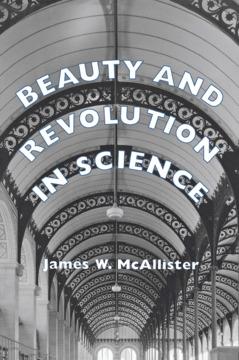
Explaining why he embraced the theory of relativity, the Nobel Prize-winning theoretical physicist P. A. M. Dirac stated, "It is the essential beauty of the theory which I feel is the real reason for believing in it." How reasonable and rational can science be when its practitioners speak of "revolutions" in their thinking and extol certain theories for their "beauty"? James W. McAllister addresses this question with the first systematic study of the aesthetic evaluations that scientists pass on their theories.
Using a wealth of other examples, McAllister explains how scientists' aesthetic preferences are influenced by the empirical track record of theories, describes the origin and development of aesthetic styles of theorizing, and reconsiders whether simplicity is an empirical or an aesthetic virtue of theories.
McAllister then advances an innovative model of scientific revolutions, in opposition to that of Thomas S. Kuhn. Three detailed studies demonstrate the interconnection of empirical performance, beauty, and revolution. One examines the impact of new construction materials on the history of architecture. Another reexamines the transition from the Ptolemaic system to Kepler's theory in planetary astronomy, and the third documents the rise of relativity and quantum theory in the twentieth century.
Paga facilmente con carta, Klarna, Apple Pay o Google Pay. Non sei soddisfatto? Hai sempre 14 giorni per il rimborso. Leggi di più nei nostri termini. Per qualsiasi domanda, scrivici a hello@memmo.org.
Memmo rende lo studio più facile, ovunque tu sia nel mondo. Qui trovi i tuoi libri di testo e strumenti di studio intelligenti, tutto in un unico posto: riassunti, quiz, podcast e flashcard. E poi c'è Ted, il tuo compagno di studio che risponde a ogni tua domanda. Oltre 50.000 studenti studiano già qui: è stato creato per aiutarti a imparare più velocemente e a stressarti meno.