
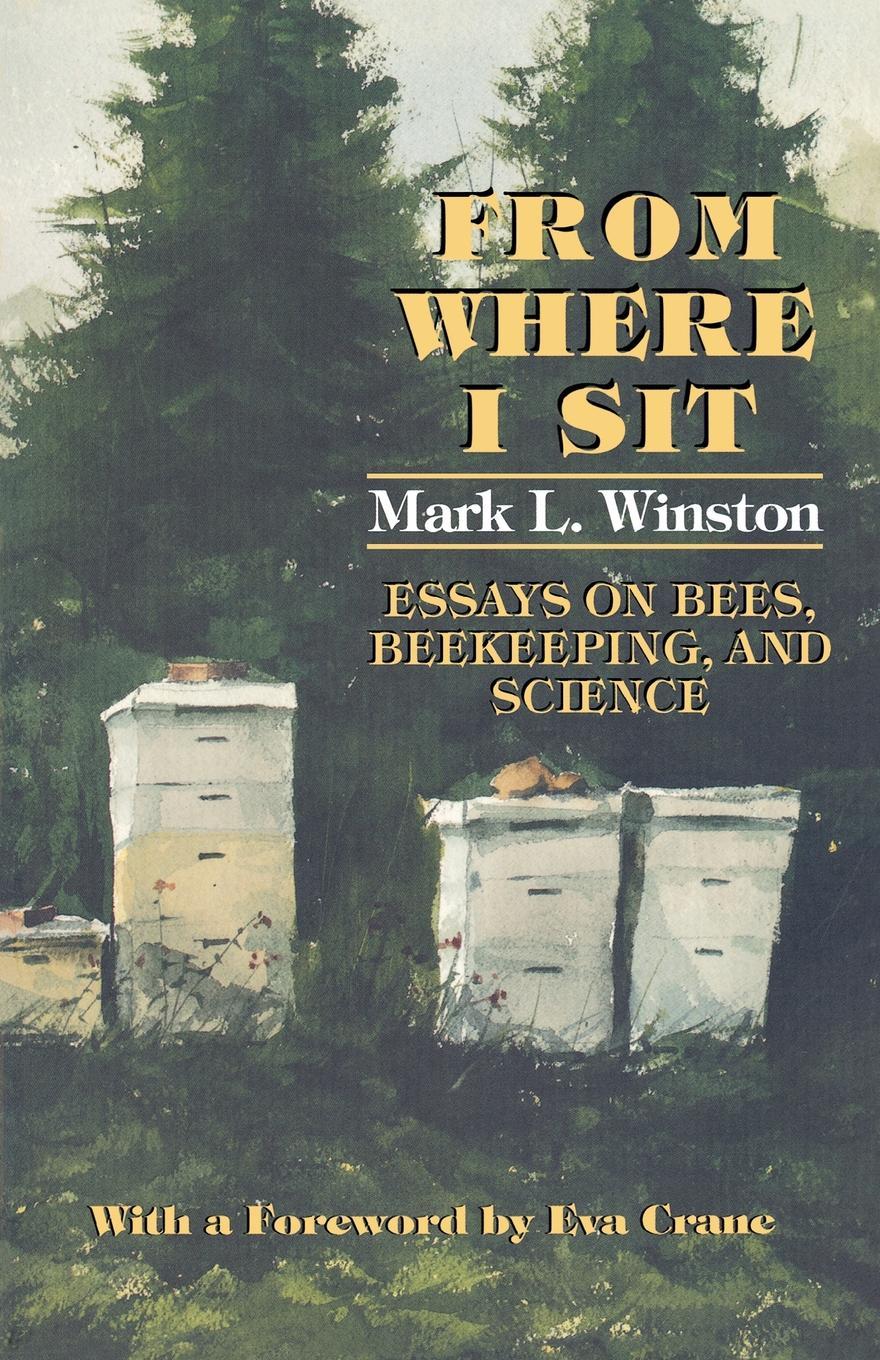
A scientist before he was a beekeeper, Mark L. Winston found in his new hobby a paradigm for understanding the role science should play in society. In essays originally appearing as columns in Bee Culture, the leading professional journal, Winston uses beekeeping as a starting point to discuss broader issues, such as how agriculture functions under increasingly complex social and environmental restraints, how scientists grapple with issues of accountability, and how people struggle to maintain contact with the natural world.
Winston's reflections on bees, beekeeping, and science cover a period of tumultuous change in North America, a time when new parasites, reduced research funding, and changing economic conditions have disrupted the livelihoods of bee farmers.
"Managed honeybees in the city provide a major public service by pollinating gardens, fruit trees, and berry bushes, and should be encouraged rather than legislated out of existence. Our cities, groomed and cosmopolitan as they appear, still obey the basic rules of nature, and our gardens and yards are no exception. Homegrown squashes, apple trees, raspberries, peas, beans, and other garden crops require bees to move the pollen from one flower to another, no matter how urbanized or sophisticated the neighborhood."
Paga facilmente con carta, Klarna, Apple Pay o Google Pay. Non sei soddisfatto? Hai sempre 14 giorni per il rimborso. Leggi di più nei nostri termini. Per qualsiasi domanda, scrivici a hello@memmo.org.
Memmo rende lo studio più facile, ovunque tu sia nel mondo. Qui trovi i tuoi libri di testo e strumenti di studio intelligenti, tutto in un unico posto: riassunti, quiz, podcast e flashcard. E poi c'è Ted, il tuo compagno di studio che risponde a ogni tua domanda. Oltre 50.000 studenti studiano già qui: è stato creato per aiutarti a imparare più velocemente e a stressarti meno.