
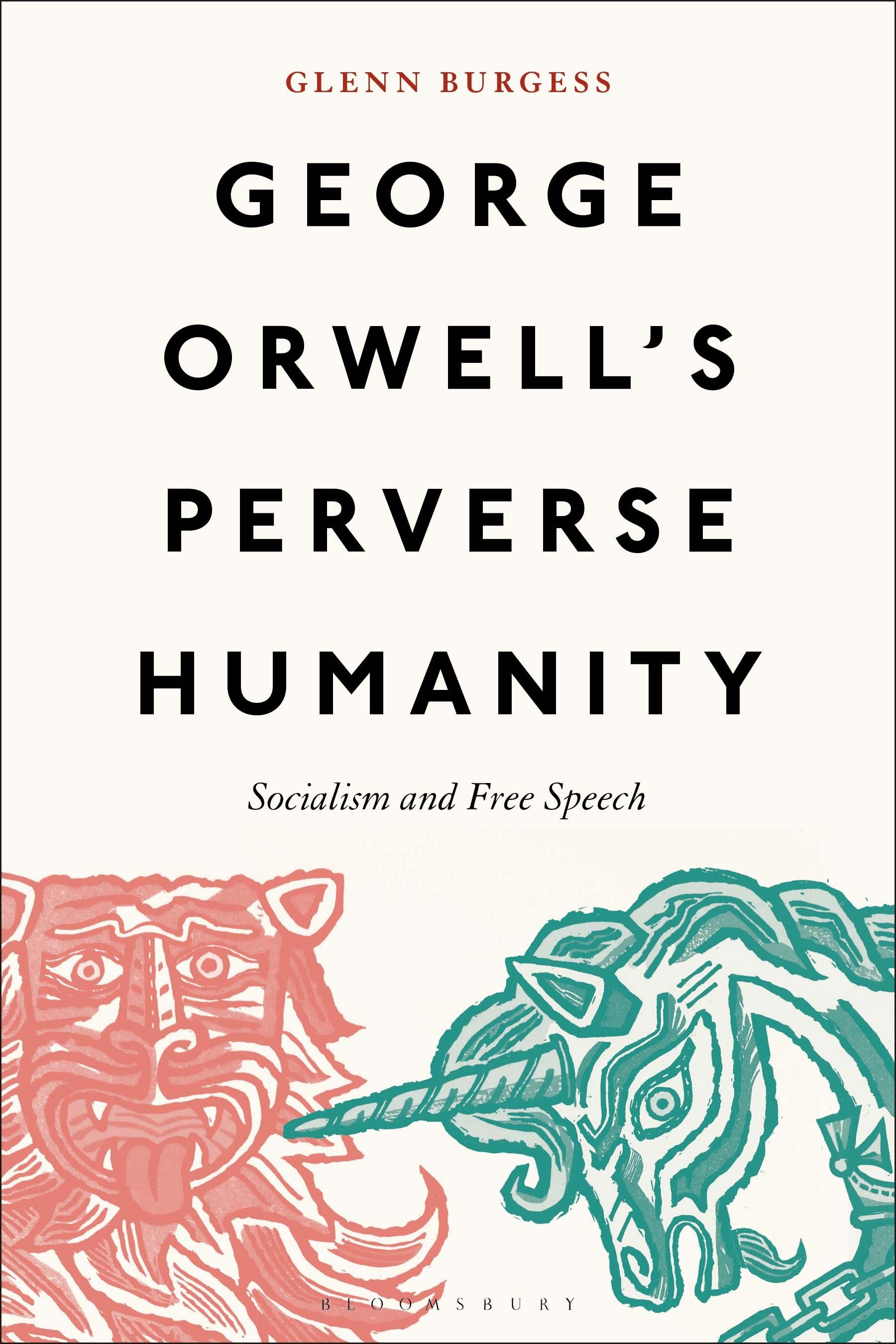
This is the first book to focus primarily on George Orwell's ideas about free speech and related matters – freedom of the press, the writer's freedom of expression, honesty and truthfulness – and, in particular, the ways in which they are linked to his political vision of socialism.
Orwell is today claimed by the Left and Right, by neo-conservatives and neo-socialists. How is that possible? Part of the answer, as Glenn Burgess reveals, is that Orwell was an odd sort of socialist. The development of Orwell's socialism was, from the start, conditioned by his individualist and liberal commitments. The hopes he attached to socialism were for a fairer, more equal world that would permit human freedom and individuality to flourish, completing, not destroying, the work of liberalism. Freedom of thought was a central part of this, and its defence and use were essential parts of the struggle to ensure that socialism developed in a liberal, humane form that did not follow the totalitarian path of Soviet communism.
Written in celebration of Orwell's dictum, 'We hold that the most perverse human being is more interesting than the most orthodox gramophone record,' George Orwell's Perverse Humanity is a portrait of Orwell that captures these themes and provides a new understanding of him as a political thinker and activist. Based on archival research and new materials that affirm his work as an activist for freedom, it also uncovers a socialist ideology that has been obscured in just the way that the author feared it would be – associated in many people's minds with totalitarian unfreedom.
Orwell is today claimed by the Left and Right, by neo-conservatives and neo-socialists. How is that possible? Part of the answer, as Glenn Burgess reveals, is that Orwell was an odd sort of socialist. The development of Orwell's socialism was, from the start, conditioned by his individualist and liberal commitments. The hopes he attached to socialism were for a fairer, more equal world that would permit human freedom and individuality to flourish, completing, not destroying, the work of liberalism. Freedom of thought was a central part of this, and its defence and use were essential parts of the struggle to ensure that socialism developed in a liberal, humane form that did not follow the totalitarian path of Soviet communism.
Written in celebration of Orwell's dictum, 'We hold that the most perverse human being is more interesting than the most orthodox gramophone record,' George Orwell's Perverse Humanity is a portrait of Orwell that captures these themes and provides a new understanding of him as a political thinker and activist. Based on archival research and new materials that affirm his work as an activist for freedom, it also uncovers a socialist ideology that has been obscured in just the way that the author feared it would be – associated in many people's minds with totalitarian unfreedom.
Pagine: 280
Categoria: Litteraturvetenskap & Teori
e-ISBN: 9781501394676
Peso di spedizione: 1.2 kg
Spedito in: 1-2 giorni
Paga facilmente con carta, Klarna, Apple Pay o Google Pay. Non sei soddisfatto? Hai sempre 14 giorni per il rimborso. Leggi di più nei nostri termini. Per qualsiasi domanda, scrivici a hello@memmo.org.
Memmo rende lo studio più facile, ovunque tu sia nel mondo. Qui trovi i tuoi libri di testo e strumenti di studio intelligenti, tutto in un unico posto: riassunti, quiz, podcast e flashcard. E poi c'è Ted, il tuo compagno di studio che risponde a ogni tua domanda. Oltre 50.000 studenti studiano già qui: è stato creato per aiutarti a imparare più velocemente e a stressarti meno.