
Who are we and how do we define our inner selves?
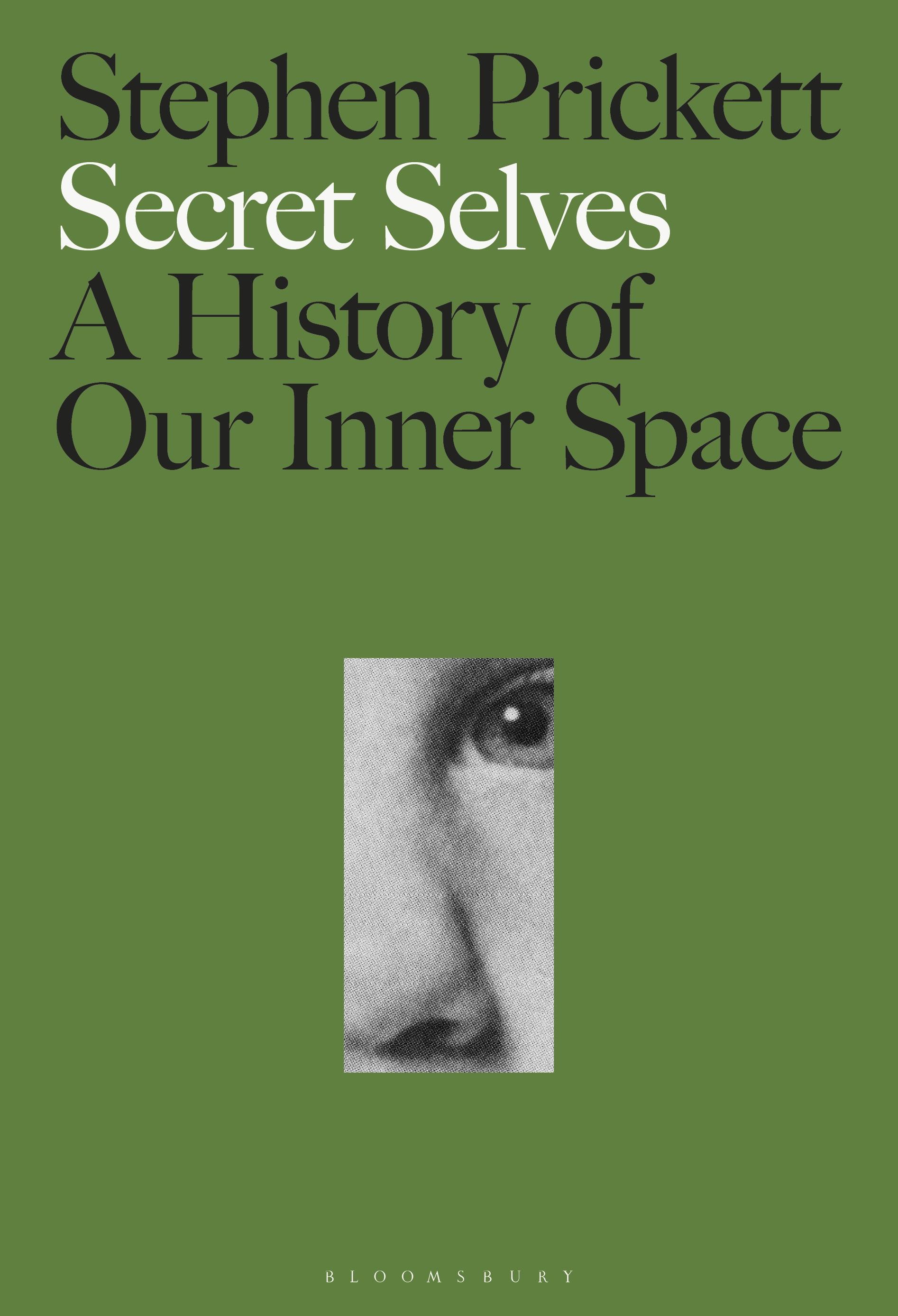
In his last work, Professor Stephen Prickett presents a literary and cultural exploration of our inner selves – and how we have created and written about them – from the Old Testament to social media.
What he finds is that although our secret, inner, sense of self – what we feel makes us distinctively 'us' – seems a natural and permanent part of being human, it is in fact surprisingly new. Whilst confessional religious writings, from Augustine to Jane Austen, or even diaries of 20th-century Holocaust victims, have explored inwards as part of a path to self-discovery, our inner space has expanded beyond any possible personal experience. This development has enhanced our capacity not merely to write about what we have never seen, but even to create fantasies and impossible fictions around them.
Yet our secret selves can also be a source of terror. The fringes of our inner worlds are often porous, ill-defined and susceptible to frightening forms of external control. Mystics and poets, from Dante to John Henry Newman or Gerard Manley Hopkins, sought God in their secret spaces not least because they feared the 'abyss beneath.'
From the origin of human consciousness through modern history and into the future, Secret Selves uses literature to consider the profound possibilities and ramifications of our evolving ideas of self.
In his last work, Professor Stephen Prickett presents a literary and cultural exploration of our inner selves – and how we have created and written about them – from the Old Testament to social media.
What he finds is that although our secret, inner, sense of self – what we feel makes us distinctively 'us' – seems a natural and permanent part of being human, it is in fact surprisingly new. Whilst confessional religious writings, from Augustine to Jane Austen, or even diaries of 20th-century Holocaust victims, have explored inwards as part of a path to self-discovery, our inner space has expanded beyond any possible personal experience. This development has enhanced our capacity not merely to write about what we have never seen, but even to create fantasies and impossible fictions around them.
Yet our secret selves can also be a source of terror. The fringes of our inner worlds are often porous, ill-defined and susceptible to frightening forms of external control. Mystics and poets, from Dante to John Henry Newman or Gerard Manley Hopkins, sought God in their secret spaces not least because they feared the 'abyss beneath.'
From the origin of human consciousness through modern history and into the future, Secret Selves uses literature to consider the profound possibilities and ramifications of our evolving ideas of self.
Pagine: 272
Categoria: Litteraturvetenskap & Teori
e-ISBN: 9781501372476
Peso di spedizione: 1.2 kg
Spedito in: 1-2 giorni
Paga facilmente con carta, Klarna, Apple Pay o Google Pay. Non sei soddisfatto? Hai sempre 14 giorni per il rimborso. Leggi di più nei nostri termini. Per qualsiasi domanda, scrivici a hello@memmo.org.
Memmo rende lo studio più facile, ovunque tu sia nel mondo. Qui trovi i tuoi libri di testo e strumenti di studio intelligenti, tutto in un unico posto: riassunti, quiz, podcast e flashcard. E poi c'è Ted, il tuo compagno di studio che risponde a ogni tua domanda. Oltre 50.000 studenti studiano già qui: è stato creato per aiutarti a imparare più velocemente e a stressarti meno.