
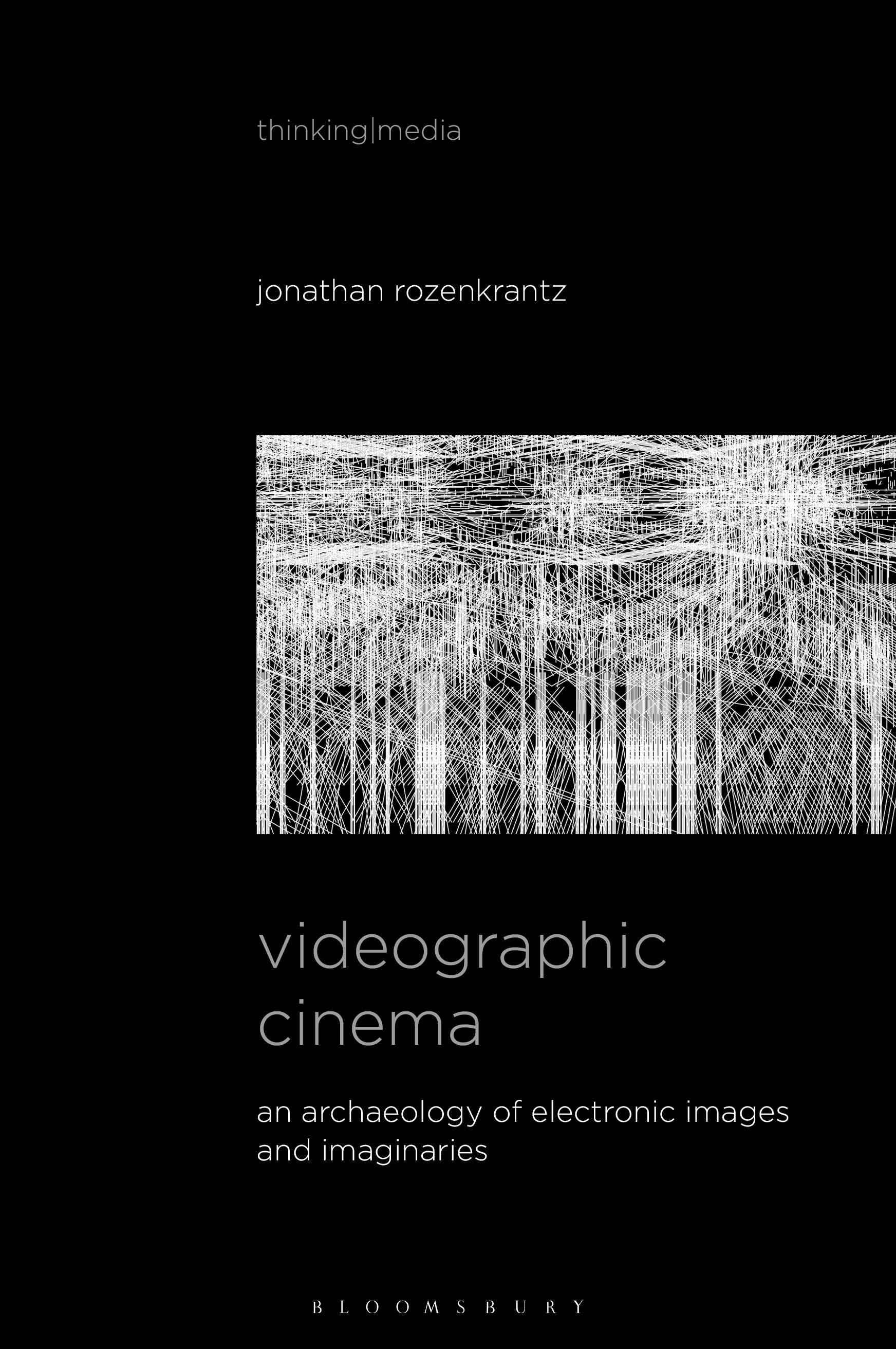
In 1957, A Face in the Crowd incorporated live video images to warn about the future of broadcast TV. In 2015, Kung Fury was infused with analogue noise to evoke the nostalgic feeling of watching an old VHS tape. Between the two films, numerous ones would incorporate video images to imagine the implications of video practices. Drawing on media archaeology, Videographic Cinema shows how such images and imaginaries have emerged, changed and remained over time according to their shifting technical, historical and institutional conditions.
Rediscovering forgotten films like Anti-Clock (1979) and reassessing ones like Lost Highway (1997), Jonathan Rozenkrantz charts neglected chapters of video history, including self-confrontation techniques in psychiatry, their complex relation with surveillance, and the invention/discovery of the “videographic psyche” by artists, therapists and filmmakers. Spanning six decades, Videographic Cinema discovers an epistemic shift from prospective imaginaries of surveillance and control conditioned on video as a medium for live transmission, to retrospective ones concerned with videotape as a recording memory. It ends by considering videographic filmmaking itself as a form of archaeology in the age of analogue obsolescence.
Rediscovering forgotten films like Anti-Clock (1979) and reassessing ones like Lost Highway (1997), Jonathan Rozenkrantz charts neglected chapters of video history, including self-confrontation techniques in psychiatry, their complex relation with surveillance, and the invention/discovery of the “videographic psyche” by artists, therapists and filmmakers. Spanning six decades, Videographic Cinema discovers an epistemic shift from prospective imaginaries of surveillance and control conditioned on video as a medium for live transmission, to retrospective ones concerned with videotape as a recording memory. It ends by considering videographic filmmaking itself as a form of archaeology in the age of analogue obsolescence.
Pagine: 232
Categoria: Film- & Medievetenskap
e-ISBN: 9781501362415
Peso di spedizione: 1.2 kg
Spedito in: 1-2 giorni
Paga facilmente con carta, Klarna, Apple Pay o Google Pay. Non sei soddisfatto? Hai sempre 14 giorni per il rimborso. Leggi di più nei nostri termini. Per qualsiasi domanda, scrivici a hello@memmo.org.
Memmo rende lo studio più facile, ovunque tu sia nel mondo. Qui trovi i tuoi libri di testo e strumenti di studio intelligenti, tutto in un unico posto: riassunti, quiz, podcast e flashcard. E poi c'è Ted, il tuo compagno di studio che risponde a ogni tua domanda. Oltre 50.000 studenti studiano già qui: è stato creato per aiutarti a imparare più velocemente e a stressarti meno.