
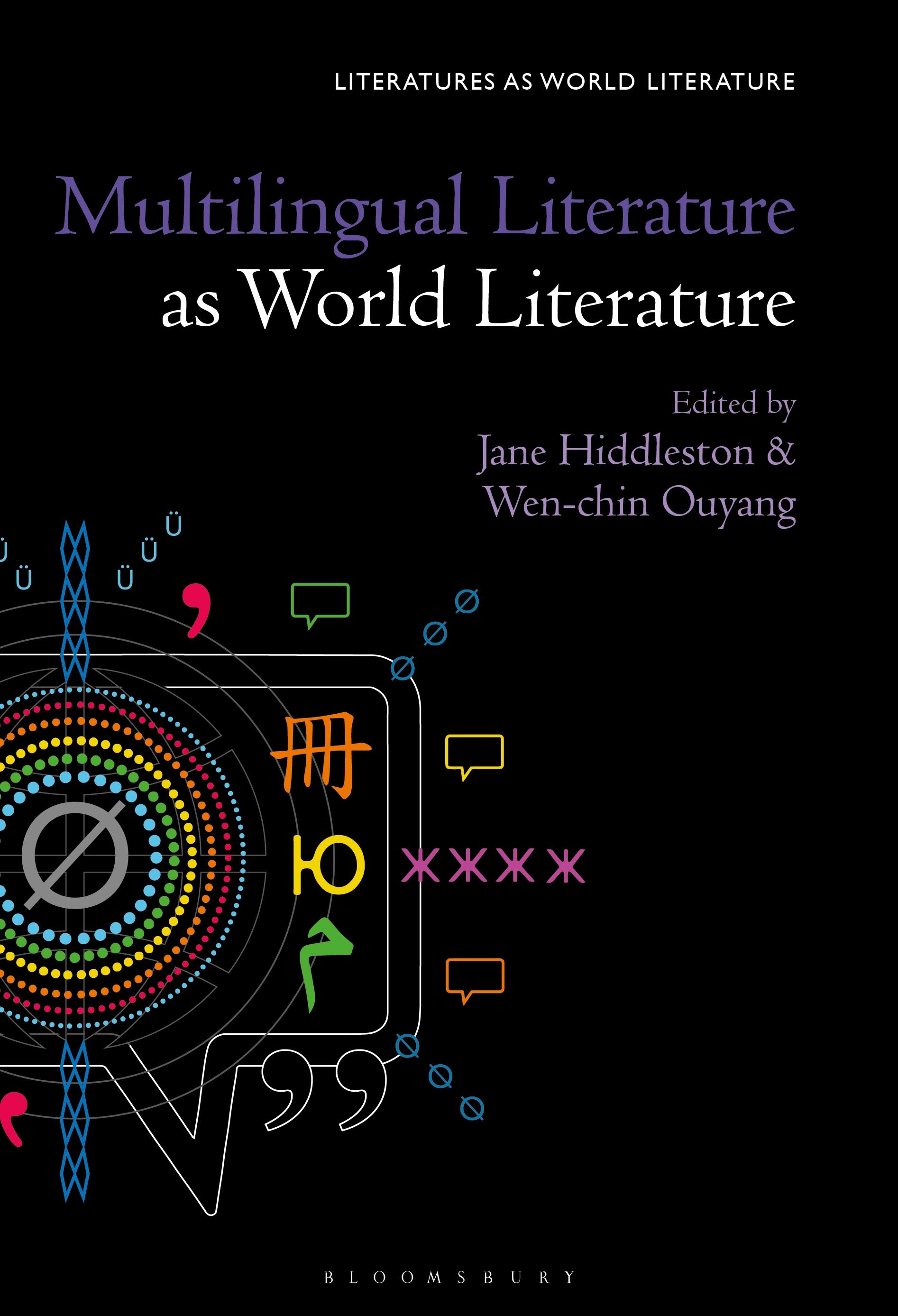
Multilingual Literature as World Literature examines and adjusts current theories and practices of world literature, particularly the conceptions of world, global and local, reflecting on the ways that multilingualism opens up the borders of language, nation and genre, and makes visible different modes of circulation across languages, nations, media and cultures.
The contributors to Multilingual Literature as World Literature examine four major areas of critical research. First, by looking at how engaging with multilingualism as a mode of reading makes visible the multiple pathways of circulation, including as aesthetics or poetics emerging in the literary world when languages come into contact with each other. Second, by exploring how politics and ethics contribute to shaping multilingual texts at a particular time and place, with a focus on the local as a site for the interrogation of global concerns and a call for diversity. Third, by engaging with translation and untranslatability in order to consider the ways in which ideas and concepts elude capture in one language but must be read comparatively across multiple languages. And finally, by proposing a new vision for linguistic creativity beyond the binary structure of monolingualism versus multilingualism.
The contributors to Multilingual Literature as World Literature examine four major areas of critical research. First, by looking at how engaging with multilingualism as a mode of reading makes visible the multiple pathways of circulation, including as aesthetics or poetics emerging in the literary world when languages come into contact with each other. Second, by exploring how politics and ethics contribute to shaping multilingual texts at a particular time and place, with a focus on the local as a site for the interrogation of global concerns and a call for diversity. Third, by engaging with translation and untranslatability in order to consider the ways in which ideas and concepts elude capture in one language but must be read comparatively across multiple languages. And finally, by proposing a new vision for linguistic creativity beyond the binary structure of monolingualism versus multilingualism.
Paga facilmente con carta, Klarna, Apple Pay o Google Pay. Non sei soddisfatto? Hai sempre 14 giorni per il rimborso. Leggi di più nei nostri termini. Per qualsiasi domanda, scrivici a hello@memmo.org.
Memmo rende lo studio più facile, ovunque tu sia nel mondo. Qui trovi i tuoi libri di testo e strumenti di studio intelligenti, tutto in un unico posto: riassunti, quiz, podcast e flashcard. E poi c'è Ted, il tuo compagno di studio che risponde a ogni tua domanda. Oltre 50.000 studenti studiano già qui: è stato creato per aiutarti a imparare più velocemente e a stressarti meno.