
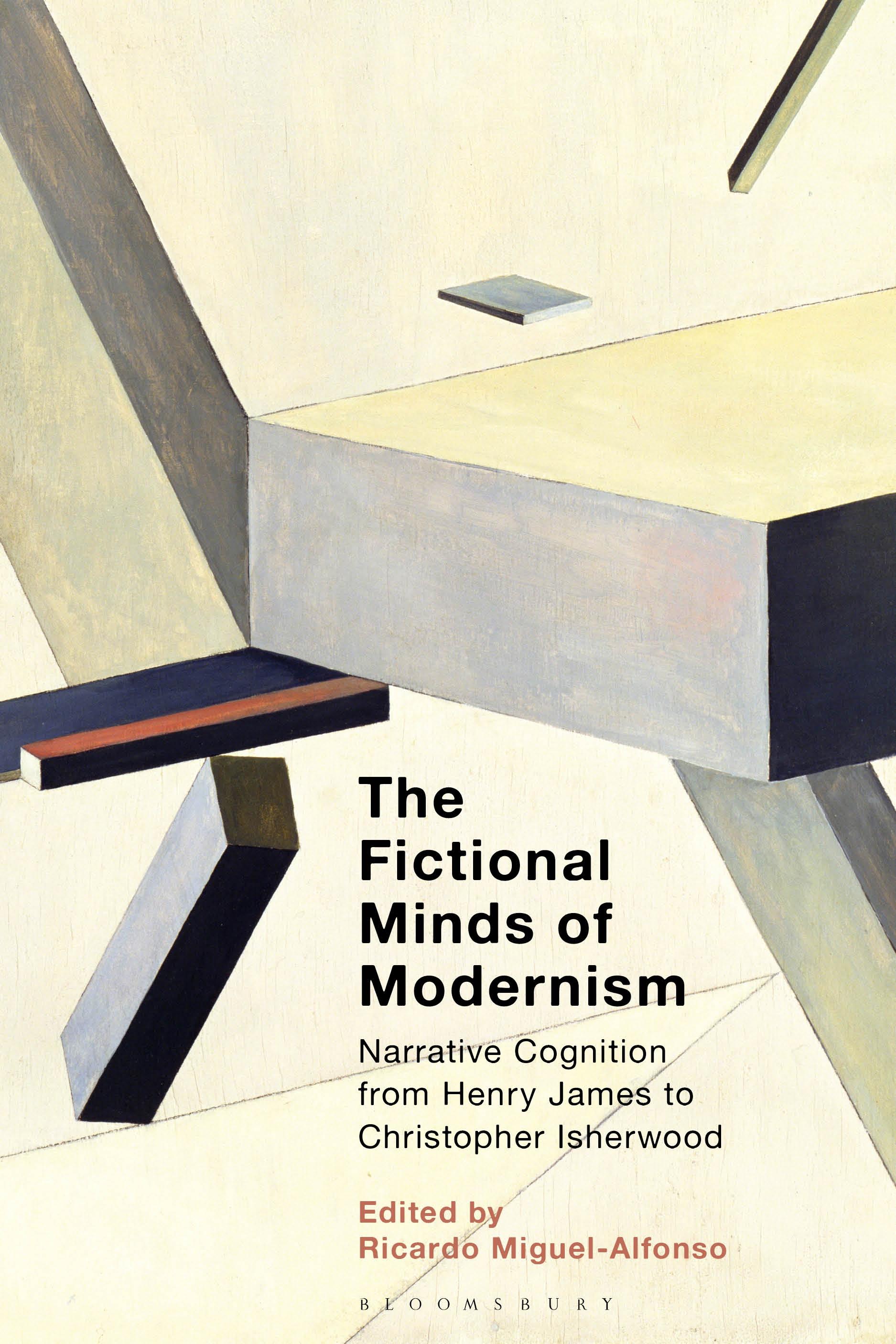
Challenging the notion that modernism is marked by an “inward turn” – a configuration of the individual as distinct from the world – this collection delineates the relationship between the mind and material and social systems, rethinking our understanding of modernism's representation of cognitive and affective processes.
Through analysis of a variety of international novels, short stories, and films – all published roughly between 1890 and 1945 – the contributors to this collection demonstrate that the so-called “inward turn” of modernist narratives in fact reflects the necessary interaction between mind, self, and world that constitutes knowledge, and therefore precludes any radical split between these categories. The essays examine the cognitive value of modernist narrative, showing how the perception of objects and of other people is a relational activity that requires an awareness of the constant flux of reality. The Fictional Minds of Modernism explores how modernist narratives offer insights into the real, historical world not as a mere object of contemplation but as an object of knowledge, thus bridging the gap between classical narratology and modernist experimentation.
Through analysis of a variety of international novels, short stories, and films – all published roughly between 1890 and 1945 – the contributors to this collection demonstrate that the so-called “inward turn” of modernist narratives in fact reflects the necessary interaction between mind, self, and world that constitutes knowledge, and therefore precludes any radical split between these categories. The essays examine the cognitive value of modernist narrative, showing how the perception of objects and of other people is a relational activity that requires an awareness of the constant flux of reality. The Fictional Minds of Modernism explores how modernist narratives offer insights into the real, historical world not as a mere object of contemplation but as an object of knowledge, thus bridging the gap between classical narratology and modernist experimentation.
Paga facilmente con carta, Klarna, Apple Pay o Google Pay. Non sei soddisfatto? Hai sempre 14 giorni per il rimborso. Leggi di più nei nostri termini. Per qualsiasi domanda, scrivici a hello@memmo.org.
Memmo rende lo studio più facile, ovunque tu sia nel mondo. Qui trovi i tuoi libri di testo e strumenti di studio intelligenti, tutto in un unico posto: riassunti, quiz, podcast e flashcard. E poi c'è Ted, il tuo compagno di studio che risponde a ogni tua domanda. Oltre 50.000 studenti studiano già qui: è stato creato per aiutarti a imparare più velocemente e a stressarti meno.