
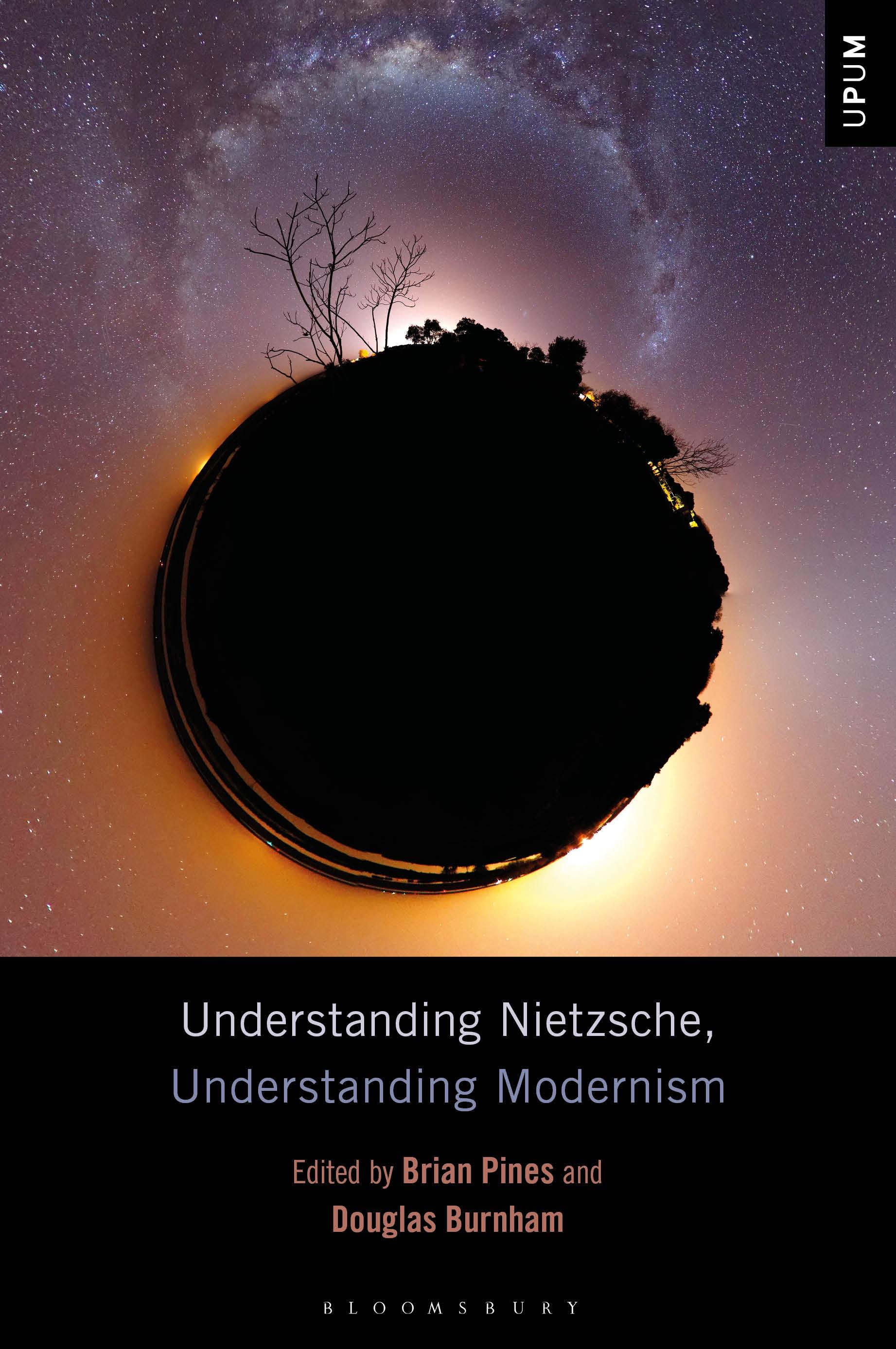
Friedrich Nietzsche believed his own work represented the dawning of a new historical era, and, despite the fact that he lived most of his sane life suffering in obscurity, it is not an exaggeration to say that his vision helped lay the foundations for modernism in style, substance and attitude. Nietzsche was himself devoted to the modern, for he reinterpreted every philosophy, every historical figure and event, every movement that came before him. This reconceptualization of the past through new, modern eyes opened up Nietzsche's thinking to exploring daring possibilities for the future. This prophetic boldness, which is so unique to his style, seduced the modernist generation across the spectrum. He was read by early Zionists as well as by Nazi racial theorists; by Thomas Mann and as well as by Salvador Dali. His influence stretched from psychoanalysis to anarchist politics.
Understanding Nietzsche, Understanding Modernism traces the effect of Nietzsche's thinking upon a diverse set of problems: from ontology, to politics, to musical and literary aesthetics. The first section of the volume is a series of essays, each exploring a major work of Nietzsche's, explaining its significance while contributing new interpretations of the text. The middle portion connects Nietzsche's thought to the various strands of modernism in which it reveals itself. The final section is a glossary of key terms that Nietzsche uses throughout his works. An excellent resource for any scholar attempting to conceptualize the foundations of modernism or the historical importance of Nietzsche, this volume seeks to outline the philosopher's works and their reception amongst the generations that immediately followed his passing.
Understanding Nietzsche, Understanding Modernism traces the effect of Nietzsche's thinking upon a diverse set of problems: from ontology, to politics, to musical and literary aesthetics. The first section of the volume is a series of essays, each exploring a major work of Nietzsche's, explaining its significance while contributing new interpretations of the text. The middle portion connects Nietzsche's thought to the various strands of modernism in which it reveals itself. The final section is a glossary of key terms that Nietzsche uses throughout his works. An excellent resource for any scholar attempting to conceptualize the foundations of modernism or the historical importance of Nietzsche, this volume seeks to outline the philosopher's works and their reception amongst the generations that immediately followed his passing.
Paga facilmente con carta, Klarna, Apple Pay o Google Pay. Non sei soddisfatto? Hai sempre 14 giorni per il rimborso. Leggi di più nei nostri termini. Per qualsiasi domanda, scrivici a hello@memmo.org.
Memmo rende lo studio più facile, ovunque tu sia nel mondo. Qui trovi i tuoi libri di testo e strumenti di studio intelligenti, tutto in un unico posto: riassunti, quiz, podcast e flashcard. E poi c'è Ted, il tuo compagno di studio che risponde a ogni tua domanda. Oltre 50.000 studenti studiano già qui: è stato creato per aiutarti a imparare più velocemente e a stressarti meno.