
Named a Choice Outstanding Academic Title of the Year
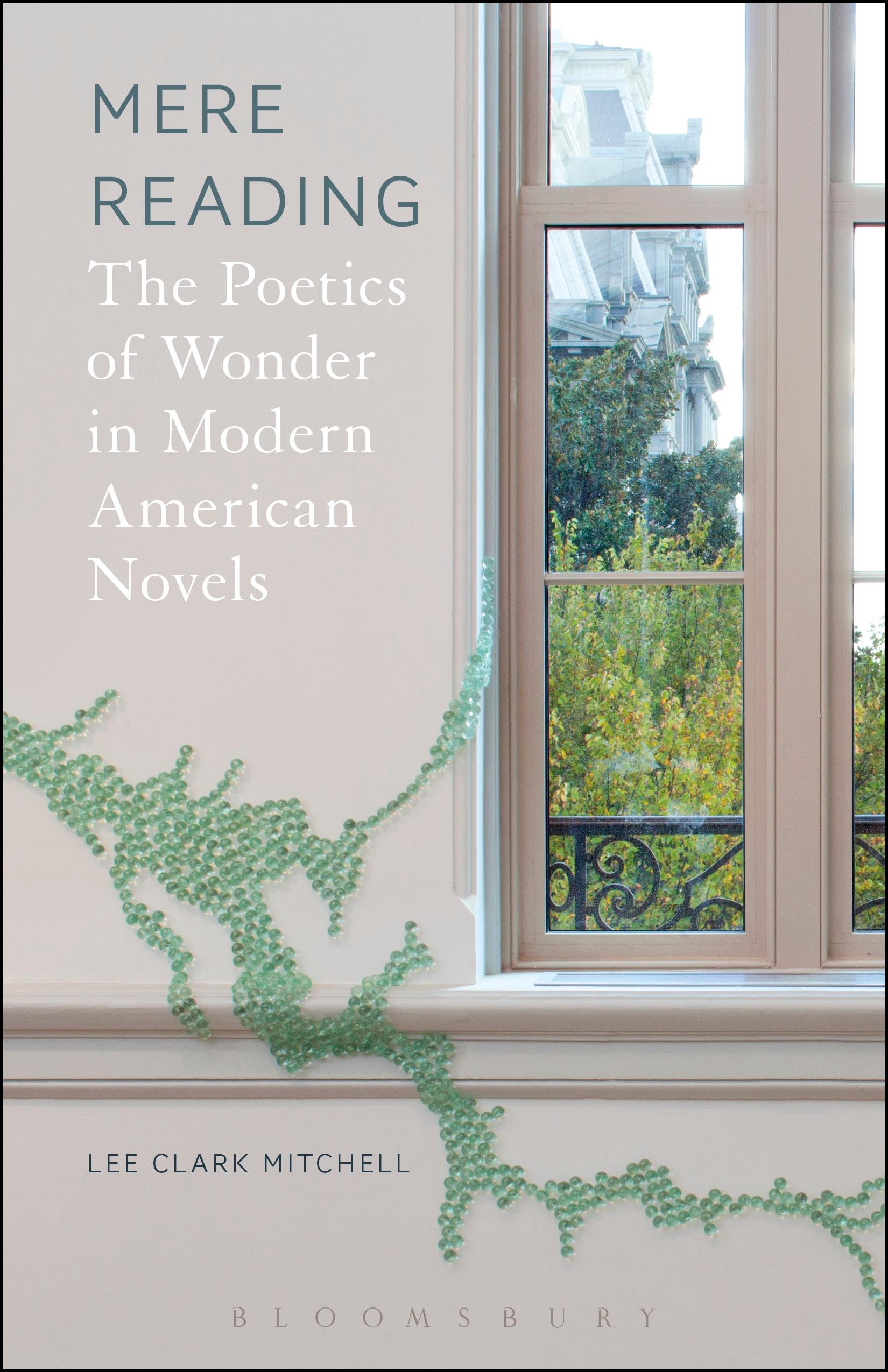
Mere Reading argues for a return to the foundations of literary study established nearly a century ago. Following a recent period dominated by symptomatic analyses of fictional texts (new historicist, Marxist, feminist, identity-political), Lee Clark Mitchell joins a burgeoning neo-formalist movement in challenging readers to embrace a rationale for literary criticism that has too long been ignored-a neglect that corresponds, perhaps not coincidentally, to a flight from literature courses themselves.
In close readings of six American novels spread over the past century-Willa Cather's The Professor's House, Vladimir Nabokov's Lolita, Marilynne Robinson's Housekeeping, Cormac McCarthy's Blood Meridian and The Road, and Junot Díaz's The Brief Wondrous Life of Oscar Wao-Mitchell traces a shifting strain of late modernist innovation that celebrates a species of magic and wonder, of aesthetic “bliss” (as Barthes and Nabokov both coincidentally described the experience) that dumbfounds the reader and compels a reassessment of interpretive assumptions. The novels included here aspire to being read slowly, so that sounds, rhythms, repetitions, rhymes, and other verbal features take on a heightened poetic status-in critic Barbara Johnson's words, “the rigorous perversity and seductiveness of literary language”-thwarting pressures of plot that otherwise push us ineluctably forward.
In each chapter, the return to “mere reading” becomes paradoxically a gesture that honors the intractability of fictional texts, their sheer irresolution, indeed the way in which their “literary” status rests on the play of irreconcilables that emerges from the verbal tensions we find ourselves first astonished by, then delighting in.
Mere Reading argues for a return to the foundations of literary study established nearly a century ago. Following a recent period dominated by symptomatic analyses of fictional texts (new historicist, Marxist, feminist, identity-political), Lee Clark Mitchell joins a burgeoning neo-formalist movement in challenging readers to embrace a rationale for literary criticism that has too long been ignored-a neglect that corresponds, perhaps not coincidentally, to a flight from literature courses themselves.
In close readings of six American novels spread over the past century-Willa Cather's The Professor's House, Vladimir Nabokov's Lolita, Marilynne Robinson's Housekeeping, Cormac McCarthy's Blood Meridian and The Road, and Junot Díaz's The Brief Wondrous Life of Oscar Wao-Mitchell traces a shifting strain of late modernist innovation that celebrates a species of magic and wonder, of aesthetic “bliss” (as Barthes and Nabokov both coincidentally described the experience) that dumbfounds the reader and compels a reassessment of interpretive assumptions. The novels included here aspire to being read slowly, so that sounds, rhythms, repetitions, rhymes, and other verbal features take on a heightened poetic status-in critic Barbara Johnson's words, “the rigorous perversity and seductiveness of literary language”-thwarting pressures of plot that otherwise push us ineluctably forward.
In each chapter, the return to “mere reading” becomes paradoxically a gesture that honors the intractability of fictional texts, their sheer irresolution, indeed the way in which their “literary” status rests on the play of irreconcilables that emerges from the verbal tensions we find ourselves first astonished by, then delighting in.
Pagine: 240
Categoria: Litteraturvetenskap & Teori
e-ISBN: 9781501329678
Peso di spedizione: 1.2 kg
Spedito in: 1-2 giorni
Paga facilmente con carta, Klarna, Apple Pay o Google Pay. Non sei soddisfatto? Hai sempre 14 giorni per il rimborso. Leggi di più nei nostri termini. Per qualsiasi domanda, scrivici a hello@memmo.org.
Memmo rende lo studio più facile, ovunque tu sia nel mondo. Qui trovi i tuoi libri di testo e strumenti di studio intelligenti, tutto in un unico posto: riassunti, quiz, podcast e flashcard. E poi c'è Ted, il tuo compagno di studio che risponde a ogni tua domanda. Oltre 50.000 studenti studiano già qui: è stato creato per aiutarti a imparare più velocemente e a stressarti meno.