
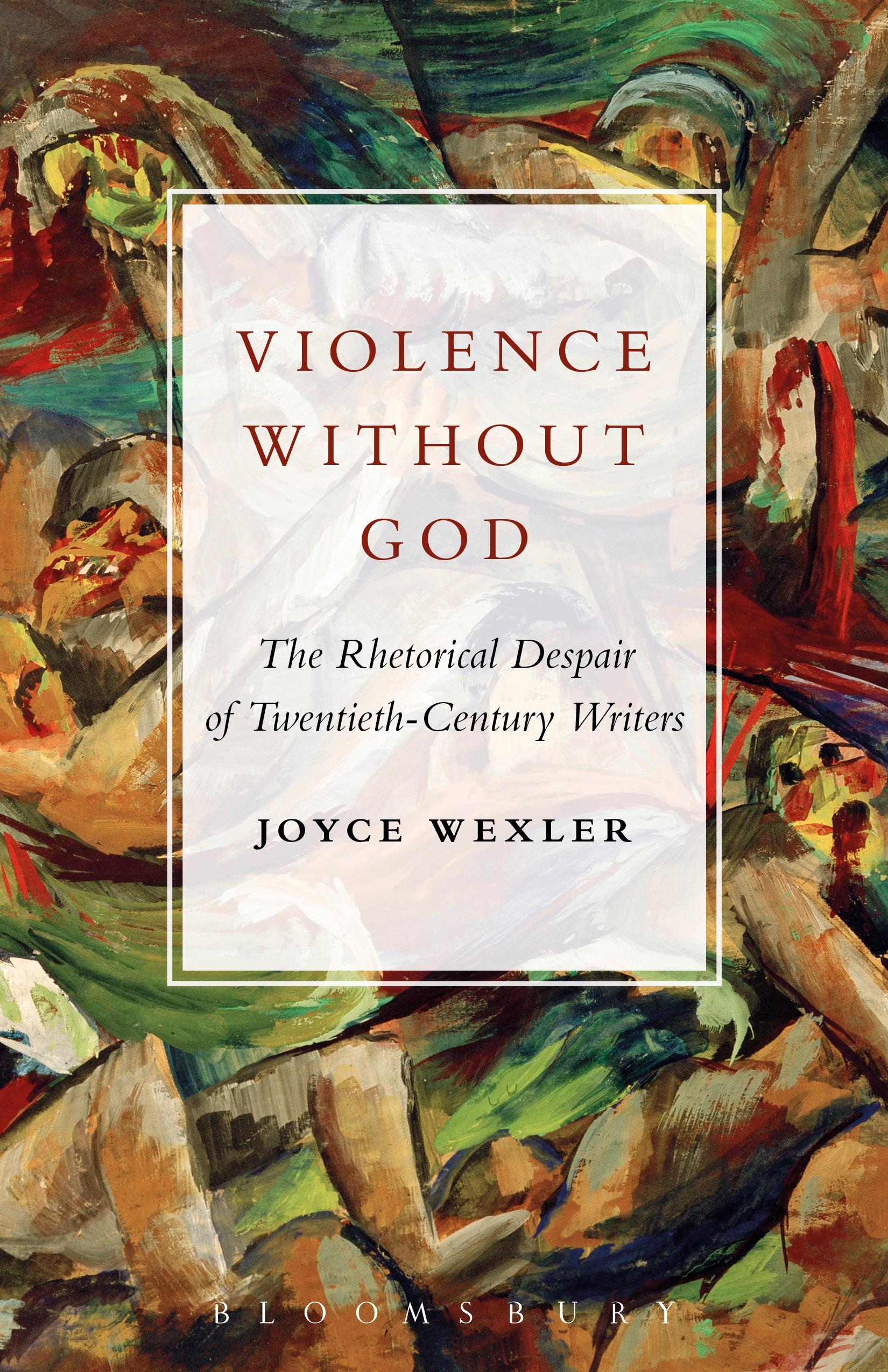
As twentieth-century writers confronted the political violence of their time, they were overcome by rhetorical despair. Unspeakable acts left writers speechless. They knew that the atrocities of the century had to be recorded, but how? A dead body does not explain itself, and the narrative of the suicide bomber is not the story of the child killed in the blast. In the past, communal beliefs had justified or condemned the most horrific acts, but the late nineteenth-century crisis of belief made it more difficult to come to terms with the meaning of violence.
In this major new study, Joyce Wexler argues that this situation produced an aesthetic dilemma that writers solved by inventing new forms. Although Symbolism, Expressionism, Modernism, Magic Realism, and Postmodernism have been criticized for turning away from public events, these forms allowed writers to represent violence without imposing a specific meaning on events or claiming to explain them. Wexler's investigation of the way we think and write about violence takes her across national and period boundaries and into the work of some of the greatest writers of the century, among them Joseph Conrad, T. S. Eliot, D. H. Lawrence, James Joyce, Alfred Döblin, Günter Grass, Gabriel García Márquez, Salman Rushdie, and W. G. Sebald.
In this major new study, Joyce Wexler argues that this situation produced an aesthetic dilemma that writers solved by inventing new forms. Although Symbolism, Expressionism, Modernism, Magic Realism, and Postmodernism have been criticized for turning away from public events, these forms allowed writers to represent violence without imposing a specific meaning on events or claiming to explain them. Wexler's investigation of the way we think and write about violence takes her across national and period boundaries and into the work of some of the greatest writers of the century, among them Joseph Conrad, T. S. Eliot, D. H. Lawrence, James Joyce, Alfred Döblin, Günter Grass, Gabriel García Márquez, Salman Rushdie, and W. G. Sebald.
Pagine: 176
Categoria: Litteraturvetenskap & Teori
e-ISBN: 9781501325311
Peso di spedizione: 1.2 kg
Spedito in: 1-2 giorni
Paga facilmente con carta, Klarna, Apple Pay o Google Pay. Non sei soddisfatto? Hai sempre 14 giorni per il rimborso. Leggi di più nei nostri termini. Per qualsiasi domanda, scrivici a hello@memmo.org.
Memmo rende lo studio più facile, ovunque tu sia nel mondo. Qui trovi i tuoi libri di testo e strumenti di studio intelligenti, tutto in un unico posto: riassunti, quiz, podcast e flashcard. E poi c'è Ted, il tuo compagno di studio che risponde a ogni tua domanda. Oltre 50.000 studenti studiano già qui: è stato creato per aiutarti a imparare più velocemente e a stressarti meno.