
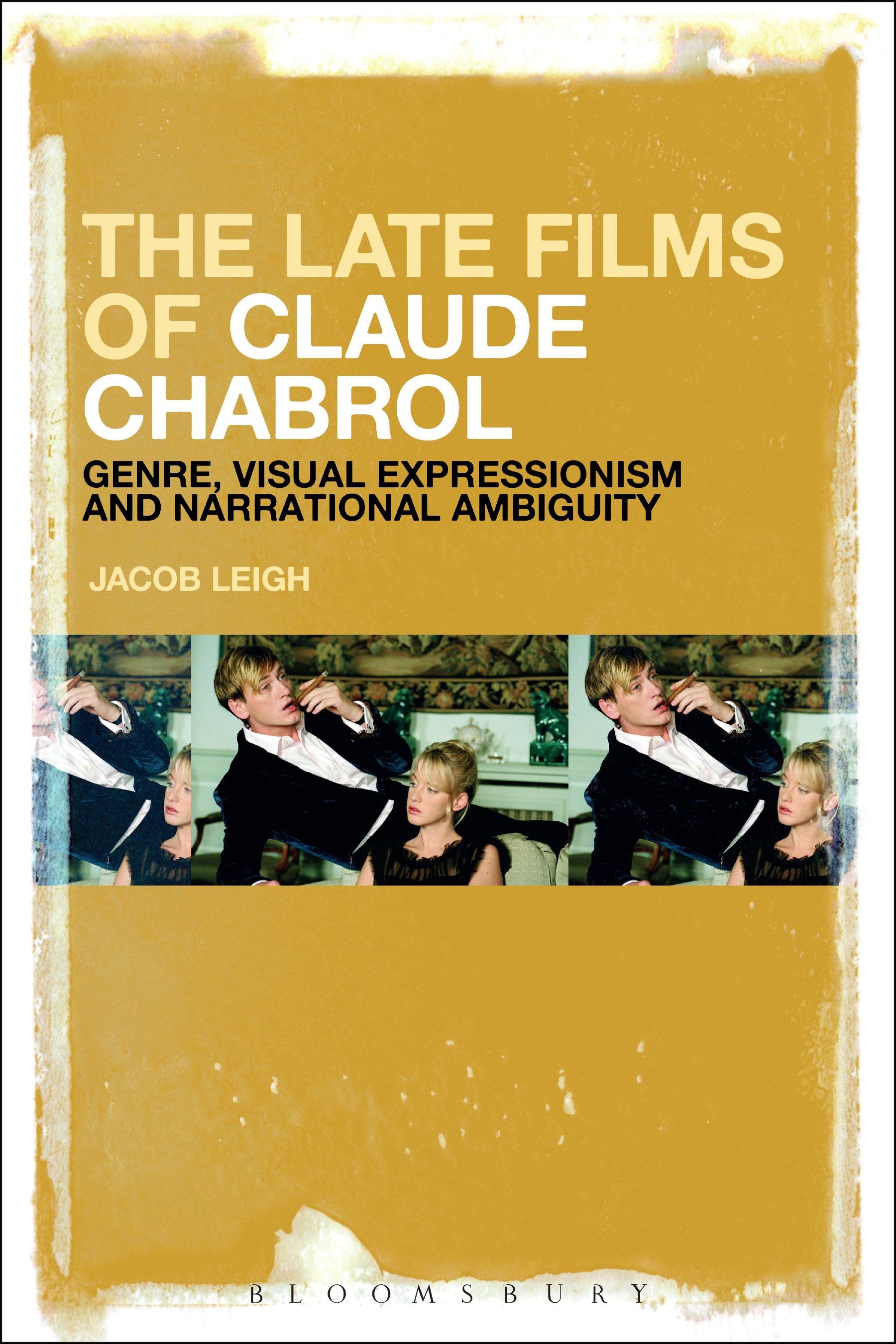
A member of the French New Wave group of filmmakers who first came to prominence at the end of the 1950s, Claude Chabrol has received the least amount of critical and scholarly attention, although he was the more prolific and commercially successful of them all. Jacob Leigh fills this lacuna by focusing on the last nine feature films of Chabrol's career, exploring his imagery, camerawork, use of sound and music, and performances, revealing the stylistic characteristics of his films while identifying the fundamental thematic issues that lie at the heart of his career-length exploration of the relationship between individuals and societies.
Key areas of focus includes Chabrol's careful depiction of upper-class settings in films such as La Cérémonie (1995), Merci pour le chocolat (2000) and La Fille coupée en deux (2007) and on what Robin Wood and Michael Walker call 'the beast in man' (1970), the quasi-sympathetic 'id-figures' of which Le Boucher's Popaul is the most celebrated. Chabrol's 'id-figures' inherit the traits of Shadow of a Doubt's Uncle Charlie, Rope's Brandon and Strangers on a Train's Bruno, all three of whom have characteristics of the Nietzsche-quoting psychopath familiar in crime fiction. Additionally, The Late Films of Claude Chabrol considers the influence on Chabrol of a range of significant writers, including Patrick Hamilton, Patricia Highsmith, Charlotte Armstrong and Ruth Rendell.
Key areas of focus includes Chabrol's careful depiction of upper-class settings in films such as La Cérémonie (1995), Merci pour le chocolat (2000) and La Fille coupée en deux (2007) and on what Robin Wood and Michael Walker call 'the beast in man' (1970), the quasi-sympathetic 'id-figures' of which Le Boucher's Popaul is the most celebrated. Chabrol's 'id-figures' inherit the traits of Shadow of a Doubt's Uncle Charlie, Rope's Brandon and Strangers on a Train's Bruno, all three of whom have characteristics of the Nietzsche-quoting psychopath familiar in crime fiction. Additionally, The Late Films of Claude Chabrol considers the influence on Chabrol of a range of significant writers, including Patrick Hamilton, Patricia Highsmith, Charlotte Armstrong and Ruth Rendell.
Pagine: 208
Categoria: Film- & Medievetenskap
e-ISBN: 9781501312519
Peso di spedizione: 1.2 kg
Spedito in: 1-2 giorni
Paga facilmente con carta, Klarna, Apple Pay o Google Pay. Non sei soddisfatto? Hai sempre 14 giorni per il rimborso. Leggi di più nei nostri termini. Per qualsiasi domanda, scrivici a hello@memmo.org.
Memmo rende lo studio più facile, ovunque tu sia nel mondo. Qui trovi i tuoi libri di testo e strumenti di studio intelligenti, tutto in un unico posto: riassunti, quiz, podcast e flashcard. E poi c'è Ted, il tuo compagno di studio che risponde a ogni tua domanda. Oltre 50.000 studenti studiano già qui: è stato creato per aiutarti a imparare più velocemente e a stressarti meno.