
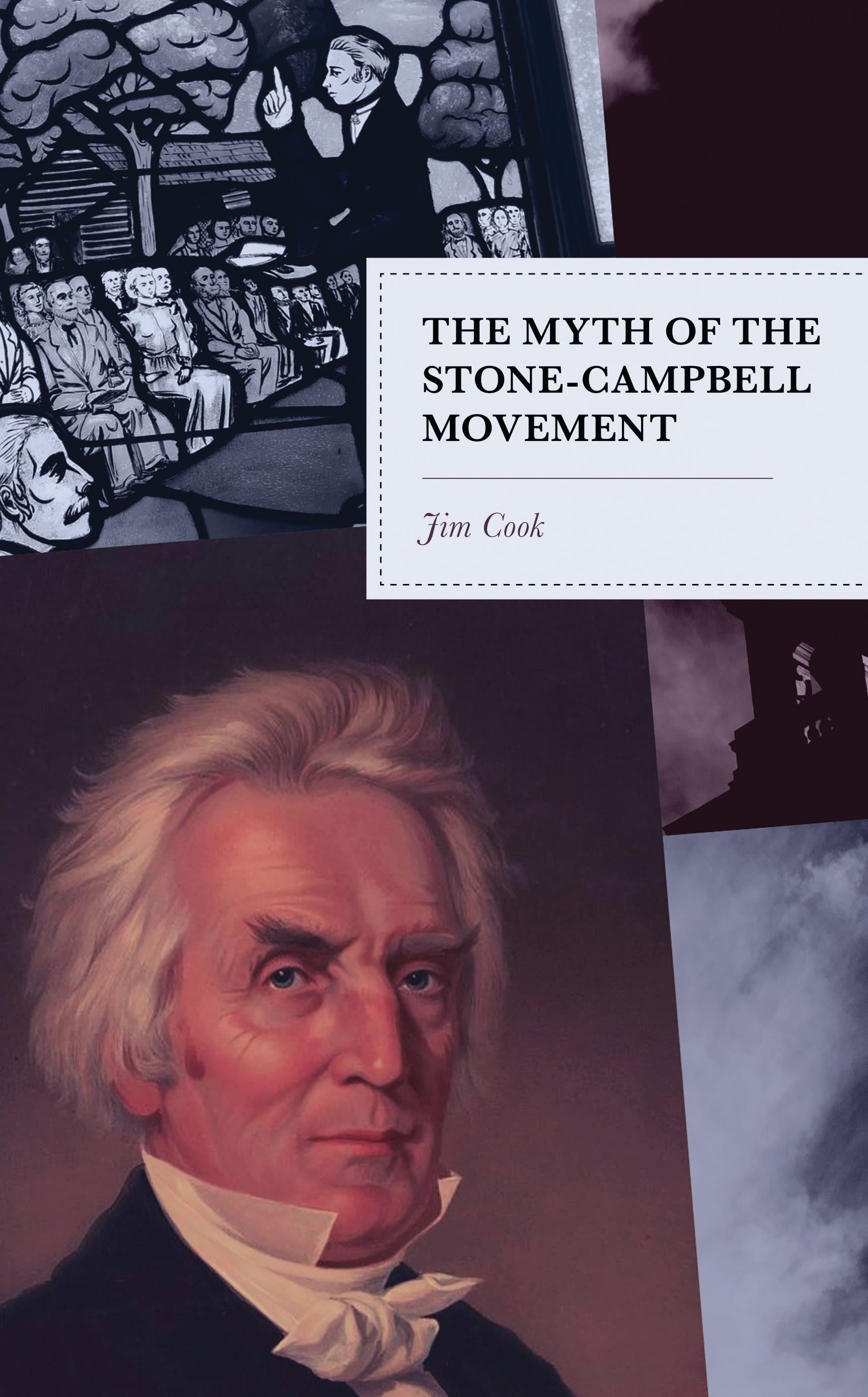
The Stone-Campbell Movement was created in 1832 when Barton Stone’s “Christ-ians” from the West merged with Alexander Campbell’s “Reforming Baptists.” By the beginning of the Civil War it was the sixth largest religious movement in the United States, and in the twentieth century the movement split into the three main branches that exist today. In recent years, scholars from these branches have worked to better understand their nineteenth-century roots, creating the historical sub-field “restoration history” in which historians and other scholars debate the influence of Stone and Campbell on specific characteristics of the existing branches.
Bringing new insight into that debate, Jim Cook uses the writings of both Stone and Campbell to show that Stone was not a viable leader of the movement after 1832 and that his ideas were not part of what influenced the twentieth-century branches of the movement. This study demonstrates that the debates going on between “restoration historians” are thus predicated on the false assumption that Stone influenced people within his movements and proves that Stone was an outsider in the movement that bears his name.
Bringing new insight into that debate, Jim Cook uses the writings of both Stone and Campbell to show that Stone was not a viable leader of the movement after 1832 and that his ideas were not part of what influenced the twentieth-century branches of the movement. This study demonstrates that the debates going on between “restoration historians” are thus predicated on the false assumption that Stone influenced people within his movements and proves that Stone was an outsider in the movement that bears his name.
Paga facilmente con carta, Klarna, Apple Pay o Google Pay. Non sei soddisfatto? Hai sempre 14 giorni per il rimborso. Leggi di più nei nostri termini. Per qualsiasi domanda, scrivici a hello@memmo.org.
Memmo rende lo studio più facile, ovunque tu sia nel mondo. Qui trovi i tuoi libri di testo e strumenti di studio intelligenti, tutto in un unico posto: riassunti, quiz, podcast e flashcard. E poi c'è Ted, il tuo compagno di studio che risponde a ogni tua domanda. Oltre 50.000 studenti studiano già qui: è stato creato per aiutarti a imparare più velocemente e a stressarti meno.