
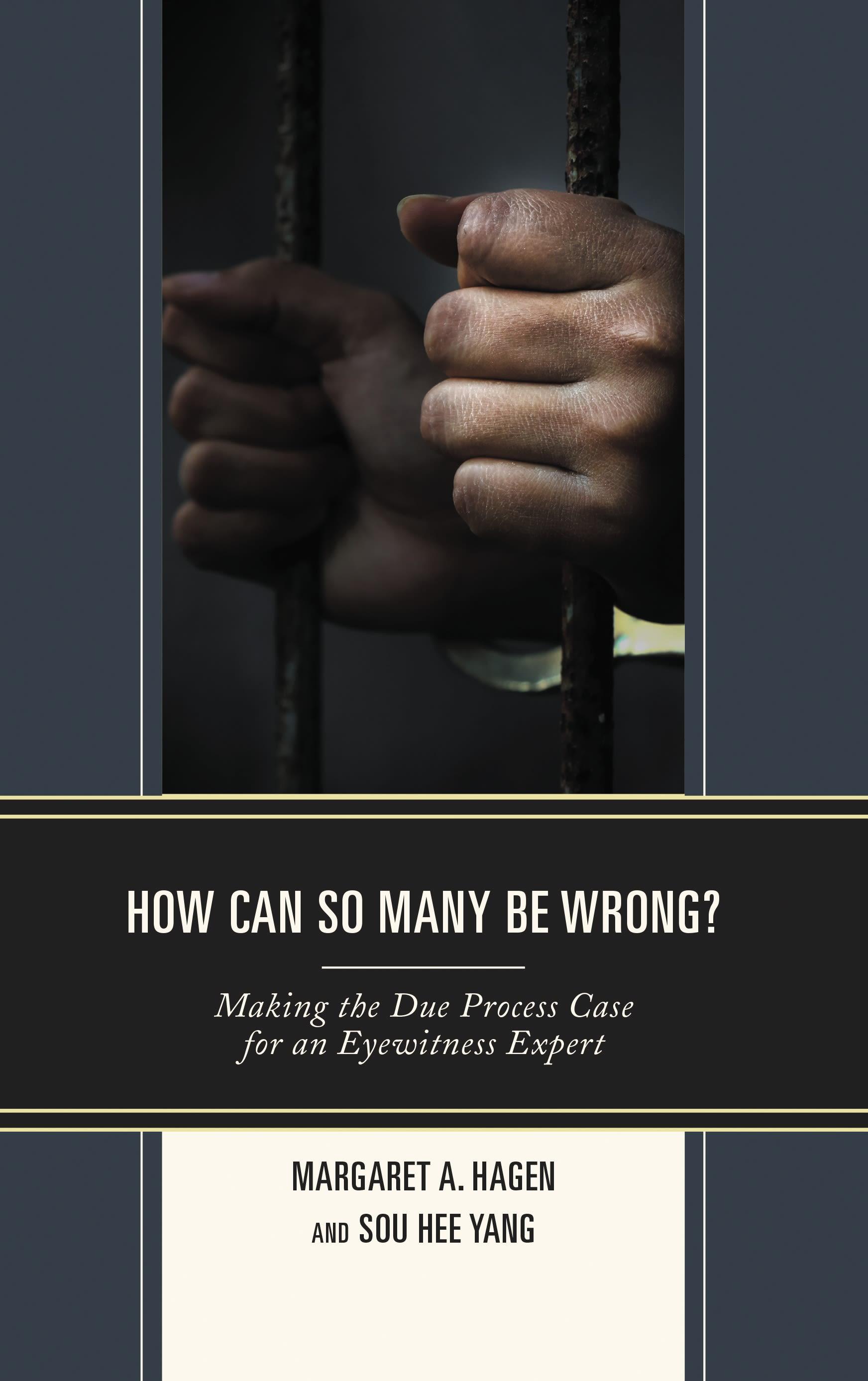
Of the 347 U.S. false criminal convictions overturned so far through DNA testing, 73 percent were based on erroneous eyewitness testimony. How could so many eyewitnesses be wrong? This book answers this question. The analysis of the U.S. Supreme Court eyewitness cases shows that most of the Court’s holdings were likely in error. The Court—like the judges and juries in the courts below—greatly overestimated the reliability of eyewitnesses against the defendants and decided their convictions based on unsound evidence. The facts of the cases and personalities of the defendants are engaging and compelling. An expert is needed to inform the judge and the jury of the circumstances to consider when weighing the testimony of the witness against the facts of the case. It is a clear violation of Due Process to deny the defendant the provision of an expert witness in all cases where the eyewitness testimony lacks corroboration. Research assessing both cross-examination and jury instructions makes it abundantly clear that neither can effectively provide courts with the counterintuitive information necessary to evaluate eyewitness reliability: denial of an expert is denial of Due Process.
Paga facilmente con carta, Klarna, Apple Pay o Google Pay. Non sei soddisfatto? Hai sempre 14 giorni per il rimborso. Leggi di più nei nostri termini. Per qualsiasi domanda, scrivici a hello@memmo.org.
Memmo rende lo studio più facile, ovunque tu sia nel mondo. Qui trovi i tuoi libri di testo e strumenti di studio intelligenti, tutto in un unico posto: riassunti, quiz, podcast e flashcard. E poi c'è Ted, il tuo compagno di studio che risponde a ogni tua domanda. Oltre 50.000 studenti studiano già qui: è stato creato per aiutarti a imparare più velocemente e a stressarti meno.