
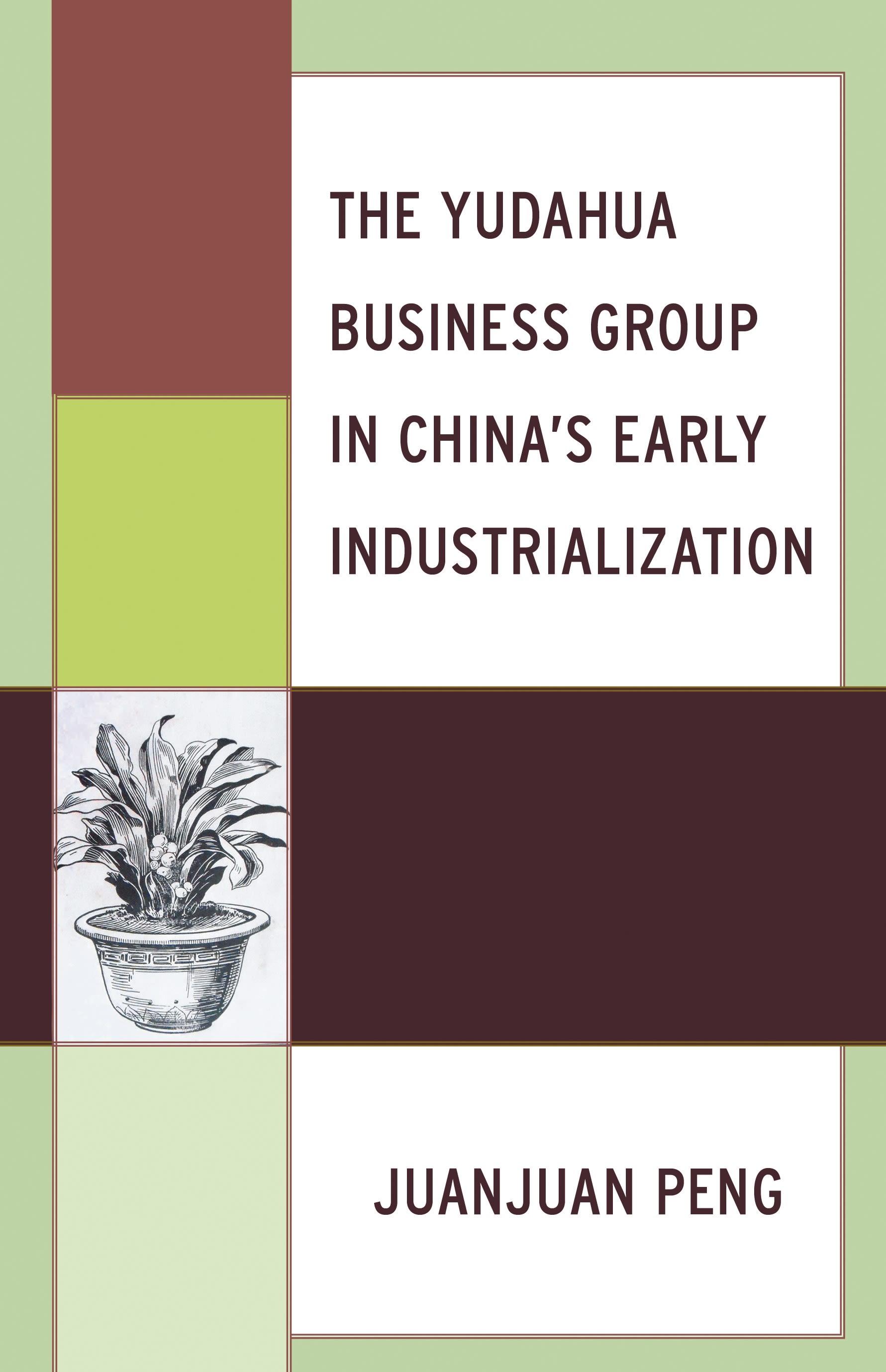
By tracing the history of Yudahua from the late nineteenth century to the middle of the twentieth century, this study analyzes a successful inland business model among textile companies in modern China. The steady growth of this enterprise relied primarily on its strategy to focus on low-end markets and to locate new mills in underdeveloped interior regions. This strategy further allowed the enterprise to pioneer industrialization in its host localities, demonstrating a major social and economic impact on the local societies. At the same time, Yudahua’s unique team leadership pattern—five leading families shared its ownership and management—made the business an atypical family firm and allowed relatively easy institutional departure from Chinese social networks and adoption of Western corporate hierarchy. Therefore, by the late 1940s, Yudahua had gradually developed into a fairly integrated business group with a unified management structure and routinized connections between its member mills, which differed noticeably from the loose alliances normally found in other early twentieth-century Chinese business conglomerates.
Paga facilmente con carta, Klarna, Apple Pay o Google Pay. Non sei soddisfatto? Hai sempre 14 giorni per il rimborso. Leggi di più nei nostri termini. Per qualsiasi domanda, scrivici a hello@memmo.org.
Memmo rende lo studio più facile, ovunque tu sia nel mondo. Qui trovi i tuoi libri di testo e strumenti di studio intelligenti, tutto in un unico posto: riassunti, quiz, podcast e flashcard. E poi c'è Ted, il tuo compagno di studio che risponde a ogni tua domanda. Oltre 50.000 studenti studiano già qui: è stato creato per aiutarti a imparare più velocemente e a stressarti meno.