
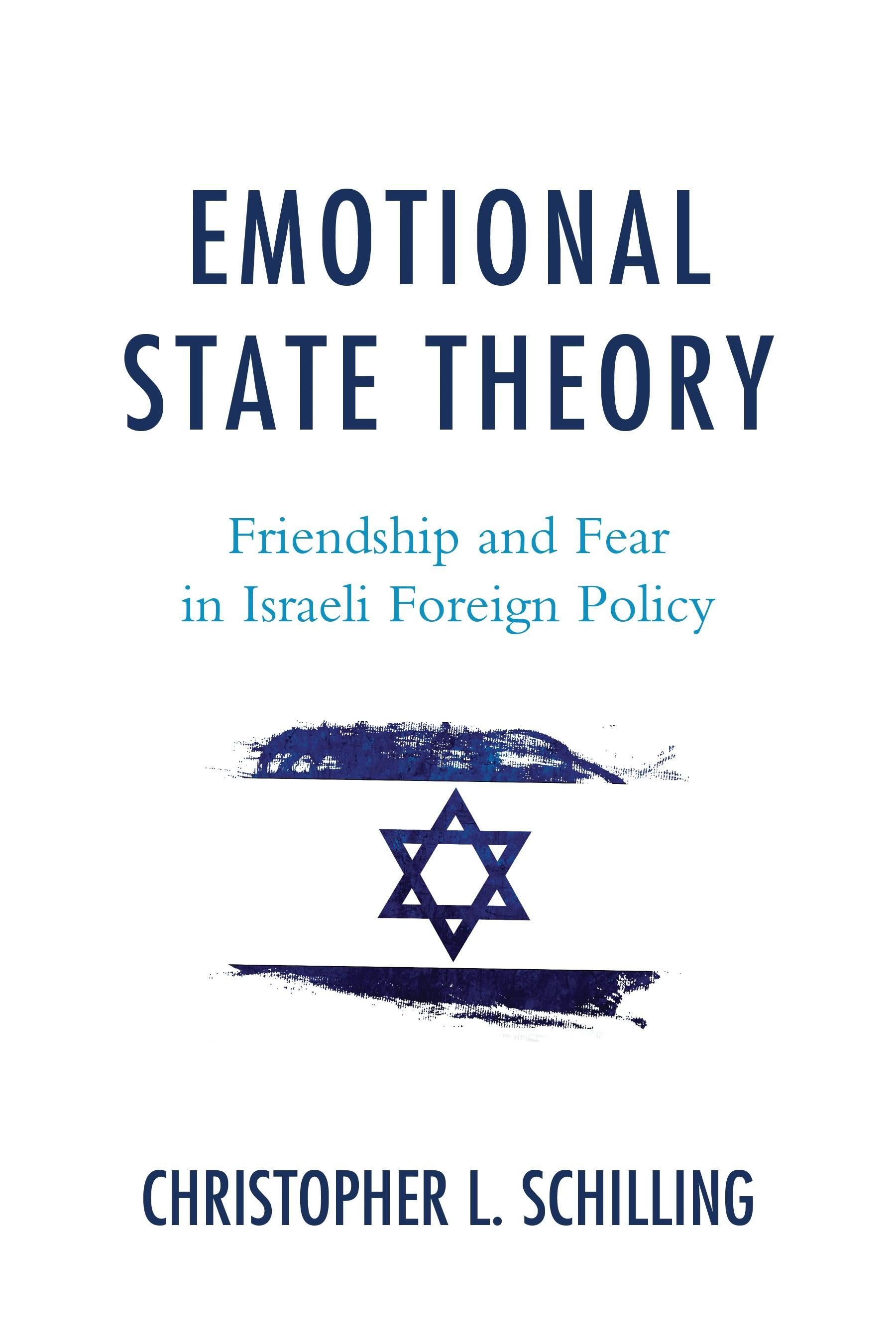
This book develops “emotional state theory” as a new contribution to international relations theory (IR). The text addresses the State of Israel vis-à-vis the rest of the world. The rationale for this research perspective stems from the trajectory of Israeli state-building since its foundation in May 1948 to the present date. This trajectory is constructed reflecting the trauma of the past and dreams about the future. Both contribute decisively to a better understanding of the current image and position of the state of Israel. The reference builds on two great Jewish thinkers’ works,Theodor Herzl and his book The Jewish State and Sigmund Freud's The Interpretation of Dreams.
The author argues that despite the fact that both never met, taken together their ideas lend themselves to shed light on and offer an explanation for Israel’s troubled and uncertain position in current international relations. The resulting question underlying this work on the emotionality of states and its impact on international relations is therefore “whether Israel is still in a process of dreaming” and whether it is therefore to be understood a “state which has not yet woken from the trauma of the Jewish past. Not a dream’s fulfilment of an end of the Diaspora, but a nightmare based on this experience.” Drawing on these two parallel and rather influential texts, Schilling rephrases the leading questions of this book as this: “Has Israel developed an understanding of itself which sees the country as a modern state among the nations, which is dealing with its neighbors, or rather, does Israel understand itself more as being like a ghetto that is still surrounded by a hostile world? Has Israel become a strong, self-confident country, or has it continued with the nervousness of the Diaspora Jews to become a state with an emotional problem?”.
The author argues that despite the fact that both never met, taken together their ideas lend themselves to shed light on and offer an explanation for Israel’s troubled and uncertain position in current international relations. The resulting question underlying this work on the emotionality of states and its impact on international relations is therefore “whether Israel is still in a process of dreaming” and whether it is therefore to be understood a “state which has not yet woken from the trauma of the Jewish past. Not a dream’s fulfilment of an end of the Diaspora, but a nightmare based on this experience.” Drawing on these two parallel and rather influential texts, Schilling rephrases the leading questions of this book as this: “Has Israel developed an understanding of itself which sees the country as a modern state among the nations, which is dealing with its neighbors, or rather, does Israel understand itself more as being like a ghetto that is still surrounded by a hostile world? Has Israel become a strong, self-confident country, or has it continued with the nervousness of the Diaspora Jews to become a state with an emotional problem?”.
Pagine: 152
Categoria: Psykologi
e-ISBN: 9781498505857
Peso di spedizione: 1.2 kg
Spedito in: 1-2 giorni
Paga facilmente con carta, Klarna, Apple Pay o Google Pay. Non sei soddisfatto? Hai sempre 14 giorni per il rimborso. Leggi di più nei nostri termini. Per qualsiasi domanda, scrivici a hello@memmo.org.
Memmo rende lo studio più facile, ovunque tu sia nel mondo. Qui trovi i tuoi libri di testo e strumenti di studio intelligenti, tutto in un unico posto: riassunti, quiz, podcast e flashcard. E poi c'è Ted, il tuo compagno di studio che risponde a ogni tua domanda. Oltre 50.000 studenti studiano già qui: è stato creato per aiutarti a imparare più velocemente e a stressarti meno.