
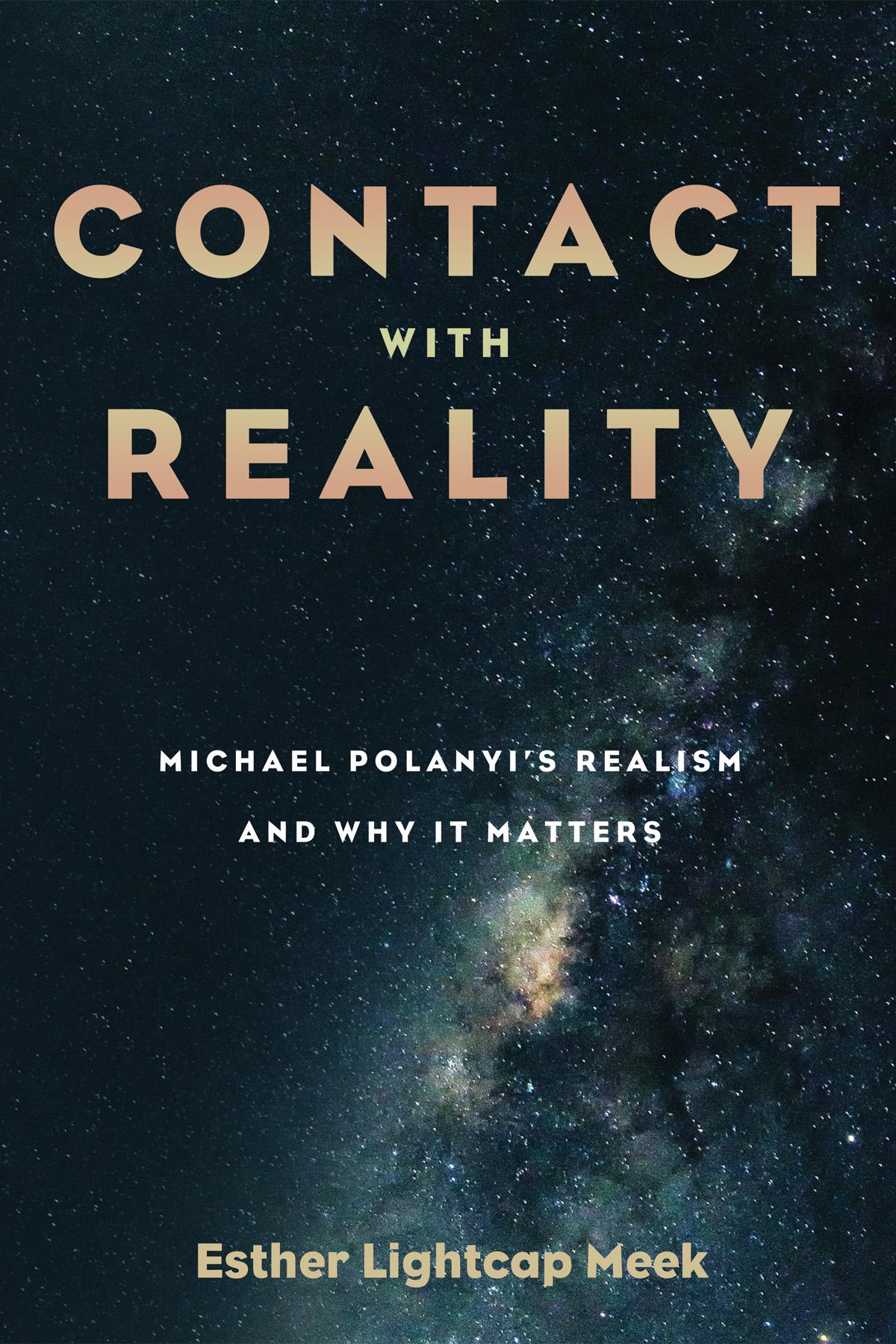
Is knowledge discovered, or just invented? Can we ever get outside ourselves to know how reality is in itself, independent of us? Philosophical realism raises the question whether in our knowing we connect with an independent reality--or only connect with our own mental constructs. Far from being a silly parlor game, the question impacts our lives concretely and deeply. Modern Western culture has been infected with antirealism and the doubt, skepticism, subjectivism, relativism, and atheism that attends it--not to mention distrust and arbitrary (mis)use of reality.
Premier scientist-turned-philosopher Michael Polanyi stepped aside from research to offer an innovative account of knowing that takes its cue from how discovery actually happens. Polanyi defied the antirealism of the twentieth century, sounding a ringing note of hope in his repeated claim that in discovery, we know we have made contact with reality because "we have a sense of the possibility of indeterminate future manifestations." And that sense marks contact with reality, because it is the way reality is: abundant, generous, and fraught with as-yet-unnameable possibilities.
This book examines that distinctive claim, contrasting it to the wider philosophical discussions regarding realism and antirealism in the recent decades. It shows why Polanyi's outlook is superior, and why that matters, not just to scientific discoverers, but to us all.
Premier scientist-turned-philosopher Michael Polanyi stepped aside from research to offer an innovative account of knowing that takes its cue from how discovery actually happens. Polanyi defied the antirealism of the twentieth century, sounding a ringing note of hope in his repeated claim that in discovery, we know we have made contact with reality because "we have a sense of the possibility of indeterminate future manifestations." And that sense marks contact with reality, because it is the way reality is: abundant, generous, and fraught with as-yet-unnameable possibilities.
This book examines that distinctive claim, contrasting it to the wider philosophical discussions regarding realism and antirealism in the recent decades. It shows why Polanyi's outlook is superior, and why that matters, not just to scientific discoverers, but to us all.
Pagine: 320
Categoria: Vetenskapsteori och forskningsmetod
e-ISBN: 9781498239844
Peso di spedizione: 1.2 kg
Spedito in: 1-2 giorni
Paga facilmente con carta, Klarna, Apple Pay o Google Pay. Non sei soddisfatto? Hai sempre 14 giorni per il rimborso. Leggi di più nei nostri termini. Per qualsiasi domanda, scrivici a hello@memmo.org.
Memmo rende lo studio più facile, ovunque tu sia nel mondo. Qui trovi i tuoi libri di testo e strumenti di studio intelligenti, tutto in un unico posto: riassunti, quiz, podcast e flashcard. E poi c'è Ted, il tuo compagno di studio che risponde a ogni tua domanda. Oltre 50.000 studenti studiano già qui: è stato creato per aiutarti a imparare più velocemente e a stressarti meno.
Potrebbe interessarti anche
Acquista il libro0