
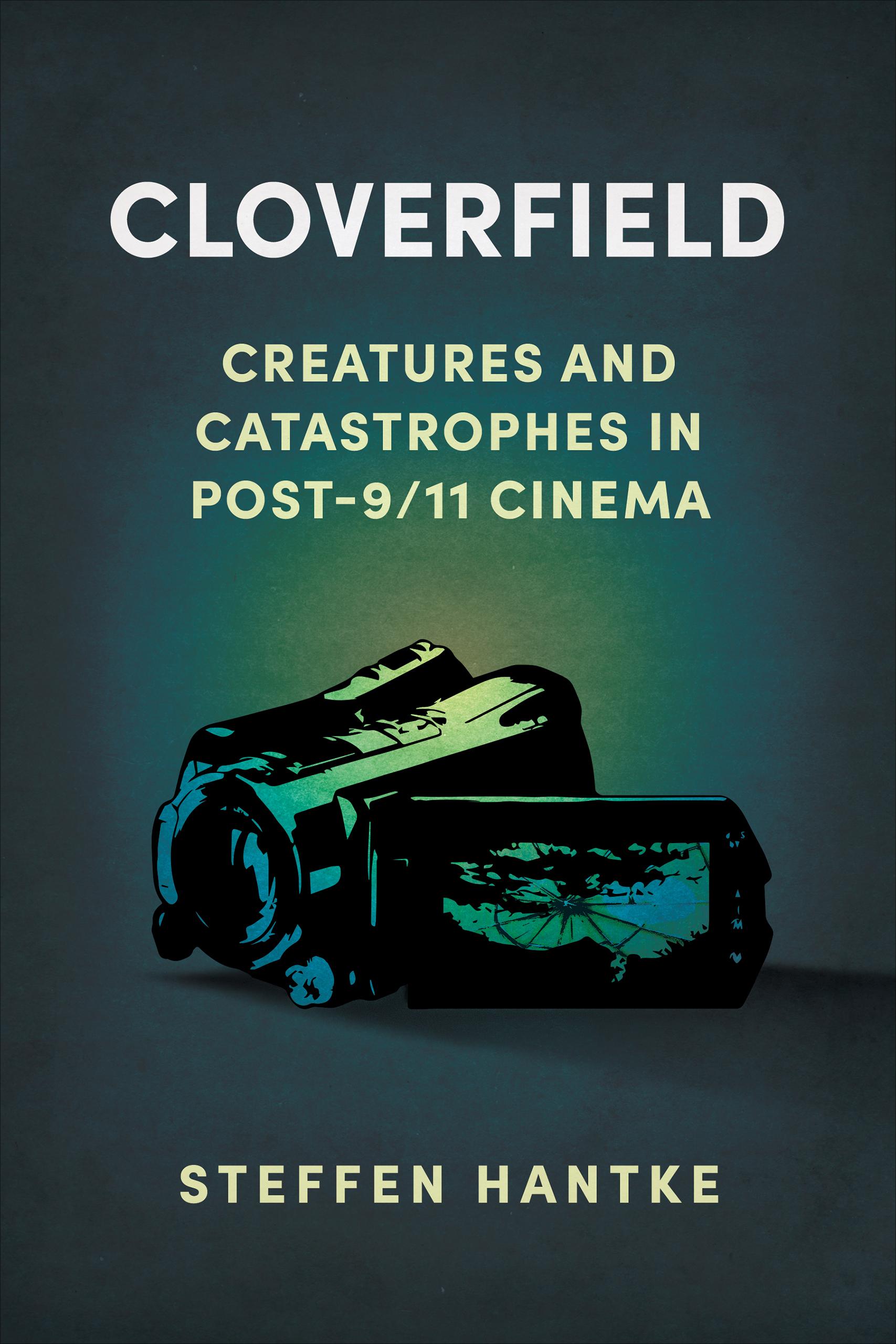
Upon its release in 2008, Matt Reeves’s Cloverfield revitalized the giant creature, a cinematic trope that had languished for over a decade. The film addressed the attacks of September 11, 2001, trading the jingoistic rhetoric of retributive military aggression for serious engagement with personal and collective trauma. It applied the horror genre’s fascination with personal stories captured by found footage to the grand violence of history. Innovative and intense, Cloverfield represented blockbuster filmmaking at its best.
Cloverfield’s franchising followed the path of high-profile Hollywood properties. This volume provides the first comprehensive overview of the franchise, measuring how it steers precariously between the commercial potential, creative risks, and political challenges in Hollywood. As 10 Cloverfield Lane (2016) and The Cloverfield Paradox (2018) struggled to sustain and update the franchise’s original concept, both films’ strengths and weaknesses come into focus by comparison with the original, just as the historical sequence of all three films allows for a reassessment of Cloverfield itself.
Author Steffen Hantke examines how, in the broader context of postmillennial Hollywood, the Cloverfield franchise remains both a harbinger of the way Hollywood does business and a test case for the cinematic fantasies of apocalyptic disaster that continue to dominate global box office, long after the Cold War that gave rise to giant creatures has ended and 9/11 has lost its hold on the global imagination. As an inspiration for the next stage of blockbuster filmmaking, in which franchises have replaced the singular cinematic masterpiece and marketing plays to fans as critics and scholars, Cloverfield remains as relevant today as when it first unleashed its giant creature onto New York City over a decade ago.
Cloverfield’s franchising followed the path of high-profile Hollywood properties. This volume provides the first comprehensive overview of the franchise, measuring how it steers precariously between the commercial potential, creative risks, and political challenges in Hollywood. As 10 Cloverfield Lane (2016) and The Cloverfield Paradox (2018) struggled to sustain and update the franchise’s original concept, both films’ strengths and weaknesses come into focus by comparison with the original, just as the historical sequence of all three films allows for a reassessment of Cloverfield itself.
Author Steffen Hantke examines how, in the broader context of postmillennial Hollywood, the Cloverfield franchise remains both a harbinger of the way Hollywood does business and a test case for the cinematic fantasies of apocalyptic disaster that continue to dominate global box office, long after the Cold War that gave rise to giant creatures has ended and 9/11 has lost its hold on the global imagination. As an inspiration for the next stage of blockbuster filmmaking, in which franchises have replaced the singular cinematic masterpiece and marketing plays to fans as critics and scholars, Cloverfield remains as relevant today as when it first unleashed its giant creature onto New York City over a decade ago.
Paga facilmente con carta, Klarna, Apple Pay o Google Pay. Non sei soddisfatto? Hai sempre 14 giorni per il rimborso. Leggi di più nei nostri termini. Per qualsiasi domanda, scrivici a hello@memmo.org.
Memmo rende lo studio più facile, ovunque tu sia nel mondo. Qui trovi i tuoi libri di testo e strumenti di studio intelligenti, tutto in un unico posto: riassunti, quiz, podcast e flashcard. E poi c'è Ted, il tuo compagno di studio che risponde a ogni tua domanda. Oltre 50.000 studenti studiano già qui: è stato creato per aiutarti a imparare più velocemente e a stressarti meno.
Potrebbe interessarti anche
Acquista il libro0