
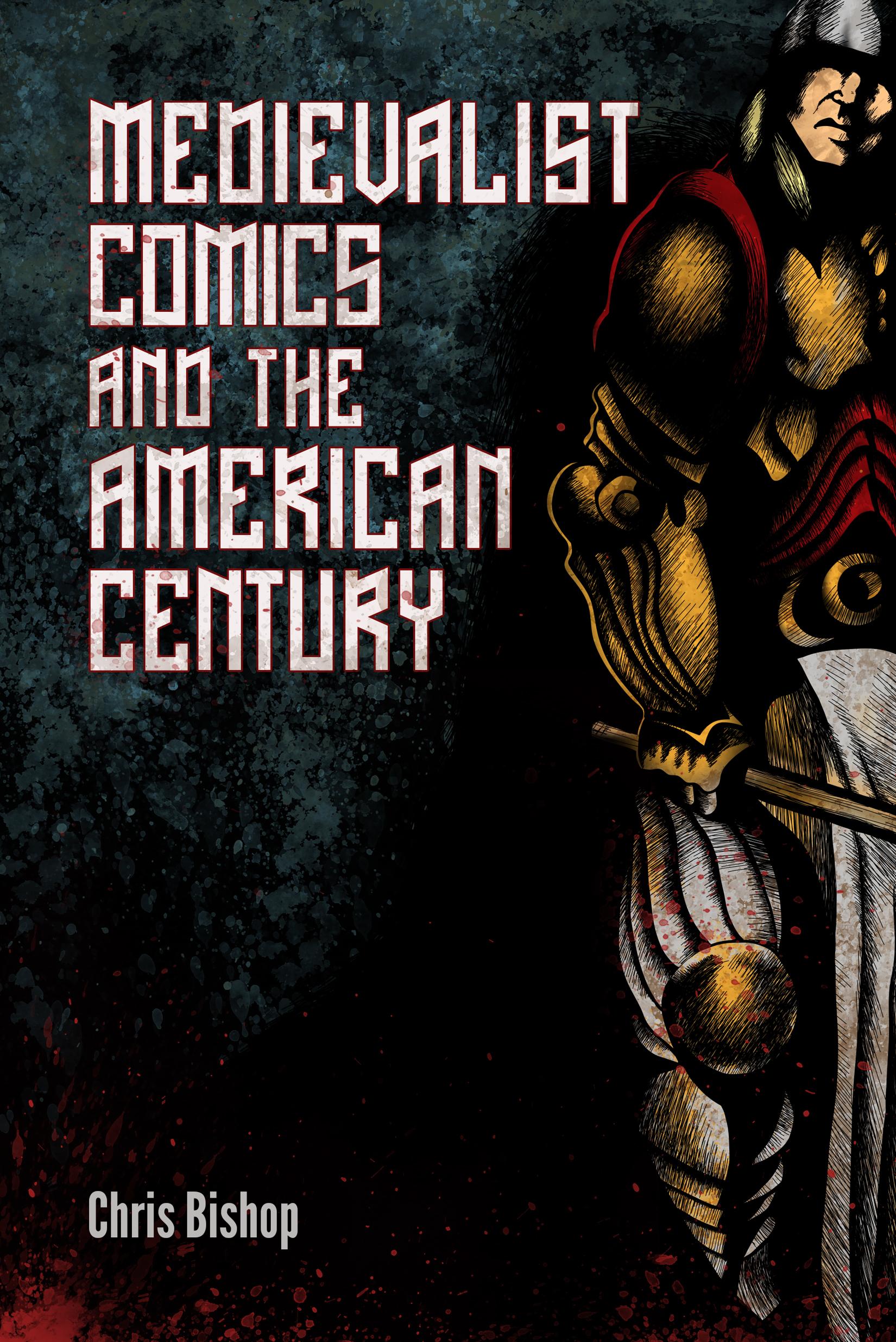
The comic book has become an essential icon of the American Century, an era defined by optimism in the face of change and by recognition of the intrinsic value of democracy and modernization. For many, the Middle Ages stand as an antithesis to these ideals, and yet medievalist comics have emerged and endured, even thrived alongside their superhero counterparts. Chris Bishop presents a reception history of medievalist comics, setting them against a greater backdrop of modern American history.
From its genesis in the 1930s to the present, Bishop surveys the medievalist comic, its stories, characters, settings, and themes drawn from the European Middle Ages. Hal Foster's Prince Valiant emerged from an America at odds with monarchy, but still in love with King Arthur. Green Arrow remains the continuation of a long fascination with Robin Hood that has become as central to the American identity as it was to the British. The Mighty Thor reflects the legacy of Germanic migration into the United States. The rugged individualism of Conan the Barbarian owes more to the western cowboy than it does to the continental knight-errant. In the narrative of Red Sonja, we can trace a parallel history of feminism. Bishop regards these comics as not merely happenchance, but each success (Prince Valiant and The Mighty Thor) or failure (Beowulf: Dragon Slayer) as a result and an indicator of certain American preoccupations amid a larger cultural context.
Intrinsically modernist paragons of pop-culture ephemera, American comics have ironically continued to engage with the European Middle Ages. Bishop illuminates some of the ways in which we use an imagined past to navigate the present and plots some possible futures as we valiantly shape a new century.
From its genesis in the 1930s to the present, Bishop surveys the medievalist comic, its stories, characters, settings, and themes drawn from the European Middle Ages. Hal Foster's Prince Valiant emerged from an America at odds with monarchy, but still in love with King Arthur. Green Arrow remains the continuation of a long fascination with Robin Hood that has become as central to the American identity as it was to the British. The Mighty Thor reflects the legacy of Germanic migration into the United States. The rugged individualism of Conan the Barbarian owes more to the western cowboy than it does to the continental knight-errant. In the narrative of Red Sonja, we can trace a parallel history of feminism. Bishop regards these comics as not merely happenchance, but each success (Prince Valiant and The Mighty Thor) or failure (Beowulf: Dragon Slayer) as a result and an indicator of certain American preoccupations amid a larger cultural context.
Intrinsically modernist paragons of pop-culture ephemera, American comics have ironically continued to engage with the European Middle Ages. Bishop illuminates some of the ways in which we use an imagined past to navigate the present and plots some possible futures as we valiantly shape a new century.
Paga facilmente con carta, Klarna, Apple Pay o Google Pay. Non sei soddisfatto? Hai sempre 14 giorni per il rimborso. Leggi di più nei nostri termini. Per qualsiasi domanda, scrivici a hello@memmo.org.
Memmo rende lo studio più facile, ovunque tu sia nel mondo. Qui trovi i tuoi libri di testo e strumenti di studio intelligenti, tutto in un unico posto: riassunti, quiz, podcast e flashcard. E poi c'è Ted, il tuo compagno di studio che risponde a ogni tua domanda. Oltre 50.000 studenti studiano già qui: è stato creato per aiutarti a imparare più velocemente e a stressarti meno.
Potrebbe interessarti anche
Acquista il libro0