
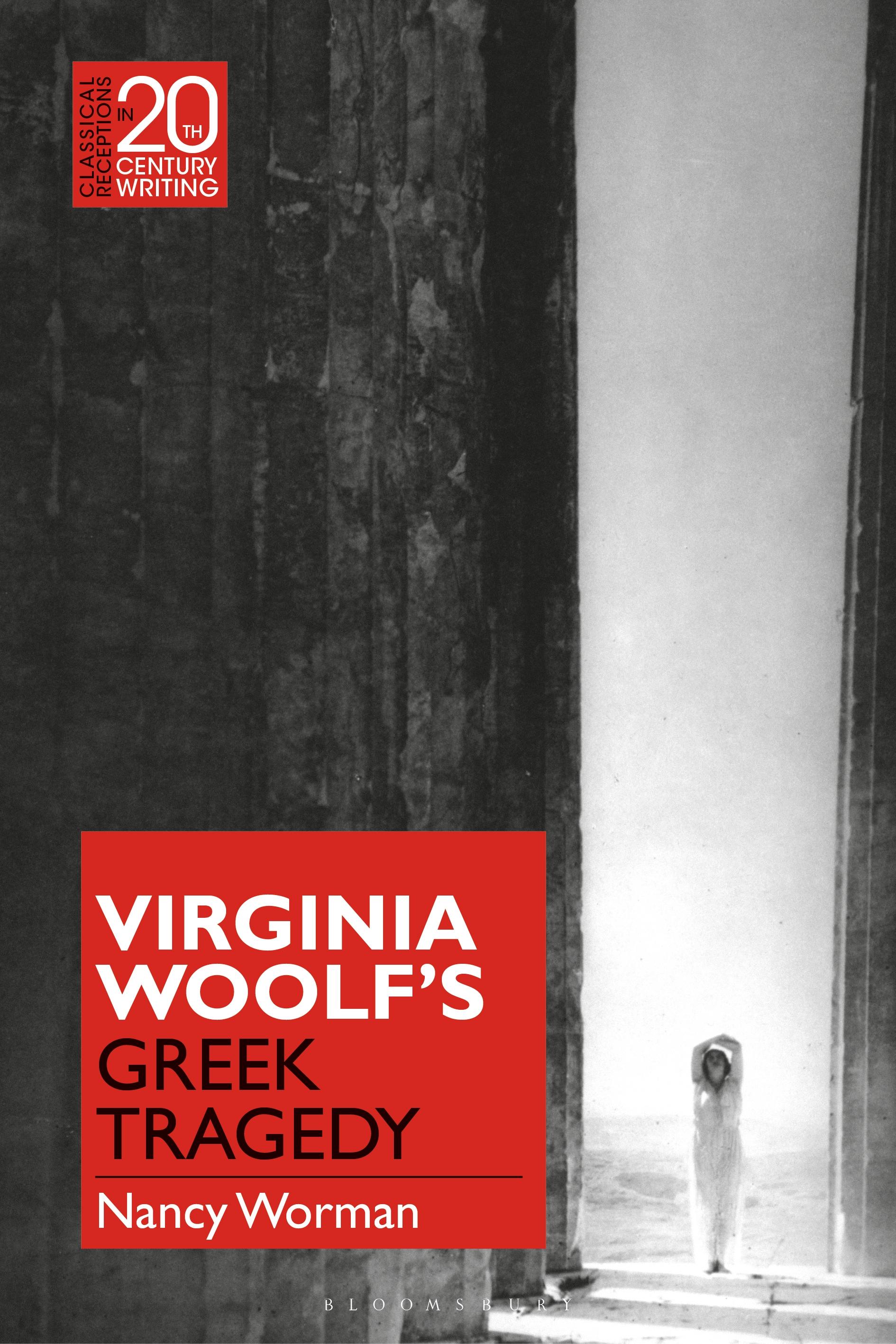
In Woolf's writings Greece and Greek tragedy in particular shape an exoticized aesthetic space that both emerges from and enables critique of the cosy settings and colonialist conceits of elite (and largely male) British attitudes toward culture and politics. Rather than highlighting Woolf's exclusion from male intellectual purviews, as so many scholars have emphasized, this book urges attention on how her engagements with Greek tragedy both collude with and challenge modernist aesthetics and contemporary politics.
Woolf's encounters with and uses of Greek tragedy fantasize an alternative perceptual capacity that correlates to feminine (and feminist) modes, which are depicted in her writings as alternately defiant and choral. In this scheme, Greek tragedy is something of a dreamland, the mysterious dynamics of which Woolf treats as transcending cultural attitudes that hinge upon imperialist adventuring and violence. As scholars have recognized, especially in recent decades, the exoticizing gestures central to the work of so many modernists have uncomfortable political underpinnings, since they frequently inhabit imperialist and colonialist perspectives while appearing to critique them. Unlike most scholars, Nancy Worman argues that Woolf is no exception, although the feminism and humour that inflects so many "Greek" elements in her work saves it from the worst offenses.
Woolf's encounters with and uses of Greek tragedy fantasize an alternative perceptual capacity that correlates to feminine (and feminist) modes, which are depicted in her writings as alternately defiant and choral. In this scheme, Greek tragedy is something of a dreamland, the mysterious dynamics of which Woolf treats as transcending cultural attitudes that hinge upon imperialist adventuring and violence. As scholars have recognized, especially in recent decades, the exoticizing gestures central to the work of so many modernists have uncomfortable political underpinnings, since they frequently inhabit imperialist and colonialist perspectives while appearing to critique them. Unlike most scholars, Nancy Worman argues that Woolf is no exception, although the feminism and humour that inflects so many "Greek" elements in her work saves it from the worst offenses.
Paga facilmente con carta, Klarna, Apple Pay o Google Pay. Non sei soddisfatto? Hai sempre 14 giorni per il rimborso. Leggi di più nei nostri termini. Per qualsiasi domanda, scrivici a hello@memmo.org.
Memmo rende lo studio più facile, ovunque tu sia nel mondo. Qui trovi i tuoi libri di testo e strumenti di studio intelligenti, tutto in un unico posto: riassunti, quiz, podcast e flashcard. E poi c'è Ted, il tuo compagno di studio che risponde a ogni tua domanda. Oltre 50.000 studenti studiano già qui: è stato creato per aiutarti a imparare più velocemente e a stressarti meno.