
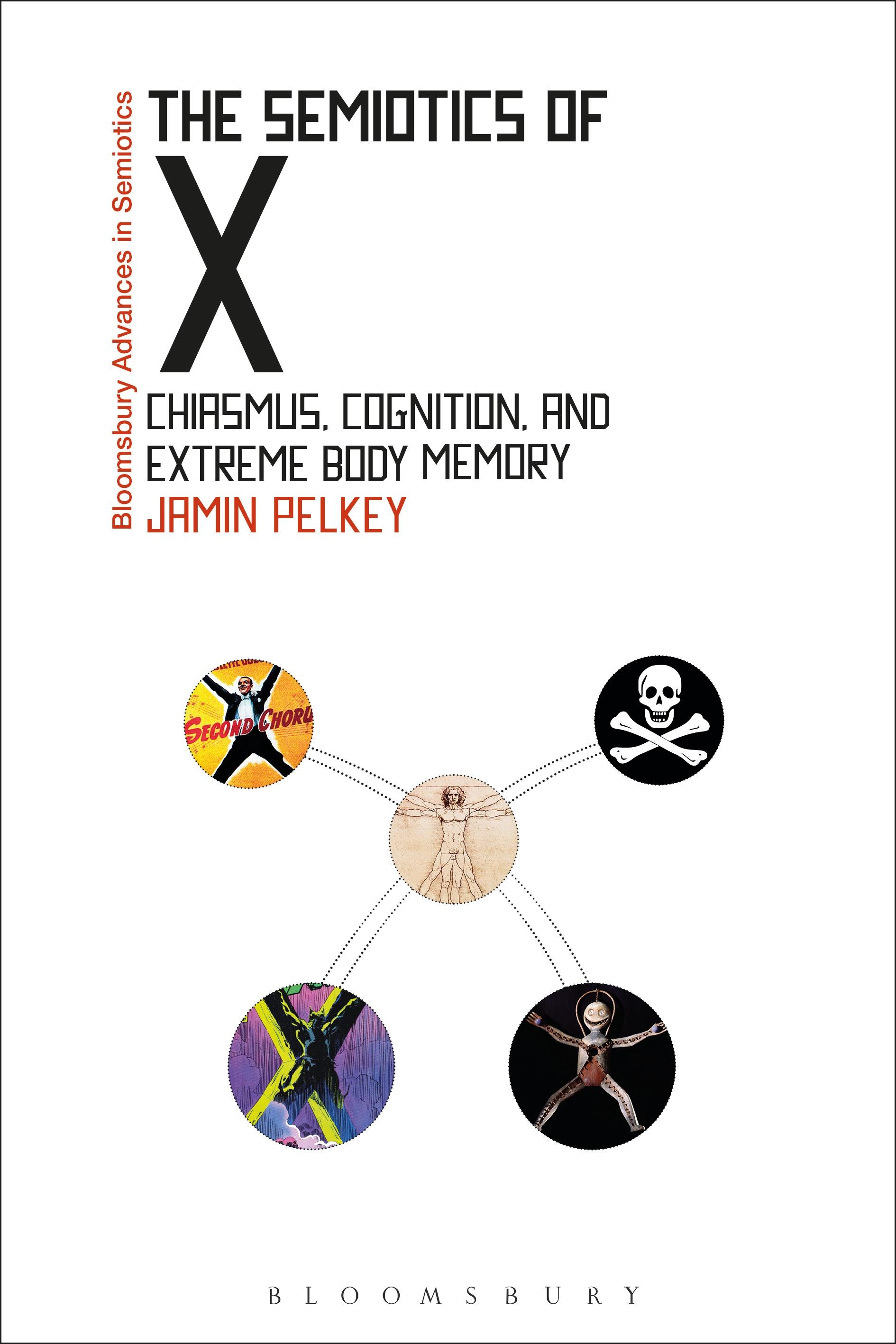
The X figure is ubiquitous in contemporary culture, but attempts to explain our fixation with X are rare.
This book argues that the origins and meanings of X go far beyond alphabets and archetypes to remembered feelings of body movements - movements best typified in the performance of “spread-eagle” as a posture or gesture. These body memories are then projected onto other patterns and dynamics to help us make sense of the world. The argument is accomplished using a blend of insights from linguistic anthropology, cognitive linguistics, rhetoric culture and process semiotics to bring together revealing clues from languages, cultures and thinkers around the world.
Chief among the uses and experiences of X are its tendencies to involve us in surprising reversals and blends. In ancient times the X-pattern was discussed as “chiasmus”, a figure which, according to Maurice Merleau-Ponty, informs the most basic elements of our bodily experience, calling into question polarized dichotomies such as subject versus object. Pushed to extremes, presumed opposites like these tend to reverse suddenly. Likewise, blended experiences of our bodily extremities - arms and legs, toes and fingers, hands and feet - provide a plausible source of grounding for unique human abilities like analogy and double-scope conceptual integration. The book illustrates these dynamics by drawing attention to uses of X in history, prehistory and daily life, from sports and advertising to world mythology and languages around the world.
The Semiotics of X is the first step towards developing a larger argument on the important but neglected role that chiasmus plays in cognition. It aims to inspire continued exploration on the figure, with the full expectation that chiasmus will become for the 21st century what metaphor became for the 20th century: a revolution in thinking about the way we think.
This book argues that the origins and meanings of X go far beyond alphabets and archetypes to remembered feelings of body movements - movements best typified in the performance of “spread-eagle” as a posture or gesture. These body memories are then projected onto other patterns and dynamics to help us make sense of the world. The argument is accomplished using a blend of insights from linguistic anthropology, cognitive linguistics, rhetoric culture and process semiotics to bring together revealing clues from languages, cultures and thinkers around the world.
Chief among the uses and experiences of X are its tendencies to involve us in surprising reversals and blends. In ancient times the X-pattern was discussed as “chiasmus”, a figure which, according to Maurice Merleau-Ponty, informs the most basic elements of our bodily experience, calling into question polarized dichotomies such as subject versus object. Pushed to extremes, presumed opposites like these tend to reverse suddenly. Likewise, blended experiences of our bodily extremities - arms and legs, toes and fingers, hands and feet - provide a plausible source of grounding for unique human abilities like analogy and double-scope conceptual integration. The book illustrates these dynamics by drawing attention to uses of X in history, prehistory and daily life, from sports and advertising to world mythology and languages around the world.
The Semiotics of X is the first step towards developing a larger argument on the important but neglected role that chiasmus plays in cognition. It aims to inspire continued exploration on the figure, with the full expectation that chiasmus will become for the 21st century what metaphor became for the 20th century: a revolution in thinking about the way we think.
Pagine: 280
Categoria: Språk & Lingvistik
e-ISBN: 9781474273831
Peso di spedizione: 1.2 kg
Spedito in: 1-2 giorni
Paga facilmente con carta, Klarna, Apple Pay o Google Pay. Non sei soddisfatto? Hai sempre 14 giorni per il rimborso. Leggi di più nei nostri termini. Per qualsiasi domanda, scrivici a hello@memmo.org.
Memmo rende lo studio più facile, ovunque tu sia nel mondo. Qui trovi i tuoi libri di testo e strumenti di studio intelligenti, tutto in un unico posto: riassunti, quiz, podcast e flashcard. E poi c'è Ted, il tuo compagno di studio che risponde a ogni tua domanda. Oltre 50.000 studenti studiano già qui: è stato creato per aiutarti a imparare più velocemente e a stressarti meno.