
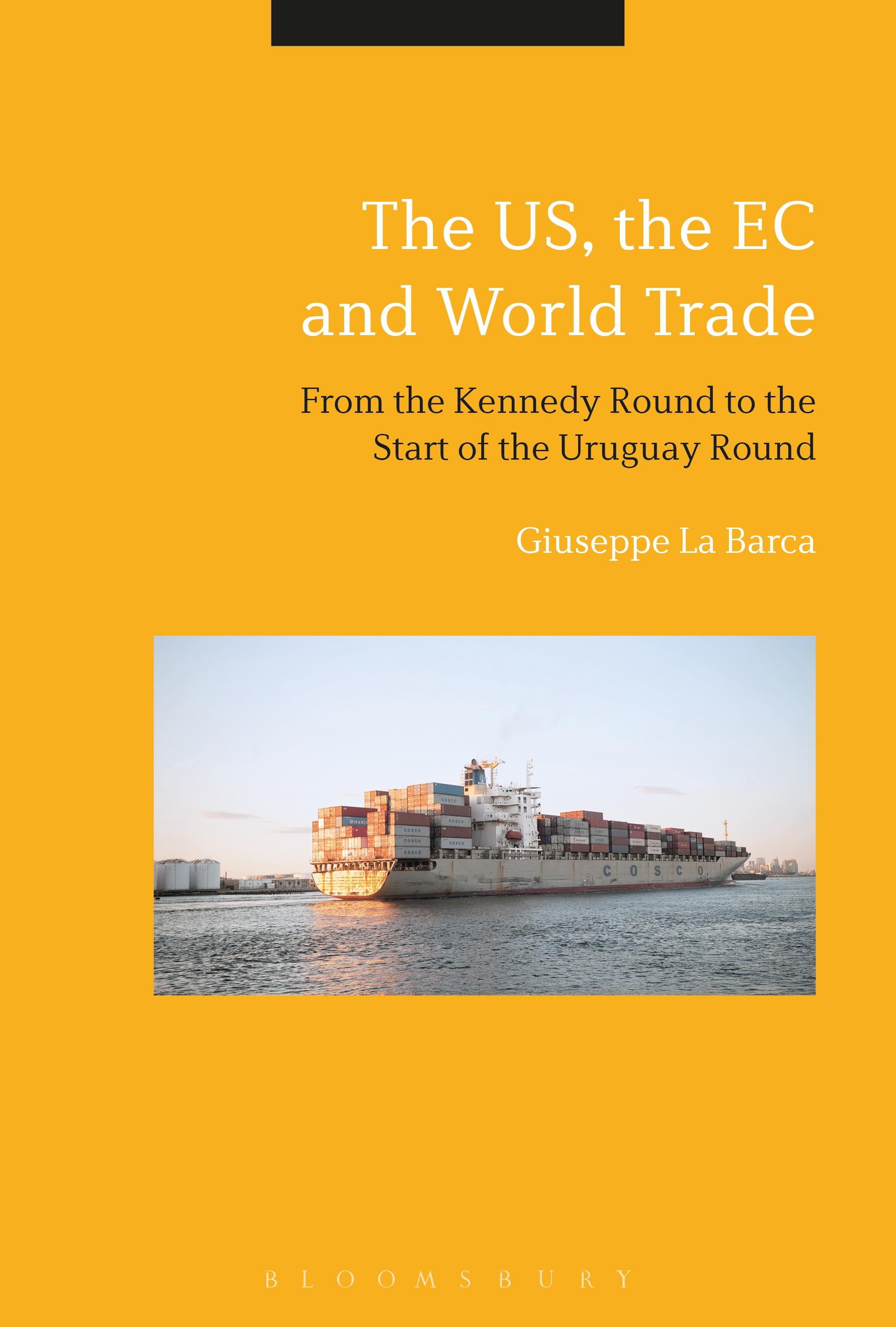
The period between the close of the Kennedy Round and the opening of the Uruguay Round replaced a decade of fast growth in world output and trade - and of prevailing harmony in trade relations across the Atlantic - with twenty years of currency and trade turmoil and strains between the US and the EC. Giuseppe La Barca provides a comprehensive account of these trade developments and the measures adopted by the US and the EC to cope with them; in doing so, he draws a wider picture of international trade policy-making during the period.
The aftermath of the Kennedy Round witnessed the undoing of the Bretton Woods regime, but the consequent overheating of the world economy resulted in an acceleration of international trade while settlement in the currency area contributed to the launching of the Tokyo Round negotiations. The first oil shock heralded an unprecedented slump along with a jump in unemployment and inflation rates. The Tokyo Round resulted only in a first step in eliminating non-tariff barriers, leaving contentious issues between the two transatlantic trading partners unsettled. The second oil shock led to growing calls for protectionism and unilateralism particularly in the US, and the Reagan administration pressed for the launch of the Uruguay Round only partially supported by the EC.
Providing an in-depth analysis of trade developments involving the two most important economic actors, and placing these developments in a multilateral, international context, this book offers new insights to scholars of economic history and international political economy.
The aftermath of the Kennedy Round witnessed the undoing of the Bretton Woods regime, but the consequent overheating of the world economy resulted in an acceleration of international trade while settlement in the currency area contributed to the launching of the Tokyo Round negotiations. The first oil shock heralded an unprecedented slump along with a jump in unemployment and inflation rates. The Tokyo Round resulted only in a first step in eliminating non-tariff barriers, leaving contentious issues between the two transatlantic trading partners unsettled. The second oil shock led to growing calls for protectionism and unilateralism particularly in the US, and the Reagan administration pressed for the launch of the Uruguay Round only partially supported by the EC.
Providing an in-depth analysis of trade developments involving the two most important economic actors, and placing these developments in a multilateral, international context, this book offers new insights to scholars of economic history and international political economy.
Pagine: 296
Categoria: Ekonomi & Utveckling
e-ISBN: 9781474257855
Peso di spedizione: 1.2 kg
Spedito in: 1-2 giorni
Paga facilmente con carta, Klarna, Apple Pay o Google Pay. Non sei soddisfatto? Hai sempre 14 giorni per il rimborso. Leggi di più nei nostri termini. Per qualsiasi domanda, scrivici a hello@memmo.org.
Memmo rende lo studio più facile, ovunque tu sia nel mondo. Qui trovi i tuoi libri di testo e strumenti di studio intelligenti, tutto in un unico posto: riassunti, quiz, podcast e flashcard. E poi c'è Ted, il tuo compagno di studio che risponde a ogni tua domanda. Oltre 50.000 studenti studiano già qui: è stato creato per aiutarti a imparare più velocemente e a stressarti meno.