
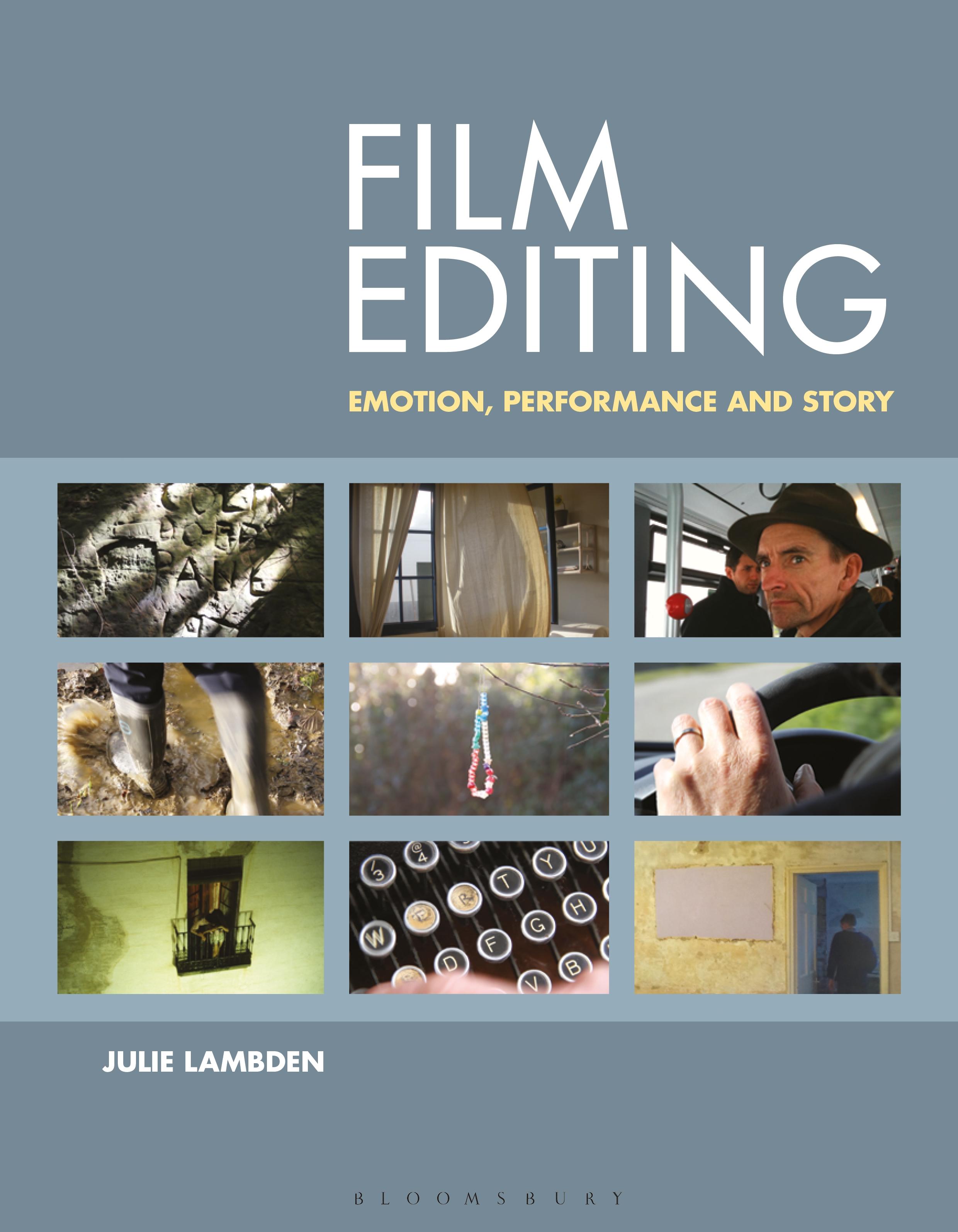
Film editing is part of the long process of formulating, acquiring and presenting the images and sounds that make a film. The film editor makes decisions about the arrangement of the visual and aural material that they receive in the cutting room, not for their own satisfaction but to stimulate the participation of the cinema and television viewer. Three interrelated aspects, Emotion, Performance and Story, influence this decision-making.
Combining history, practice, study and theory, Film Editing: Emotion, Performance, Story investigates why certain editorial decisions can encourage the emotional and narrative engagement of the audience. With full-color examples from features, short films and commercials, this book introduces a range of different editing styles and techniques to provide editors with a context on which to build their practice.
Julie Lambden takes a discursive approach exploring the many options open to the editor whether this is the fine point at which to cut or the exact structuring of scenes within a whole film. Examples are closely analysed and discussed using frame grabs, graphics and plans. The book opens discussions on our psychological and cognitive behavior, and asks why certain picture and sound configurations can affect us emotionally. Interspersed with chapters on the fundamental tools of editing are studies of three editing strategies. Each is a method of persuasion that the editor can use to elicit a response in the audience, whether that is sympathy for a character or belief in the fictional world.
Combining history, practice, study and theory, Film Editing: Emotion, Performance, Story investigates why certain editorial decisions can encourage the emotional and narrative engagement of the audience. With full-color examples from features, short films and commercials, this book introduces a range of different editing styles and techniques to provide editors with a context on which to build their practice.
Julie Lambden takes a discursive approach exploring the many options open to the editor whether this is the fine point at which to cut or the exact structuring of scenes within a whole film. Examples are closely analysed and discussed using frame grabs, graphics and plans. The book opens discussions on our psychological and cognitive behavior, and asks why certain picture and sound configurations can affect us emotionally. Interspersed with chapters on the fundamental tools of editing are studies of three editing strategies. Each is a method of persuasion that the editor can use to elicit a response in the audience, whether that is sympathy for a character or belief in the fictional world.
Pagine: 232
Categoria: Film- & Medievetenskap
e-ISBN: 9781474256254
Peso di spedizione: 1.2 kg
Spedito in: 1-2 giorni
Paga facilmente con carta, Klarna, Apple Pay o Google Pay. Non sei soddisfatto? Hai sempre 14 giorni per il rimborso. Leggi di più nei nostri termini. Per qualsiasi domanda, scrivici a hello@memmo.org.
Memmo rende lo studio più facile, ovunque tu sia nel mondo. Qui trovi i tuoi libri di testo e strumenti di studio intelligenti, tutto in un unico posto: riassunti, quiz, podcast e flashcard. E poi c'è Ted, il tuo compagno di studio che risponde a ogni tua domanda. Oltre 50.000 studenti studiano già qui: è stato creato per aiutarti a imparare più velocemente e a stressarti meno.