
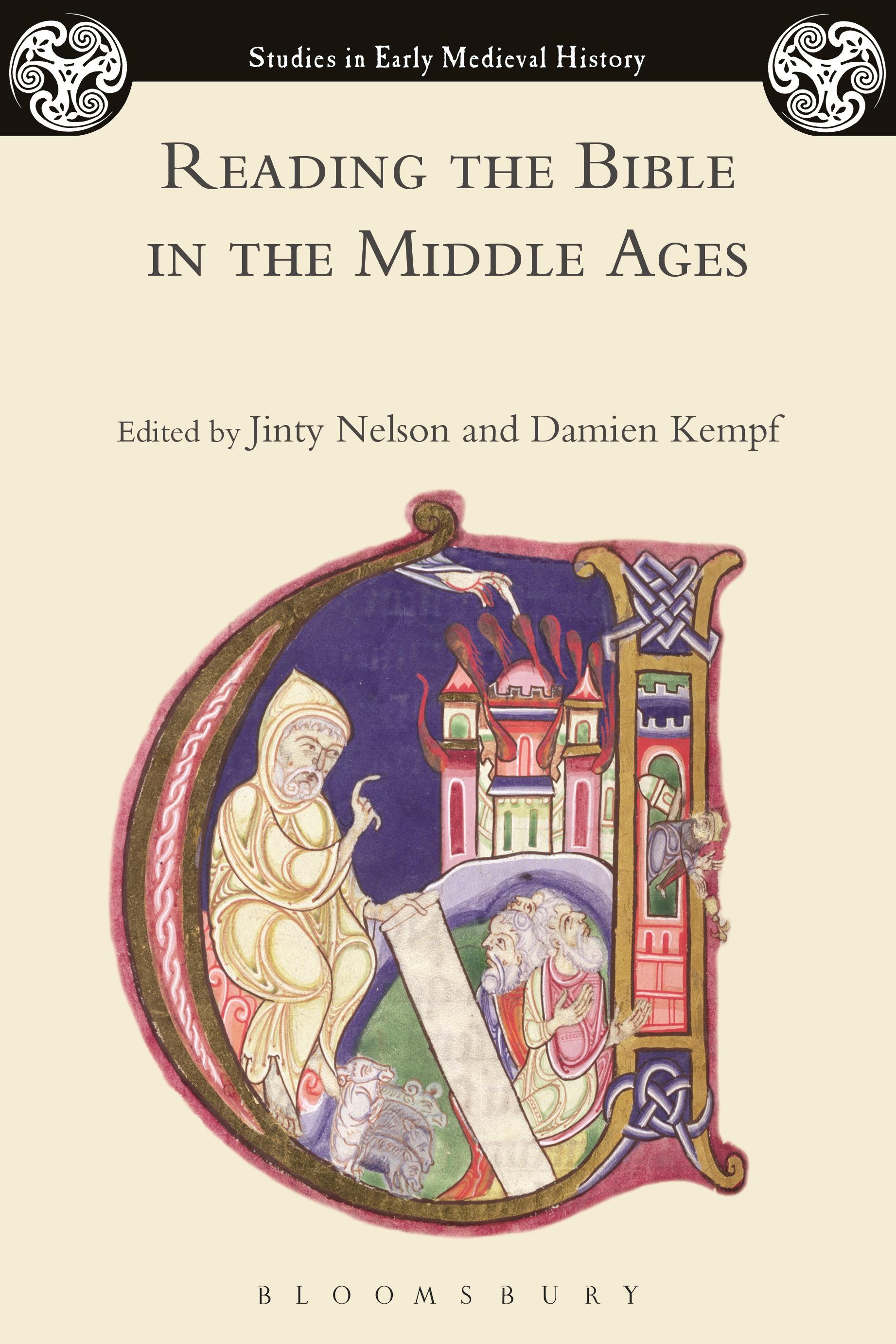
For earlier medieval Christians, the Bible was the book of guidance above all others, and the route to religious knowledge, used for all kinds of practical purposes, from divination to models of government in kingdom or household. This book's focus is on how medieval people accessed Scripture by reading, but also by hearing and memorizing sound-bites from the liturgy, chants and hymns, or sermons explicating Scripture in various vernaculars. Time, place and social class determined access to these varied forms of Scripture. Throughout the earlier medieval period, the Psalms attracted most readers and searchers for meanings.
This book's contributors probe readers' motivations, intellectual resources and religious concerns. They ask for whom the readers wrote, where they expected their readers to be located and in what institutional, social and political environments they belonged; why writers chose to write about, or draw on, certain parts of the Bible rather than others, and what real-life contexts or conjunctures inspired them; why the Old Testament so often loomed so large, and how its law-books, its histories, its prophetic books and its poetry were made intelligible to readers, hearers and memorizers. This book's contributors, in raising so many questions, do justice to both uniqueness and diversity.
This book's contributors probe readers' motivations, intellectual resources and religious concerns. They ask for whom the readers wrote, where they expected their readers to be located and in what institutional, social and political environments they belonged; why writers chose to write about, or draw on, certain parts of the Bible rather than others, and what real-life contexts or conjunctures inspired them; why the Old Testament so often loomed so large, and how its law-books, its histories, its prophetic books and its poetry were made intelligible to readers, hearers and memorizers. This book's contributors, in raising so many questions, do justice to both uniqueness and diversity.
Paga facilmente con carta, Klarna, Apple Pay o Google Pay. Non sei soddisfatto? Hai sempre 14 giorni per il rimborso. Leggi di più nei nostri termini. Per qualsiasi domanda, scrivici a hello@memmo.org.
Memmo rende lo studio più facile, ovunque tu sia nel mondo. Qui trovi i tuoi libri di testo e strumenti di studio intelligenti, tutto in un unico posto: riassunti, quiz, podcast e flashcard. E poi c'è Ted, il tuo compagno di studio che risponde a ogni tua domanda. Oltre 50.000 studenti studiano già qui: è stato creato per aiutarti a imparare più velocemente e a stressarti meno.