
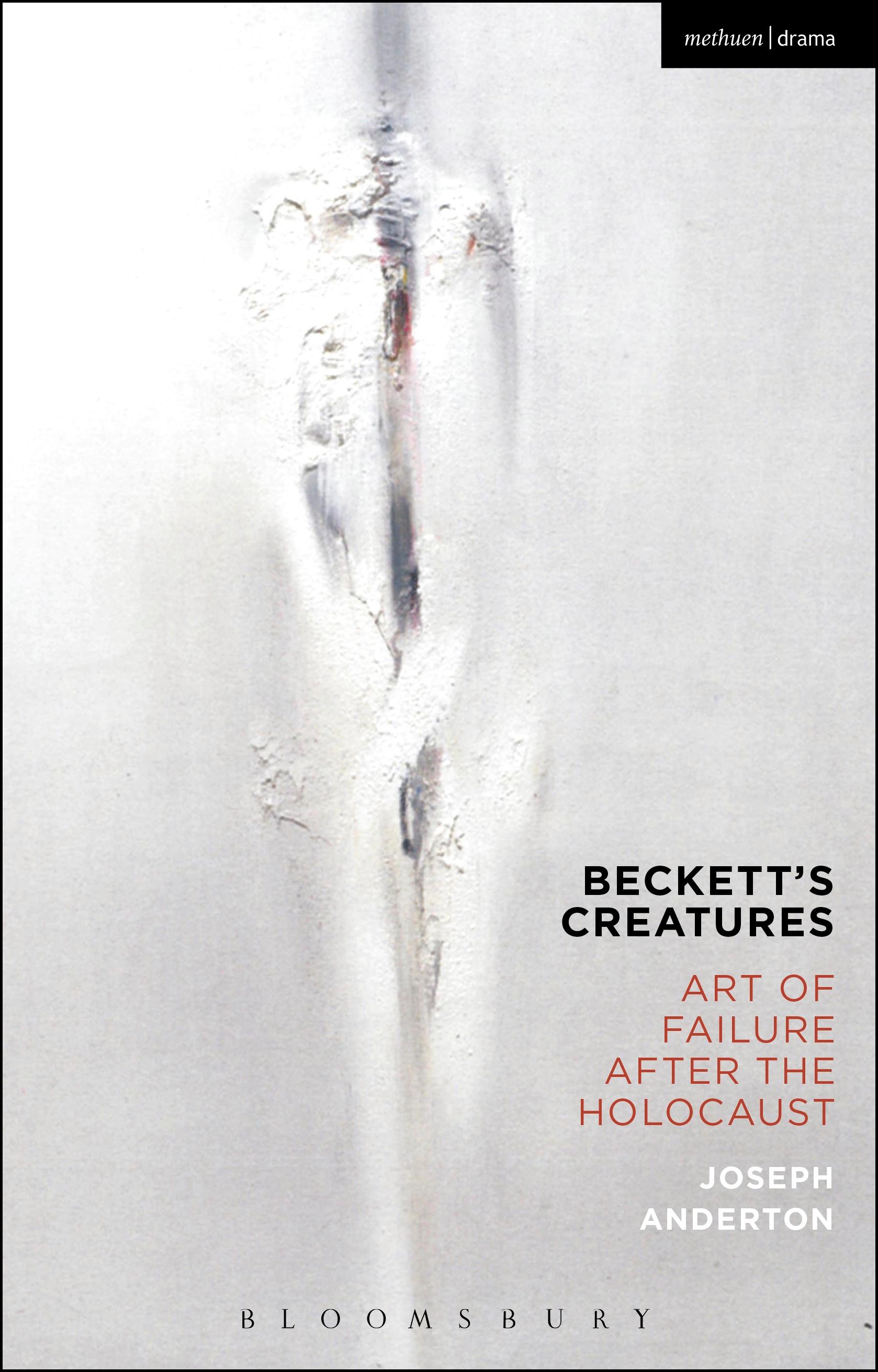
In the shadow of the Holocaust, Samuel Beckett captures humanity in ruins through his debased beings and a decomposing mode of writing that strives to 'fail better'. But what might it mean to be a 'creature' or 'creaturely' in Beckett's world? In the first full-length study of the concept of the creature in Beckett's prose and drama, this book traces the suspended lives and melancholic existences of Beckett's ignorant and impotent creatures to assess the extent to which political value marks the divide between human and inhuman.
Through close readings of Beckett's prose and drama, particularly texts from the middle period, including Molloy, Malone Dies, The Unnamable, Waiting for Godot and Endgame, Anderton explicates four arenas of creaturely life in Beckett. Each chapter attends to a particular theme – testimony, power, humour and survival – to analyse a range of pressures and impositions that precipitate the creaturely state of suspension.
Drawing on the writings of Adorno, Agamben, Benjamin, Deleuze and Derrida to explore the overlaps between artistic and political structures of creation, the creature emerges as an in-between figure that bespeaks the provisional nature of the human. The result is a provocative examination of the indirect relationship between art and history through Beckett's treatment of testimony, power, humour and survival, which each attest to the destabilisation of meaning after Auschwitz.
Through close readings of Beckett's prose and drama, particularly texts from the middle period, including Molloy, Malone Dies, The Unnamable, Waiting for Godot and Endgame, Anderton explicates four arenas of creaturely life in Beckett. Each chapter attends to a particular theme – testimony, power, humour and survival – to analyse a range of pressures and impositions that precipitate the creaturely state of suspension.
Drawing on the writings of Adorno, Agamben, Benjamin, Deleuze and Derrida to explore the overlaps between artistic and political structures of creation, the creature emerges as an in-between figure that bespeaks the provisional nature of the human. The result is a provocative examination of the indirect relationship between art and history through Beckett's treatment of testimony, power, humour and survival, which each attest to the destabilisation of meaning after Auschwitz.
Paga facilmente con carta, Klarna, Apple Pay o Google Pay. Non sei soddisfatto? Hai sempre 14 giorni per il rimborso. Leggi di più nei nostri termini. Per qualsiasi domanda, scrivici a hello@memmo.org.
Memmo rende lo studio più facile, ovunque tu sia nel mondo. Qui trovi i tuoi libri di testo e strumenti di studio intelligenti, tutto in un unico posto: riassunti, quiz, podcast e flashcard. E poi c'è Ted, il tuo compagno di studio che risponde a ogni tua domanda. Oltre 50.000 studenti studiano già qui: è stato creato per aiutarti a imparare più velocemente e a stressarti meno.