
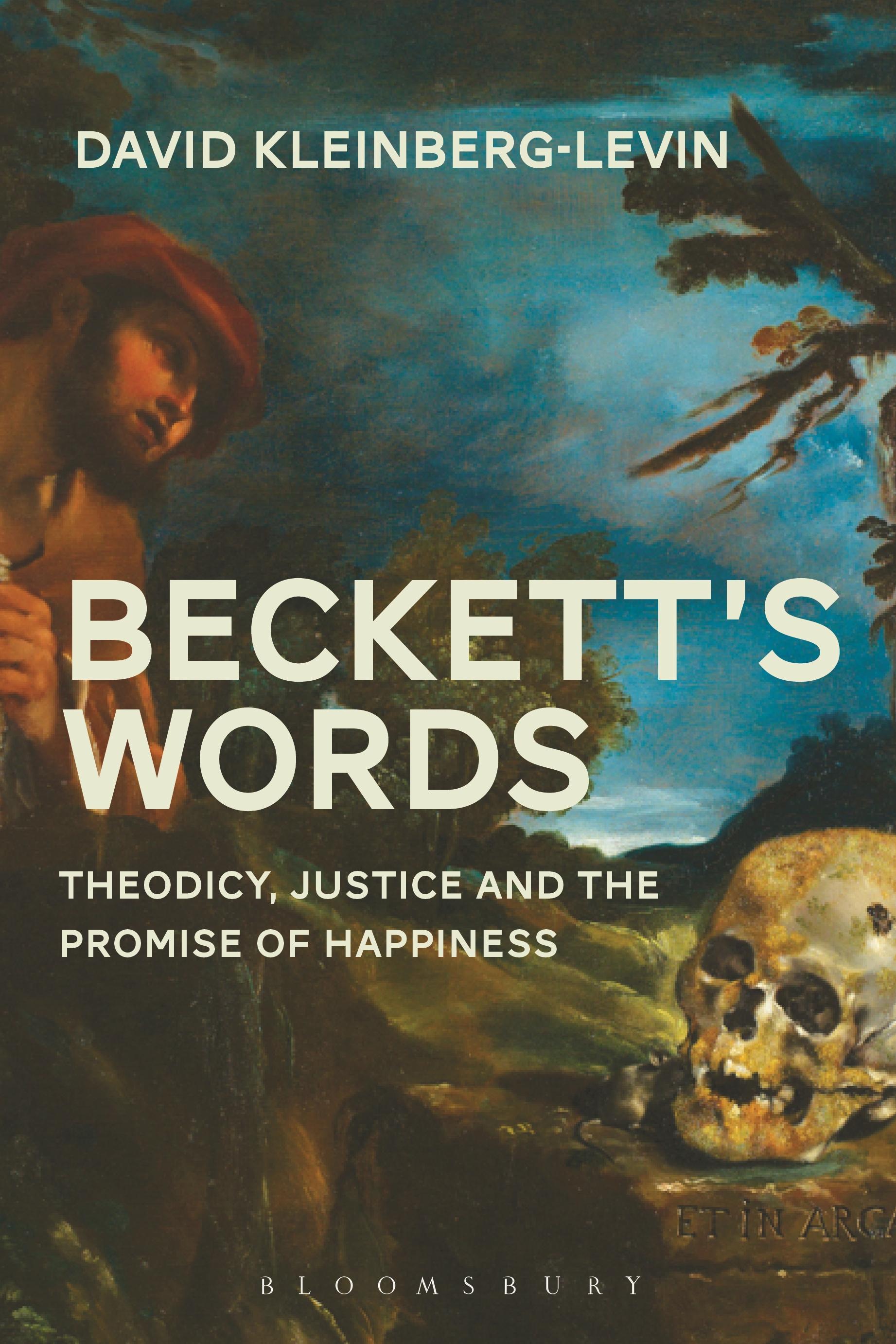
At stake in this book is a struggle with language in a time when our old faith in the redeeming of the word-and the word's power to redeem-has almost been destroyed. Drawing on Benjamin's political theology, his interpretation of the German Baroque mourning play, and Adorno's critical aesthetic theory, but also on the thought of poets and many other philosophers, especially Hegel's phenomenology of spirit, Nietzsche's analysis of nihilism, and Derrida's writings on language, Kleinberg-Levin shows how, because of its communicative and revelatory powers, language bears the utopian "promise of happiness," the idea of a secular redemption of humanity, at the very heart of which must be the achievement of universal justice. In an original reading of Beckett's plays, novels and short stories, Kleinberg-Levin shows how, despite inheriting a language damaged, corrupted and commodified, Beckett redeems dead or dying words and wrests from this language new possibilities for the expression of meaning. Without denying Beckett's nihilism, his picture of a radically disenchanted world, Kleinberg-Levin calls attention to moments when his words suddenly ignite and break free of their despair and pain, taking shape in the beauty of an austere yet joyous lyricism, suggesting that, after all, meaning is still possible.
Pagine: 304
Categoria: Litteraturvetenskap & Teori
e-ISBN: 9781474216883
Peso di spedizione: 1.2 kg
Spedito in: 1-2 giorni
Paga facilmente con carta, Klarna, Apple Pay o Google Pay. Non sei soddisfatto? Hai sempre 14 giorni per il rimborso. Leggi di più nei nostri termini. Per qualsiasi domanda, scrivici a hello@memmo.org.
Memmo rende lo studio più facile, ovunque tu sia nel mondo. Qui trovi i tuoi libri di testo e strumenti di studio intelligenti, tutto in un unico posto: riassunti, quiz, podcast e flashcard. E poi c'è Ted, il tuo compagno di studio che risponde a ogni tua domanda. Oltre 50.000 studenti studiano già qui: è stato creato per aiutarti a imparare più velocemente e a stressarti meno.