
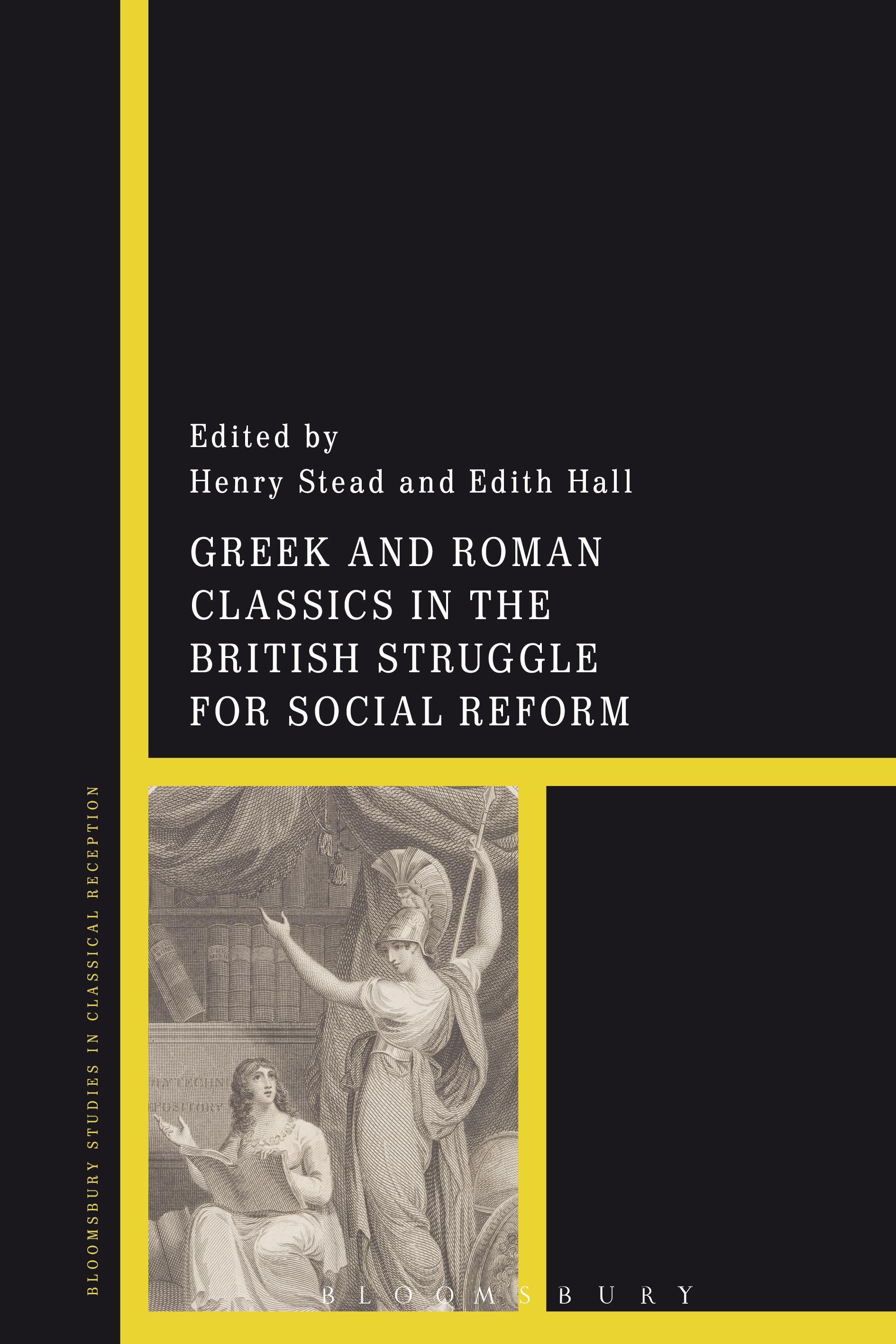
Greek and Roman Classics in the British Struggle for Social Reform presents an original and carefully argued case for the importance of classical ideas, education and self-education in the personal development and activities of British social reformers in the 19th and first six decades of the 20th century. Usually drawn from the lower echelons of the middle class and the most aspirational artisanal and working-class circles, the prominent reformers, revolutionaries, feminists and educationalists of this era, far from regarding education in Latin and Greek as the preserve of the upper classes and inherently reactionary, were consistently inspired by the Mediterranean Classics and contested the monopoly on access to them often claimed by the wealthy and aristocratic elite.
The essays, several of which draw on previously neglected and unpublished sources, cover literary figures (Coleridge, the 'Cockney Classicist' poets including Keats, and Dickens), different cultural media (burlesque theatre, body-building, banner art, poetry, journalism and fiction), topics in social reform (the desirability of revolution, suffrage, poverty, social exclusion, women's rights, healthcare, eugenics, town planning, race relations and workers' education), as well as political affiliations and agencies (Chartists, Trade Unions, the WEA, political parties including the Fabians, the Communist Party of Great Britain and the Labour Party).
The sixteen essays in this volume restore to the history of British Classics some of the subject's ideological complexity and instrumentality in social progress, a past which is badly needed in the current debates over the future of the discipline. Contributors include specialists in English Literature, History, Classics and Art.
The essays, several of which draw on previously neglected and unpublished sources, cover literary figures (Coleridge, the 'Cockney Classicist' poets including Keats, and Dickens), different cultural media (burlesque theatre, body-building, banner art, poetry, journalism and fiction), topics in social reform (the desirability of revolution, suffrage, poverty, social exclusion, women's rights, healthcare, eugenics, town planning, race relations and workers' education), as well as political affiliations and agencies (Chartists, Trade Unions, the WEA, political parties including the Fabians, the Communist Party of Great Britain and the Labour Party).
The sixteen essays in this volume restore to the history of British Classics some of the subject's ideological complexity and instrumentality in social progress, a past which is badly needed in the current debates over the future of the discipline. Contributors include specialists in English Literature, History, Classics and Art.
Paga facilmente con carta, Klarna, Apple Pay o Google Pay. Non sei soddisfatto? Hai sempre 14 giorni per il rimborso. Leggi di più nei nostri termini. Per qualsiasi domanda, scrivici a hello@memmo.org.
Memmo rende lo studio più facile, ovunque tu sia nel mondo. Qui trovi i tuoi libri di testo e strumenti di studio intelligenti, tutto in un unico posto: riassunti, quiz, podcast e flashcard. E poi c'è Ted, il tuo compagno di studio che risponde a ogni tua domanda. Oltre 50.000 studenti studiano già qui: è stato creato per aiutarti a imparare più velocemente e a stressarti meno.