
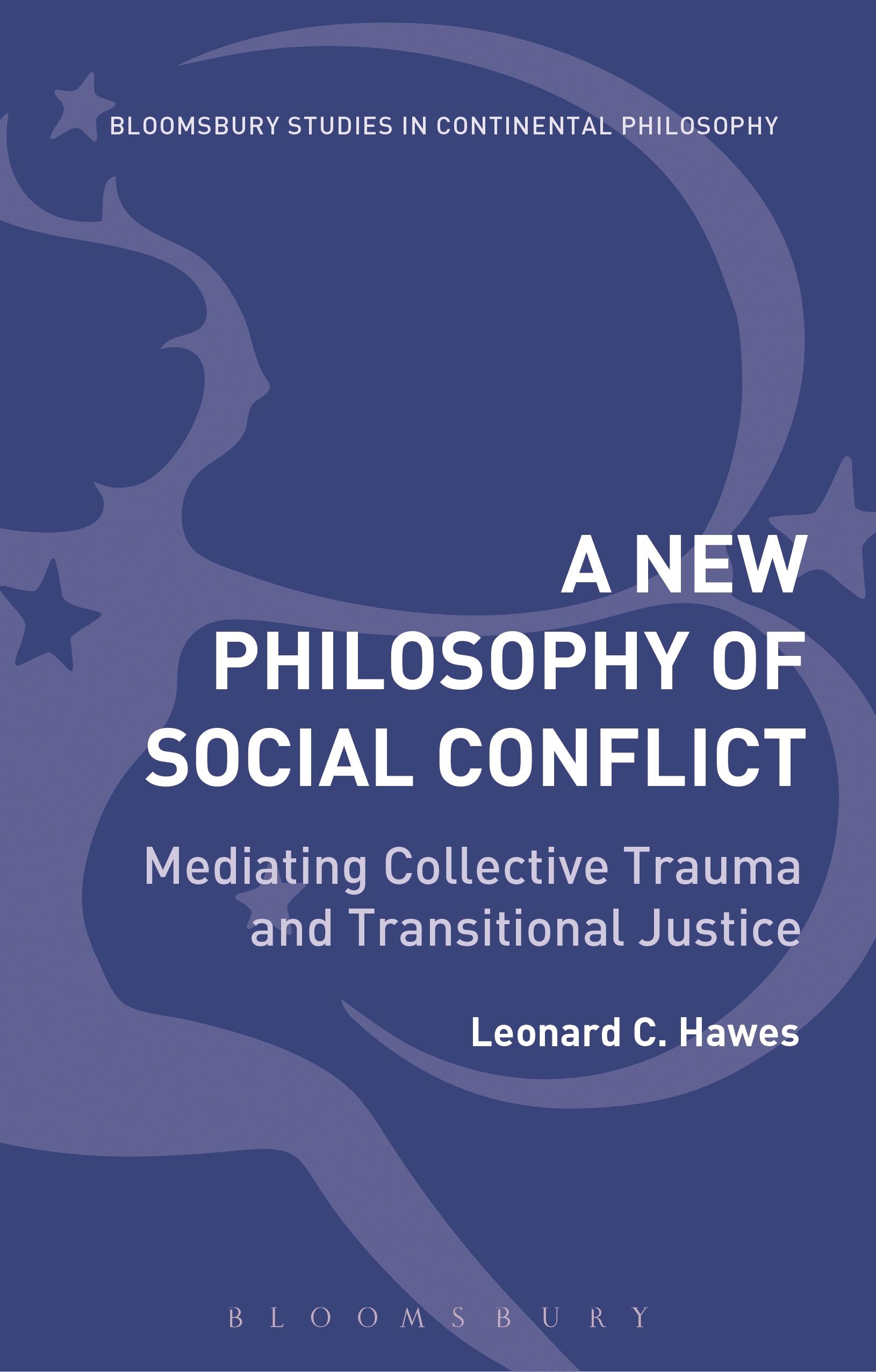
A New Philosophy of Social Conflict joins in the contemporary conflict resolution and transitional justice debates by contributing a Deleuze-Guattarian reading of the post-genocide justice and reconciliation experiment in Rwanda -the Gacaca courts. In doing so, Hawes addresses two significant problems for which the work of Deleuze and Guattari provides invaluable insight: how to live ethically with the consequences of conflict and trauma and how to negotiate the chaos of living through trauma, in ways that create self-organizing, discursive processes for resolving and reconciling these ontological dilemmas in life-affirming ways.
Hawes draws on Deleuze-Guattarian thinking to create new concepts that enable us to think more productively and to live more ethically in a world increasingly characterized by sociocultural trauma and conflict, and to imagine alternative ways of resolving and reconciling trauma and conflict.
Hawes draws on Deleuze-Guattarian thinking to create new concepts that enable us to think more productively and to live more ethically in a world increasingly characterized by sociocultural trauma and conflict, and to imagine alternative ways of resolving and reconciling trauma and conflict.
Paga facilmente con carta, Klarna, Apple Pay o Google Pay. Non sei soddisfatto? Hai sempre 14 giorni per il rimborso. Leggi di più nei nostri termini. Per qualsiasi domanda, scrivici a hello@memmo.org.
Memmo rende lo studio più facile, ovunque tu sia nel mondo. Qui trovi i tuoi libri di testo e strumenti di studio intelligenti, tutto in un unico posto: riassunti, quiz, podcast e flashcard. E poi c'è Ted, il tuo compagno di studio che risponde a ogni tua domanda. Oltre 50.000 studenti studiano già qui: è stato creato per aiutarti a imparare più velocemente e a stressarti meno.