
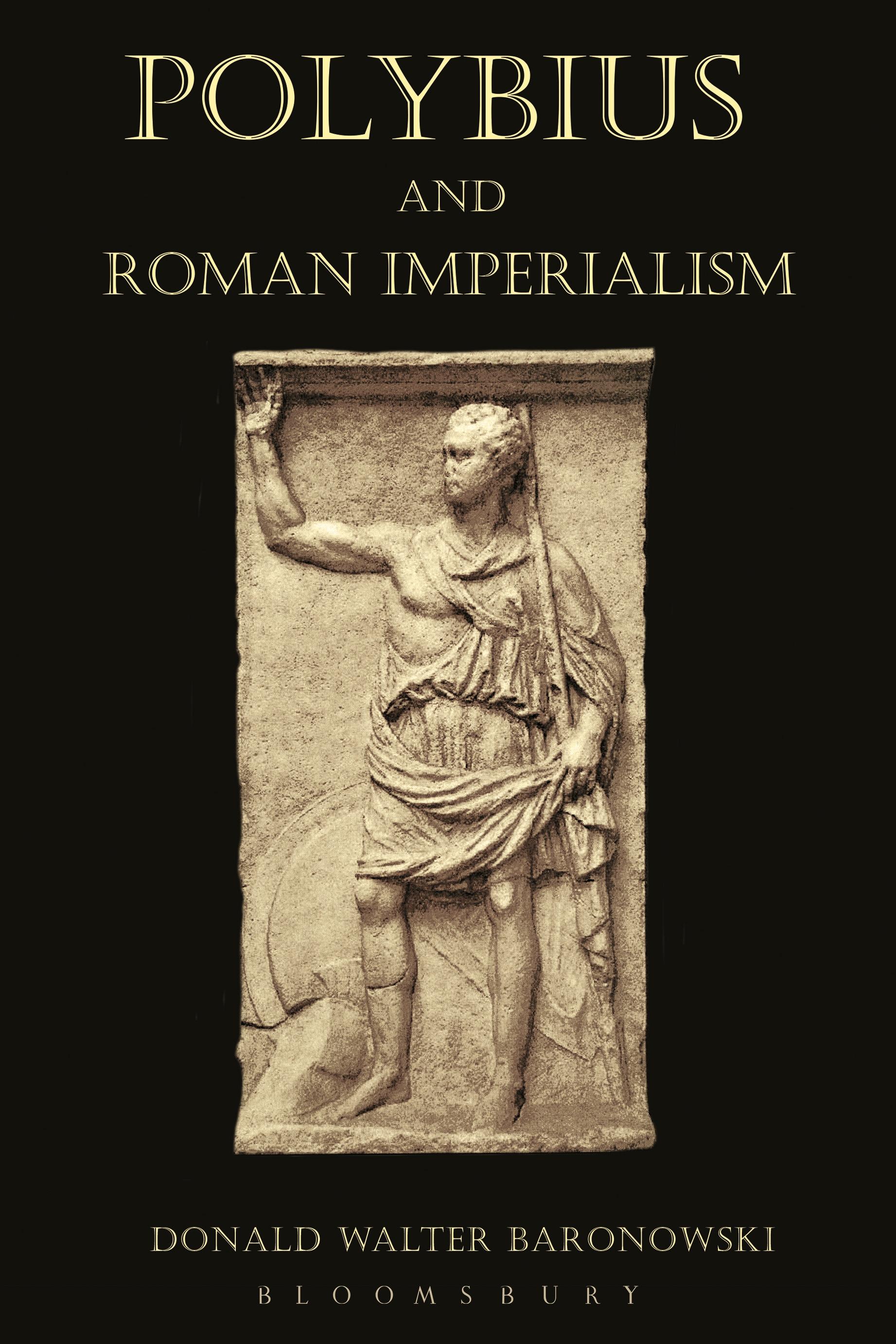
Polybius and Roman Imperialism explores in depth the complexity of the Greek historian Polybius'
views on the expansion of Roman power. Although he considered imperialism intrinsically noble, and both admired and supported Roman domination, Polybius also evinced detachment from the ruling power. This detachment came in different forms: personal, cultural, patriotic and cultural.
In general, he believed that the Romans cited morally acceptable pretexts for declaring war, observed justice in other aspects of foreign policy, and practised beneficence and moderation in their dealings with subject nations. Even with less than half of the original text surviving, the author reveals Polybius' personality and political philosophy.
views on the expansion of Roman power. Although he considered imperialism intrinsically noble, and both admired and supported Roman domination, Polybius also evinced detachment from the ruling power. This detachment came in different forms: personal, cultural, patriotic and cultural.
In general, he believed that the Romans cited morally acceptable pretexts for declaring war, observed justice in other aspects of foreign policy, and practised beneficence and moderation in their dealings with subject nations. Even with less than half of the original text surviving, the author reveals Polybius' personality and political philosophy.
Paga facilmente con carta, Klarna, Apple Pay o Google Pay. Non sei soddisfatto? Hai sempre 14 giorni per il rimborso. Leggi di più nei nostri termini. Per qualsiasi domanda, scrivici a hello@memmo.org.
Memmo rende lo studio più facile, ovunque tu sia nel mondo. Qui trovi i tuoi libri di testo e strumenti di studio intelligenti, tutto in un unico posto: riassunti, quiz, podcast e flashcard. E poi c'è Ted, il tuo compagno di studio che risponde a ogni tua domanda. Oltre 50.000 studenti studiano già qui: è stato creato per aiutarti a imparare più velocemente e a stressarti meno.