
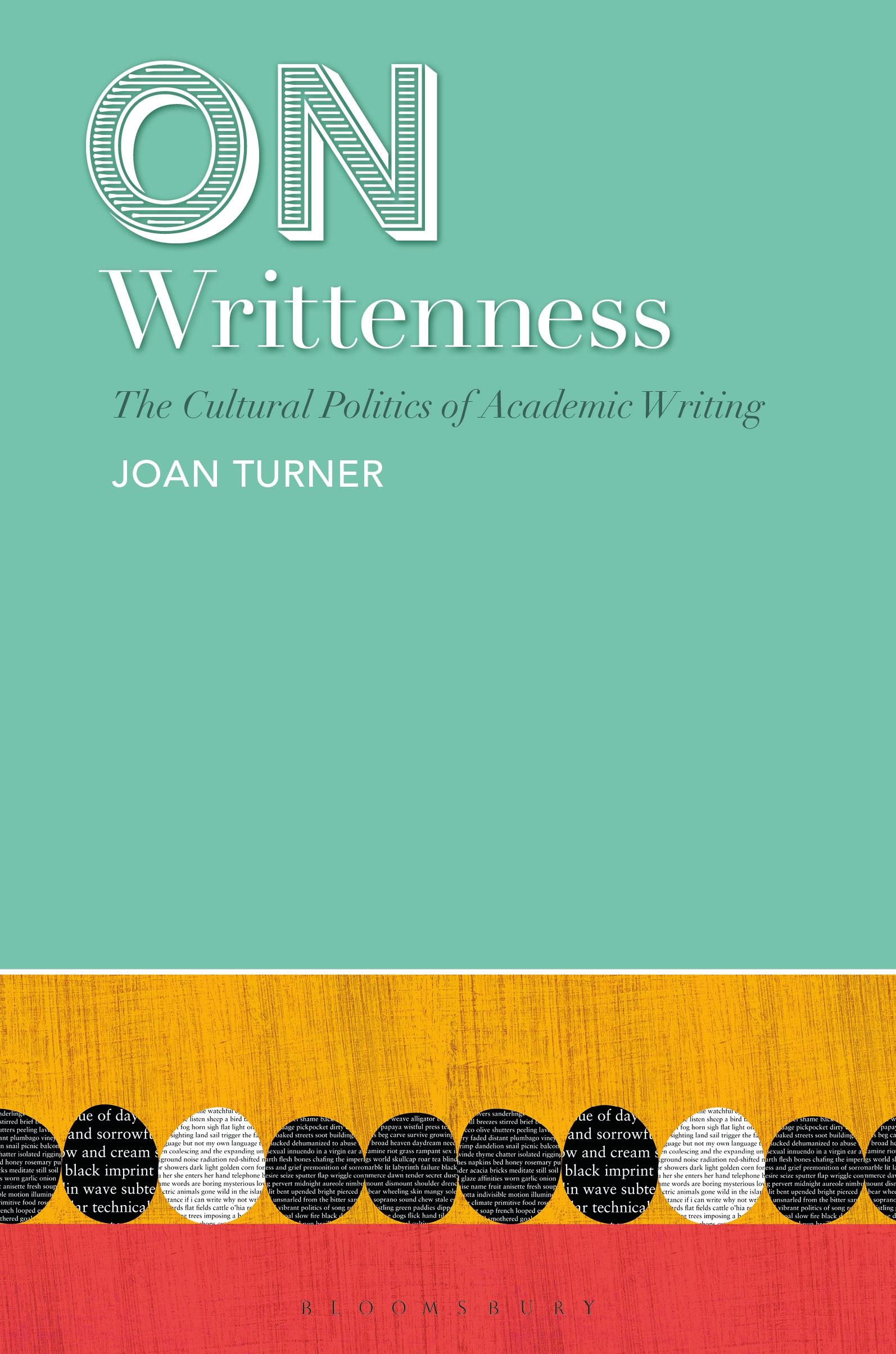
This book develops the concept of 'writtenness' (historically-formed stylistic and aesthetic values within writing) to highlight the demands, taken-for-granted ideals, institutional frictions, and changing circumstances of academic writing in English in the contemporary international university.
Recognising the political importance of the role that English plays in an increasingly internationalized higher education network, Joan Turner pits writtenness against the contingency and instability of international English in real-life institutional contexts. In doing so, she brings out the theoretical significance of this, as writing becomes a motor of linguistic change and can no longer be seen simply as the repository of academic standards.
Of particular interest to academics and postgraduates in TESOL, applied linguistics, rhetoric and composition, English as a Lingua Franca studies, and the sociolinguistics of writing, as well as to EAP practitioners, this book is among the first to theoretically consider the implications for the cultural homogeneity of the written word. It also offers a unique perspective on the role of writtenness within the broader historical context of leaving the era of print culture. As such, this book is highly recommended for students, researchers, and policy makers alike.
Recognising the political importance of the role that English plays in an increasingly internationalized higher education network, Joan Turner pits writtenness against the contingency and instability of international English in real-life institutional contexts. In doing so, she brings out the theoretical significance of this, as writing becomes a motor of linguistic change and can no longer be seen simply as the repository of academic standards.
Of particular interest to academics and postgraduates in TESOL, applied linguistics, rhetoric and composition, English as a Lingua Franca studies, and the sociolinguistics of writing, as well as to EAP practitioners, this book is among the first to theoretically consider the implications for the cultural homogeneity of the written word. It also offers a unique perspective on the role of writtenness within the broader historical context of leaving the era of print culture. As such, this book is highly recommended for students, researchers, and policy makers alike.
Paga facilmente con carta, Klarna, Apple Pay o Google Pay. Non sei soddisfatto? Hai sempre 14 giorni per il rimborso. Leggi di più nei nostri termini. Per qualsiasi domanda, scrivici a hello@memmo.org.
Memmo rende lo studio più facile, ovunque tu sia nel mondo. Qui trovi i tuoi libri di testo e strumenti di studio intelligenti, tutto in un unico posto: riassunti, quiz, podcast e flashcard. E poi c'è Ted, il tuo compagno di studio che risponde a ogni tua domanda. Oltre 50.000 studenti studiano già qui: è stato creato per aiutarti a imparare più velocemente e a stressarti meno.