
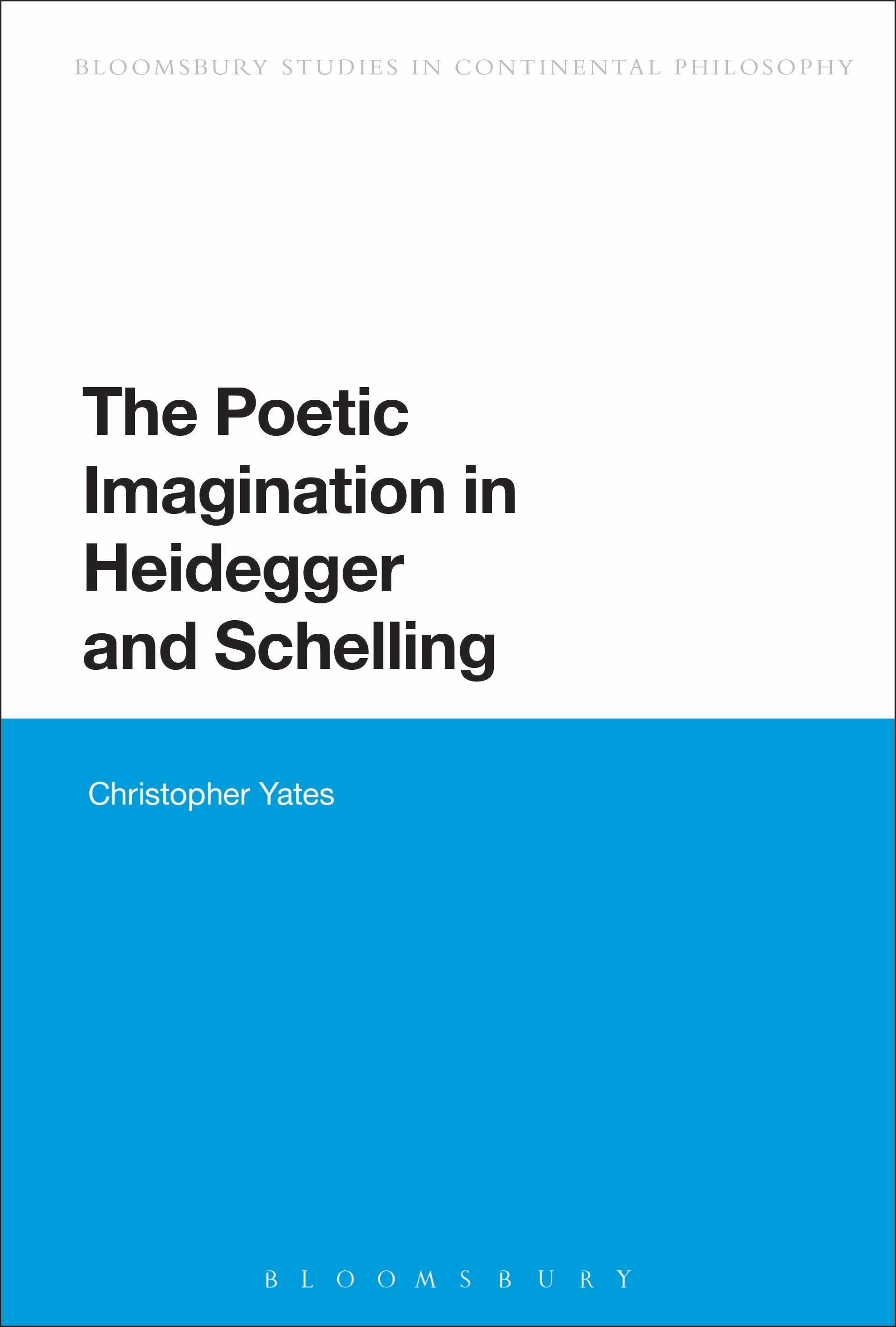
The imagination is a decisive, if underappreciated, theme in German thought since Kant. In this rigorous historical and textual analysis, Christopher Yates challenges an oversight of traditional readings by presenting the first comparative study of F.W.J. Schelling and Martin Heidegger on this theme.
By investigating the importance of the imagination in the thought of Schelling and Heidegger, Yates' study argues that Heidegger's later, more poetic, philosophy cannot be understood properly without appreciating Schelling's central importance for him. A key figure in post-Kantian German Idealism, Schelling's penetrating attention to the creative character of thought remains undervalued. Capturing the essential manner in which Heidegger's ontology and Schelling's idealism intersect, The Poetic Imagination in Heidegger and Schelling likewise presents an introduction to better understanding Heidegger's later thought. It reveals how his engagement with Schelling encouraged Heidegger to recover and refine the imagination as a poetic, as opposed to reductive and dogmatic, collaborator in the life of truth.
Tracing the theme of imagination in new readings of these major thinkers, Yates' study not only acknowledges Schelling's provocative place in post-Kantian German Idealism, but demonstrates as well the significance of Schelling's philosophical focus and style for Heidegger's own concentration on the creative vocation of human artistry and thought.
By investigating the importance of the imagination in the thought of Schelling and Heidegger, Yates' study argues that Heidegger's later, more poetic, philosophy cannot be understood properly without appreciating Schelling's central importance for him. A key figure in post-Kantian German Idealism, Schelling's penetrating attention to the creative character of thought remains undervalued. Capturing the essential manner in which Heidegger's ontology and Schelling's idealism intersect, The Poetic Imagination in Heidegger and Schelling likewise presents an introduction to better understanding Heidegger's later thought. It reveals how his engagement with Schelling encouraged Heidegger to recover and refine the imagination as a poetic, as opposed to reductive and dogmatic, collaborator in the life of truth.
Tracing the theme of imagination in new readings of these major thinkers, Yates' study not only acknowledges Schelling's provocative place in post-Kantian German Idealism, but demonstrates as well the significance of Schelling's philosophical focus and style for Heidegger's own concentration on the creative vocation of human artistry and thought.
Paga facilmente con carta, Klarna, Apple Pay o Google Pay. Non sei soddisfatto? Hai sempre 14 giorni per il rimborso. Leggi di più nei nostri termini. Per qualsiasi domanda, scrivici a hello@memmo.org.
Memmo rende lo studio più facile, ovunque tu sia nel mondo. Qui trovi i tuoi libri di testo e strumenti di studio intelligenti, tutto in un unico posto: riassunti, quiz, podcast e flashcard. E poi c'è Ted, il tuo compagno di studio che risponde a ogni tua domanda. Oltre 50.000 studenti studiano già qui: è stato creato per aiutarti a imparare più velocemente e a stressarti meno.