
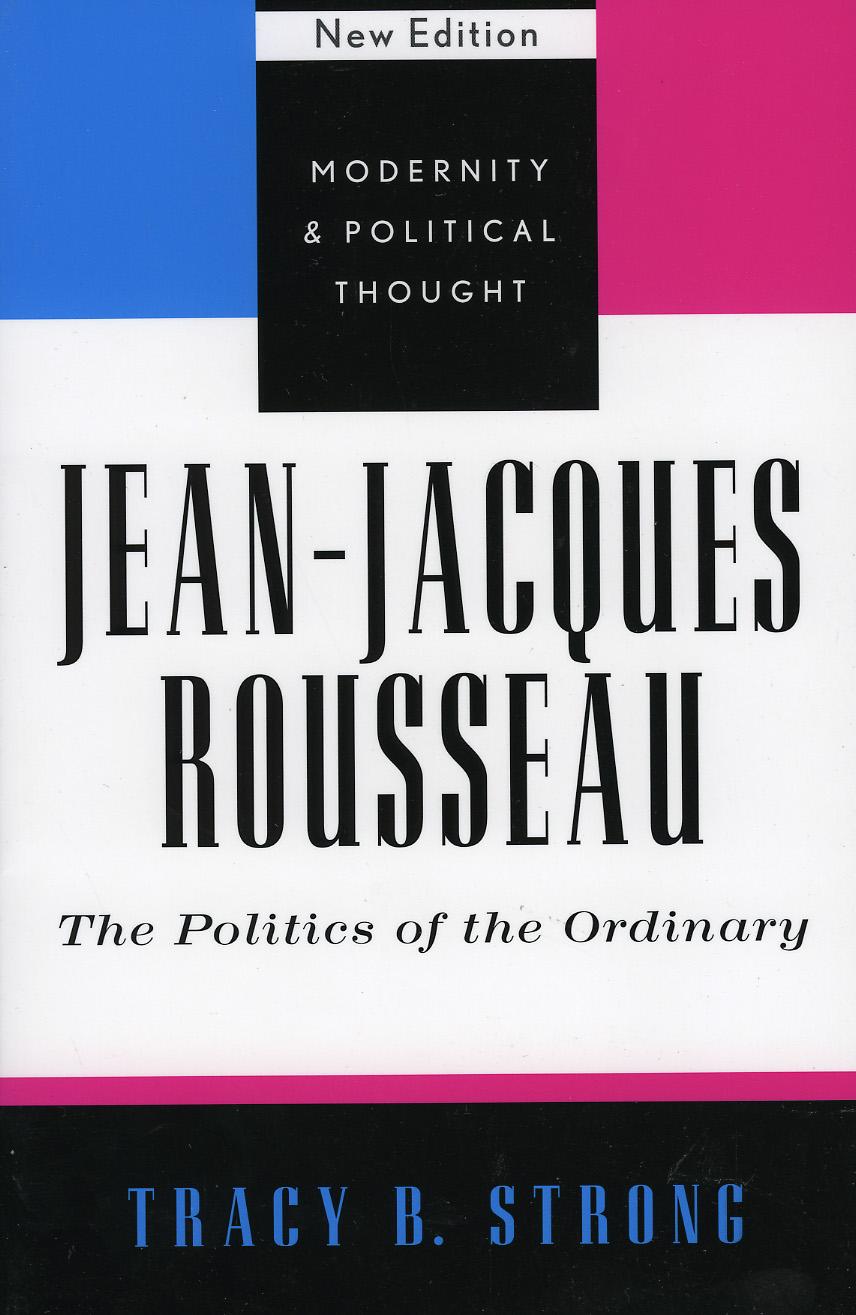
Rousseau is most often read either as a theorist of individual authenticity or as a communitarian. In this book, he is neither. Instead, Rousseau is understood as a theorist of the common person. In Strong's understanding, Rousseau's use of 'common' always refers both to that which is common and to that which is ordinary, vulgar, everyday. For Strong, Rousseau resonates with Kant, Hegel, and Marx, but he is more modern like Emerson, Nietzsche, Eittegenstein, and Heidegger. Rousseau's democratic individual is an ordinary self, paradoxically multiple and not singular. In the course of exploring this contention, Strong examines Rousseau's fear of authorship (though not of authority), his understanding of the human, his attempt to overcome the scandal that relativism posed for politics, and the political importance of sexuality.
Paga facilmente con carta, Klarna, Apple Pay o Google Pay. Non sei soddisfatto? Hai sempre 14 giorni per il rimborso. Leggi di più nei nostri termini. Per qualsiasi domanda, scrivici a hello@memmo.org.
Memmo rende lo studio più facile, ovunque tu sia nel mondo. Qui trovi i tuoi libri di testo e strumenti di studio intelligenti, tutto in un unico posto: riassunti, quiz, podcast e flashcard. E poi c'è Ted, il tuo compagno di studio che risponde a ogni tua domanda. Oltre 50.000 studenti studiano già qui: è stato creato per aiutarti a imparare più velocemente e a stressarti meno.