
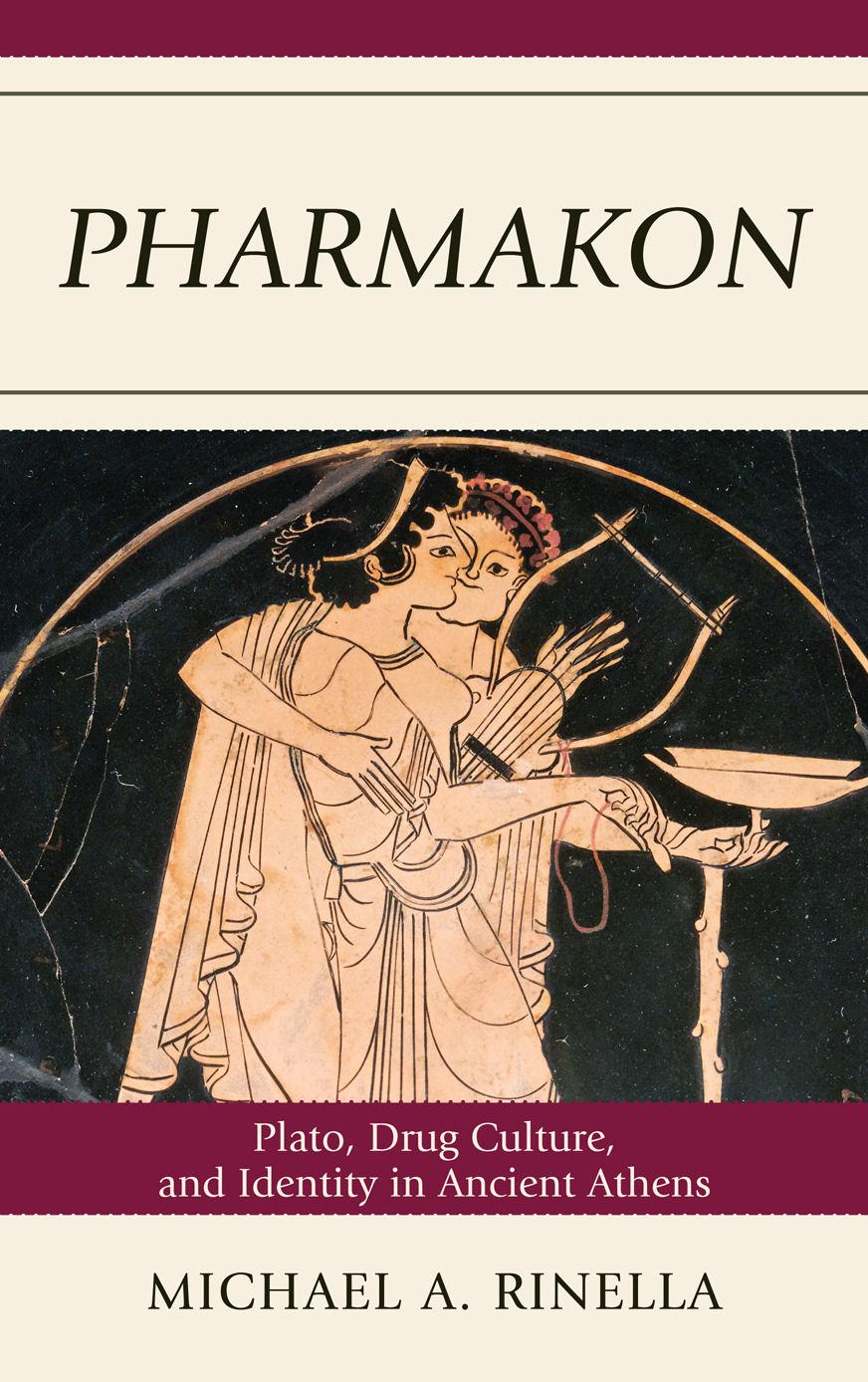
Pharmakon: Plato, Drug Culture, and Identity in Ancient Athens examines the emerging concern for controlling states of psychological ecstasy in the history of western thought, focusing on ancient Greece (c. 750 - 146 BCE), particularly the Classical Period (c. 500 - 336 BCE) and especially the dialogues of the Athenian philosopher Plato (427 - 347 BCE).
Employing a diverse array of materials ranging from literature, philosophy, medicine, botany, pharmacology, religion, magic, and law, Pharmakon fundamentally reframes the conceptual context of how we read and interpret Plato's dialogues. Michael A. Rinella demonstrates how the power and truth claims of philosophy, repeatedly likened to a pharmakon, opposes itself to the cultural authority of a host of other occupations in ancient Greek society who derived their powers from, or likened their authority to, some pharmakon. These included Dionysian and Eleusinian religion, physicians and other healers, magicians and other magic workers, poets, sophists, rhetoricians, as well as others.
Accessible to the general reader, yet challenging to the specialist, Pharmakon is a comprehensive examination of the place of drugs in ancient thought that will compel the reader to understand Plato in a new way.
Employing a diverse array of materials ranging from literature, philosophy, medicine, botany, pharmacology, religion, magic, and law, Pharmakon fundamentally reframes the conceptual context of how we read and interpret Plato's dialogues. Michael A. Rinella demonstrates how the power and truth claims of philosophy, repeatedly likened to a pharmakon, opposes itself to the cultural authority of a host of other occupations in ancient Greek society who derived their powers from, or likened their authority to, some pharmakon. These included Dionysian and Eleusinian religion, physicians and other healers, magicians and other magic workers, poets, sophists, rhetoricians, as well as others.
Accessible to the general reader, yet challenging to the specialist, Pharmakon is a comprehensive examination of the place of drugs in ancient thought that will compel the reader to understand Plato in a new way.
Paga facilmente con carta, Klarna, Apple Pay o Google Pay. Non sei soddisfatto? Hai sempre 14 giorni per il rimborso. Leggi di più nei nostri termini. Per qualsiasi domanda, scrivici a hello@memmo.org.
Memmo rende lo studio più facile, ovunque tu sia nel mondo. Qui trovi i tuoi libri di testo e strumenti di studio intelligenti, tutto in un unico posto: riassunti, quiz, podcast e flashcard. E poi c'è Ted, il tuo compagno di studio che risponde a ogni tua domanda. Oltre 50.000 studenti studiano già qui: è stato creato per aiutarti a imparare più velocemente e a stressarti meno.