
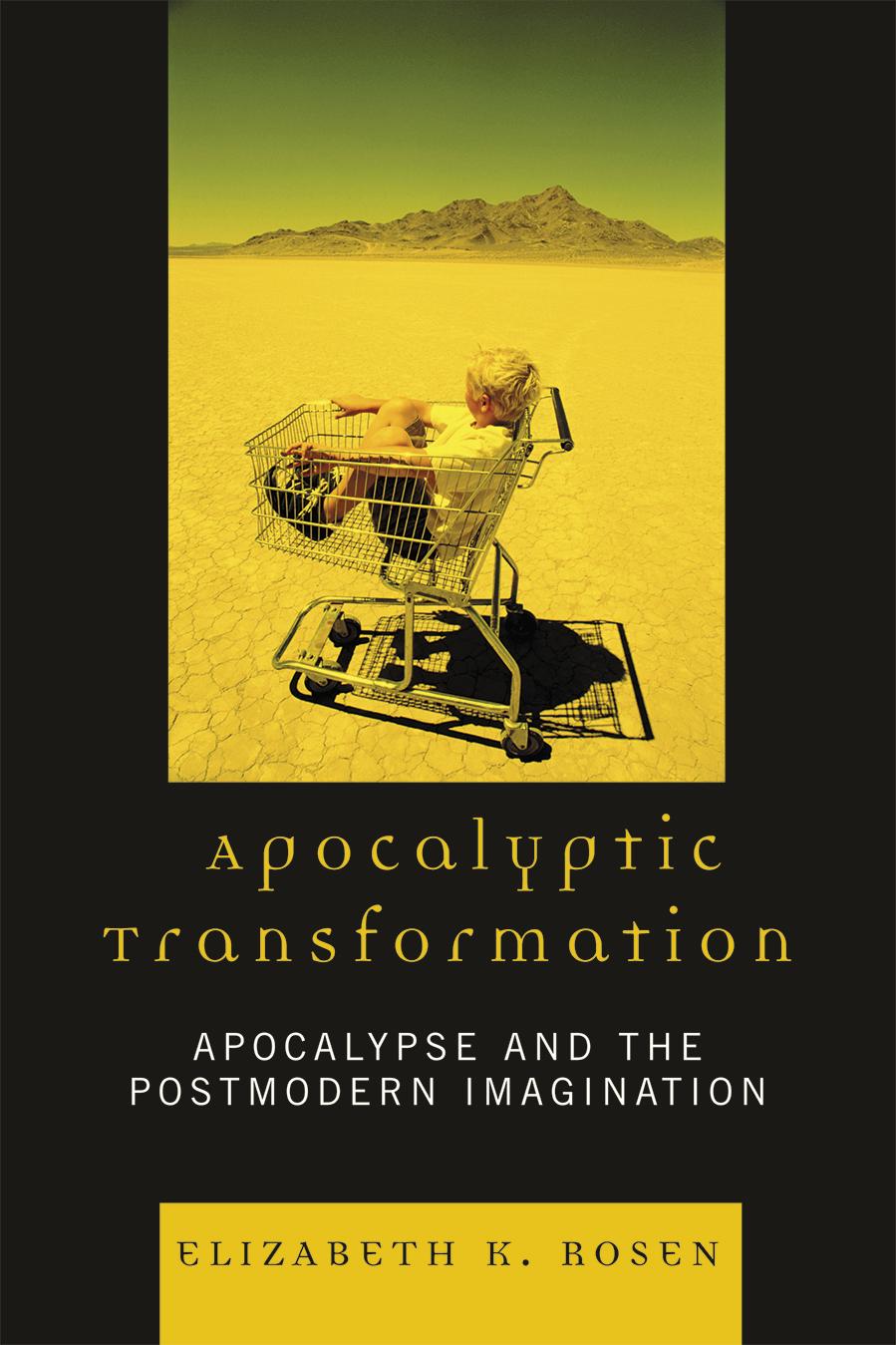
Since its inception, the story of the apocalypse has been used as a means by which to understand the world and one's place in it. The appeal of the apocalyptic myth is largely rooted in its ability to make sense of instances of crisis by incorporating those crises into a larger plan for history and an end of time that God has planned. Apocalypse is both an organizing principle to be imposed on an overwhelming, seemingly-disordered universe and a fundamentally moral story which offers hope of a new world where good and evil can be clearly delineated and addressed. But all of the traditional functions and comforts of the apocalyptic myth are challenged when the myth collides with postmodernism. The characteristics that define a work as postmodern ultimately destabilize the traits that make the apocalyptic myth unique. Using the work of Terry Gilliam, Don DeLillo, Kurt Vonnegut, and other writers in the genre, Apocalyptic Transformation examines the collision of the postmodern mode and the apocalyptic myth, explores the process of secularizing this religious story and the reasons for doing so, and asks the question: What happens when an author undermines the grand narrative of the apocalypse?
Paga facilmente con carta, Klarna, Apple Pay o Google Pay. Non sei soddisfatto? Hai sempre 14 giorni per il rimborso. Leggi di più nei nostri termini. Per qualsiasi domanda, scrivici a hello@memmo.org.
Memmo rende lo studio più facile, ovunque tu sia nel mondo. Qui trovi i tuoi libri di testo e strumenti di studio intelligenti, tutto in un unico posto: riassunti, quiz, podcast e flashcard. E poi c'è Ted, il tuo compagno di studio che risponde a ogni tua domanda. Oltre 50.000 studenti studiano già qui: è stato creato per aiutarti a imparare più velocemente e a stressarti meno.