
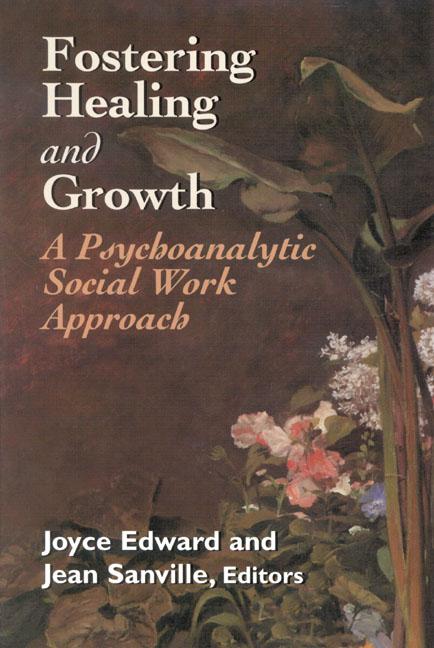
Wherever contemporary therapists offer treatment, whether in social agencies or clinics, in outpatient or inpatient services, or even in private practice, they are likely to find themselves increasingly working with people whose histories are characterized by deprivation and repeated trauma–experiences that have left them feeling damaged, often short of basic trust in others, and lacking confidence in themselves. These people have tended to be seen as beyond the pale for psychoanalytically oriented treatment. The contributors to this volume would disabuse us of such a prejudiced opinion. They proceed to demonstrate the enormous value of psychodynamic perspectives with a varied clientele, many of whom in the past might have been deemed "untreatable." And they do this by sharing with readers the stories of their attempts to work with persons of diverse cultural, ethnic, and racial groups who come with complaints that point to severe psychopathologies.
In each of the twenty-three stories, we are afforded a glimpse of the two actors in the drama as they meet and size up one another, negotiate and renegotiate their agreement to collaborate, work through and play through the shifting positive and negative transferences and countertransferences toward a working relationship, experience both frustrations and triumphs as they persevere in attempts to promote healing and growth. These are exciting narratives, documenting the ethic that underlies the psychoanalytic vision and the animation that it affords both participants.
In each of the twenty-three stories, we are afforded a glimpse of the two actors in the drama as they meet and size up one another, negotiate and renegotiate their agreement to collaborate, work through and play through the shifting positive and negative transferences and countertransferences toward a working relationship, experience both frustrations and triumphs as they persevere in attempts to promote healing and growth. These are exciting narratives, documenting the ethic that underlies the psychoanalytic vision and the animation that it affords both participants.
Paga facilmente con carta, Klarna, Apple Pay o Google Pay. Non sei soddisfatto? Hai sempre 14 giorni per il rimborso. Leggi di più nei nostri termini. Per qualsiasi domanda, scrivici a hello@memmo.org.
Memmo rende lo studio più facile, ovunque tu sia nel mondo. Qui trovi i tuoi libri di testo e strumenti di studio intelligenti, tutto in un unico posto: riassunti, quiz, podcast e flashcard. E poi c'è Ted, il tuo compagno di studio che risponde a ogni tua domanda. Oltre 50.000 studenti studiano già qui: è stato creato per aiutarti a imparare più velocemente e a stressarti meno.