
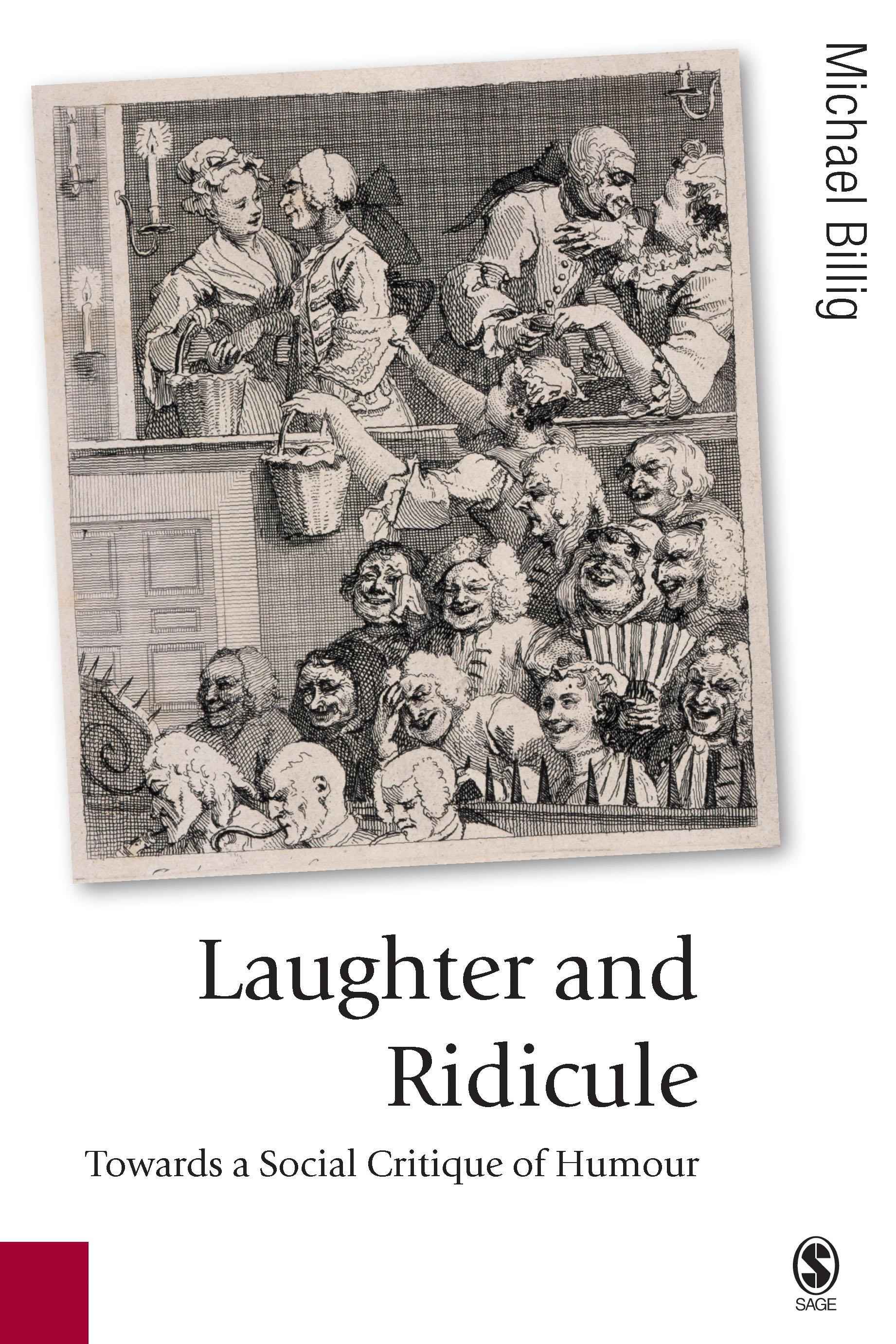
This delightful book tackles the prevailing assumption that laughter and humour are inherently good. In developing a critique of humour the author proposes a social theory that places humour - in the form of ridicule - as central to social life. Billig argues that all cultures use ridicule as a disciplinary means to uphold norms of conduct and conventions of meaning.
Historically, theories of humour reflect wider visions of politics, morality and aesthetics. For example, Bergson argued that humour contains an element of cruelty while Freud suggested that we deceive ourselves about the true nature of our laughter. Billig discusses these and other theories, while using the topic of humour to throw light on the perennial social problems of regulation, control and emancipation.
Paga facilmente con carta, Klarna, Apple Pay o Google Pay. Non sei soddisfatto? Hai sempre 14 giorni per il rimborso. Leggi di più nei nostri termini. Per qualsiasi domanda, scrivici a hello@memmo.org.
Memmo rende lo studio più facile, ovunque tu sia nel mondo. Qui trovi i tuoi libri di testo e strumenti di studio intelligenti, tutto in un unico posto: riassunti, quiz, podcast e flashcard. E poi c'è Ted, il tuo compagno di studio che risponde a ogni tua domanda. Oltre 50.000 studenti studiano già qui: è stato creato per aiutarti a imparare più velocemente e a stressarti meno.