
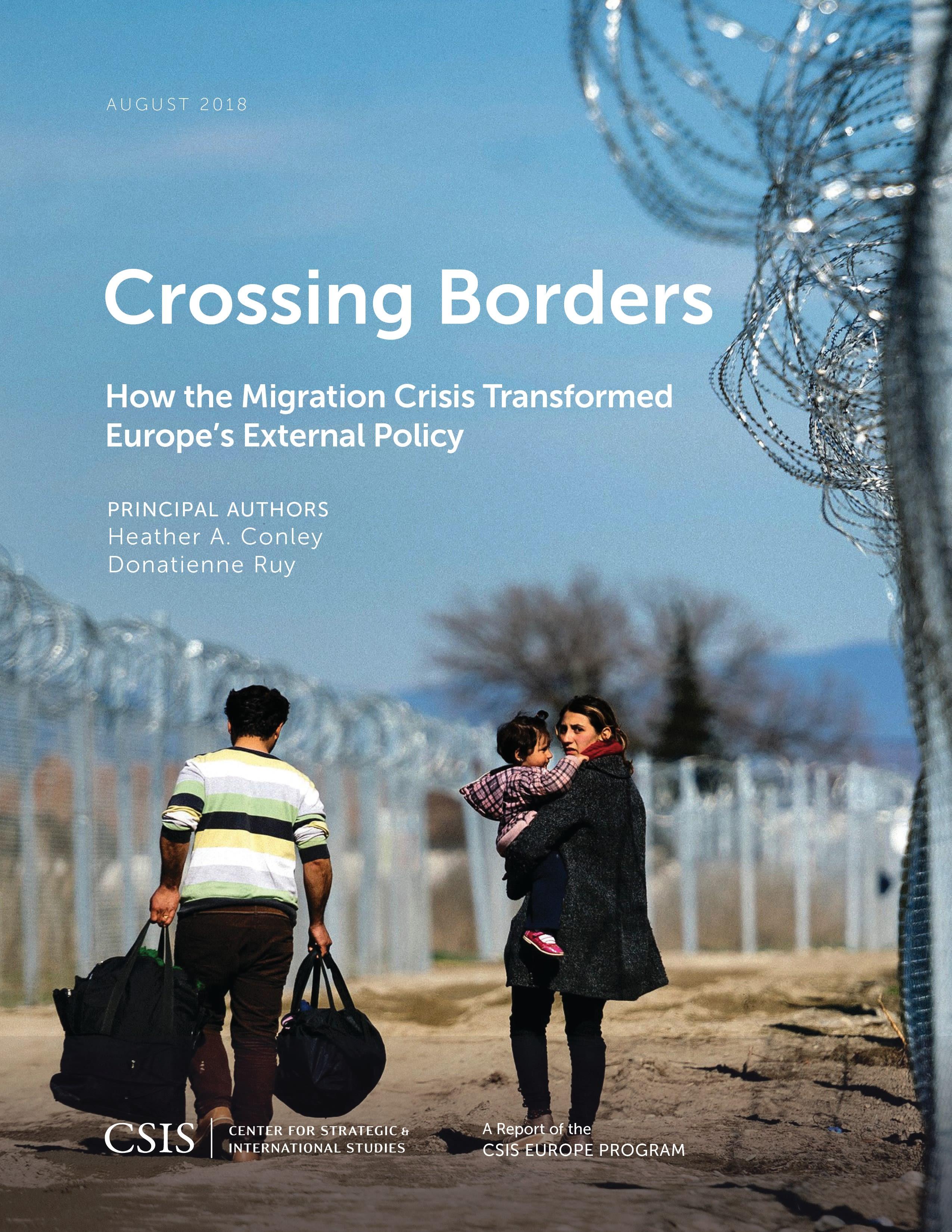
In recent years, Europe has seen its largest influx of migrants and refugees in decades, with 1.9 million arrivals to the continent between 2014 and 2017. Peak arrivals in 2015, and sustained flows since then, have found the European Union and its 28 member states unable to face what has been called the “European migration crisis.” Part of their response has focused on cooperation with third countries of transit or origin, by leveraging development, humanitarian, and foreign policy tools to try and reduce migrant flows to Europe, including through many funding and budgetary decisions. This report attempts to quantify, through budgetary analysis, what shifts occurred in the external dimension of Europe’s migration policy following the crisis, and in three member states (Germany, Sweden, and the Netherlands). These short-term shifts, representing policy priorities, carry long-term consequences for the European Union’s role as a foreign policy and soft power actor.
Paga facilmente con carta, Klarna, Apple Pay o Google Pay. Non sei soddisfatto? Hai sempre 14 giorni per il rimborso. Leggi di più nei nostri termini. Per qualsiasi domanda, scrivici a hello@memmo.org.
Memmo rende lo studio più facile, ovunque tu sia nel mondo. Qui trovi i tuoi libri di testo e strumenti di studio intelligenti, tutto in un unico posto: riassunti, quiz, podcast e flashcard. E poi c'è Ted, il tuo compagno di studio che risponde a ogni tua domanda. Oltre 50.000 studenti studiano già qui: è stato creato per aiutarti a imparare più velocemente e a stressarti meno.