
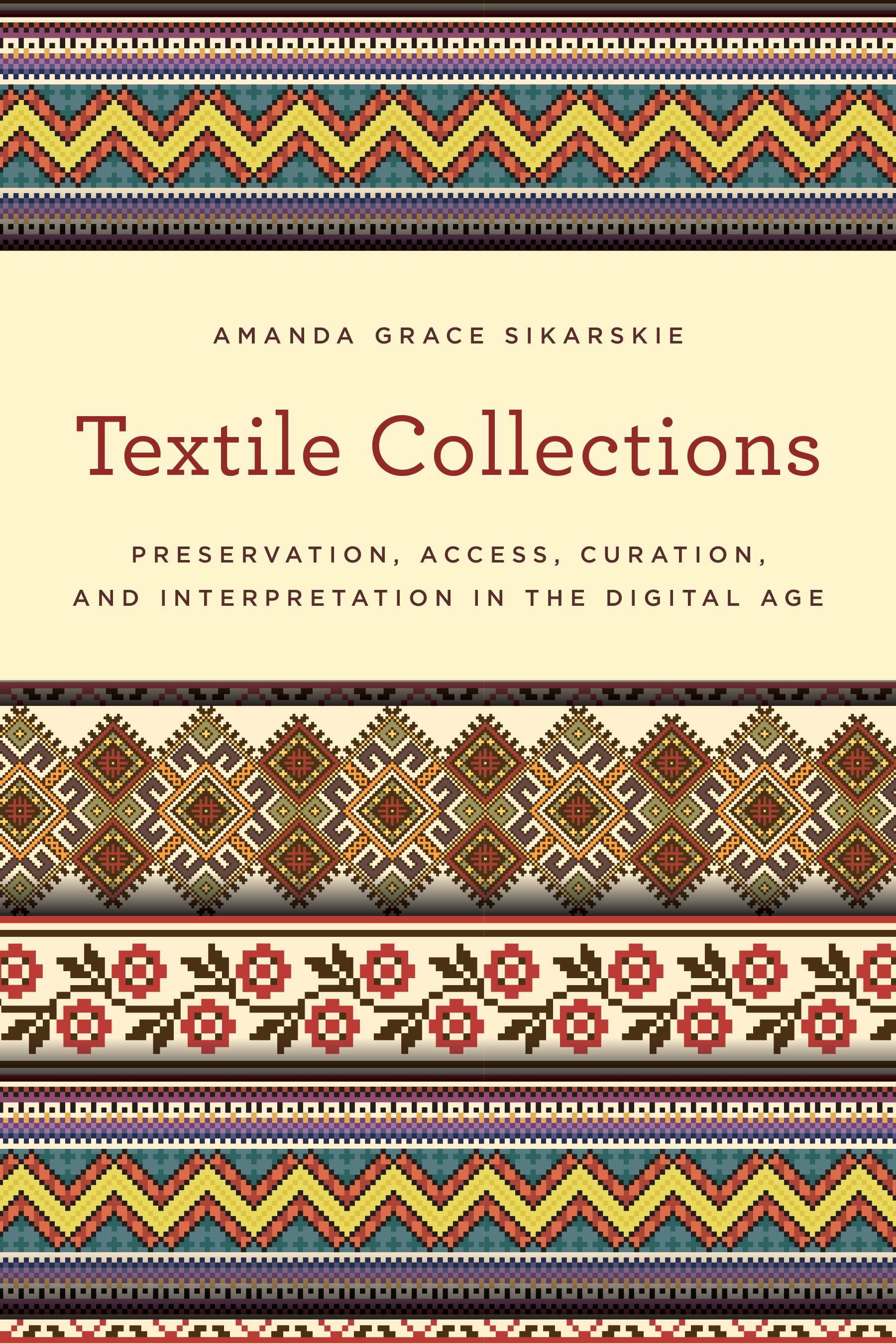
Collections of textiles—historic costume, quilts, needlework samplers, and the like—have benefited greatly from the digital turn in museum and archival work. Both institutional online repositories and collections-based social media sites have fostered unprecedented access to textile collections that have traditionally been marginalized in museums. How can curators, interpreters, and collections managers make best use of these new opportunities?
To answer this question, the author worked with sites including the Great Lakes Quilt Center at the Michigan State University Museum, the Design Center at Philadelphia University, the International Quilt Study Center and Museum at the University of Nebraska-Lincoln, and the WGBH Boston Media Library and Archives, as well as user-curated social sites online such as Tumblr and Polyvore, to create four compelling case studies on the preservation, access, curation, and interpretation of textile objects.
The book explores:
The nature of digital material culture. The role of audience participation versus curatorial authority online.Audience-friendly collections metadata and tagging. Visual, rather than text-based, searching and cataloging.The legality of ownership and access of museum collections online.Gender equity in museums and archives.
This book is essential reading for anyone who cares for, collects, exhibits, or interprets historic costume or textile collections, but its broad implications for the future of museum work make it relevant for anyone with an interest in museum work online. And because the focus of this volume is theory and praxis, rather than specific technologies that are likely to become obsolete, it will be staple on your bookshelf for years to come.
To answer this question, the author worked with sites including the Great Lakes Quilt Center at the Michigan State University Museum, the Design Center at Philadelphia University, the International Quilt Study Center and Museum at the University of Nebraska-Lincoln, and the WGBH Boston Media Library and Archives, as well as user-curated social sites online such as Tumblr and Polyvore, to create four compelling case studies on the preservation, access, curation, and interpretation of textile objects.
The book explores:
The nature of digital material culture. The role of audience participation versus curatorial authority online.Audience-friendly collections metadata and tagging. Visual, rather than text-based, searching and cataloging.The legality of ownership and access of museum collections online.Gender equity in museums and archives.
This book is essential reading for anyone who cares for, collects, exhibits, or interprets historic costume or textile collections, but its broad implications for the future of museum work make it relevant for anyone with an interest in museum work online. And because the focus of this volume is theory and praxis, rather than specific technologies that are likely to become obsolete, it will be staple on your bookshelf for years to come.
Paga facilmente con carta, Klarna, Apple Pay o Google Pay. Non sei soddisfatto? Hai sempre 14 giorni per il rimborso. Leggi di più nei nostri termini. Per qualsiasi domanda, scrivici a hello@memmo.org.
Memmo rende lo studio più facile, ovunque tu sia nel mondo. Qui trovi i tuoi libri di testo e strumenti di studio intelligenti, tutto in un unico posto: riassunti, quiz, podcast e flashcard. E poi c'è Ted, il tuo compagno di studio che risponde a ogni tua domanda. Oltre 50.000 studenti studiano già qui: è stato creato per aiutarti a imparare più velocemente e a stressarti meno.