
The judgment that Abraham Lincoln is the finest president in the history of the United States borders on self-evident. This status tends to disable the very possibility of a more critical understanding or appreciation, one that does not work, explicitly or implicitly, within the taken-for-granted frame of his greatness.
Still, America is not blind to or ignorant of Lincoln’s shortcomings. Rather it is in part because of these shortcomings that Lincoln is revered. Thus, if the country needs to legitimize a problematic course of action, it is Lincoln to whom it turns. Lincoln, America reminds itself, suspended habeas corpus; jailed political opponents; suppressed speech; held racist views; and pursued racist policies. The Lincoln that America “idealizes” is a thoroughly ambiguous figure. Simultaneously, the country tends to downplay or conveniently overlook the underside of Lincoln, part of a larger political pattern in which it proclaims its exceptionalism while indulging the very worst as it conducts its political affairs. It is time to take Lincoln’s ambiguity seriously, which might put America in position to recognize that one reason it routinely falls short of its democratic principles and commitments is that it may not, just like Lincoln, fully believe in them.
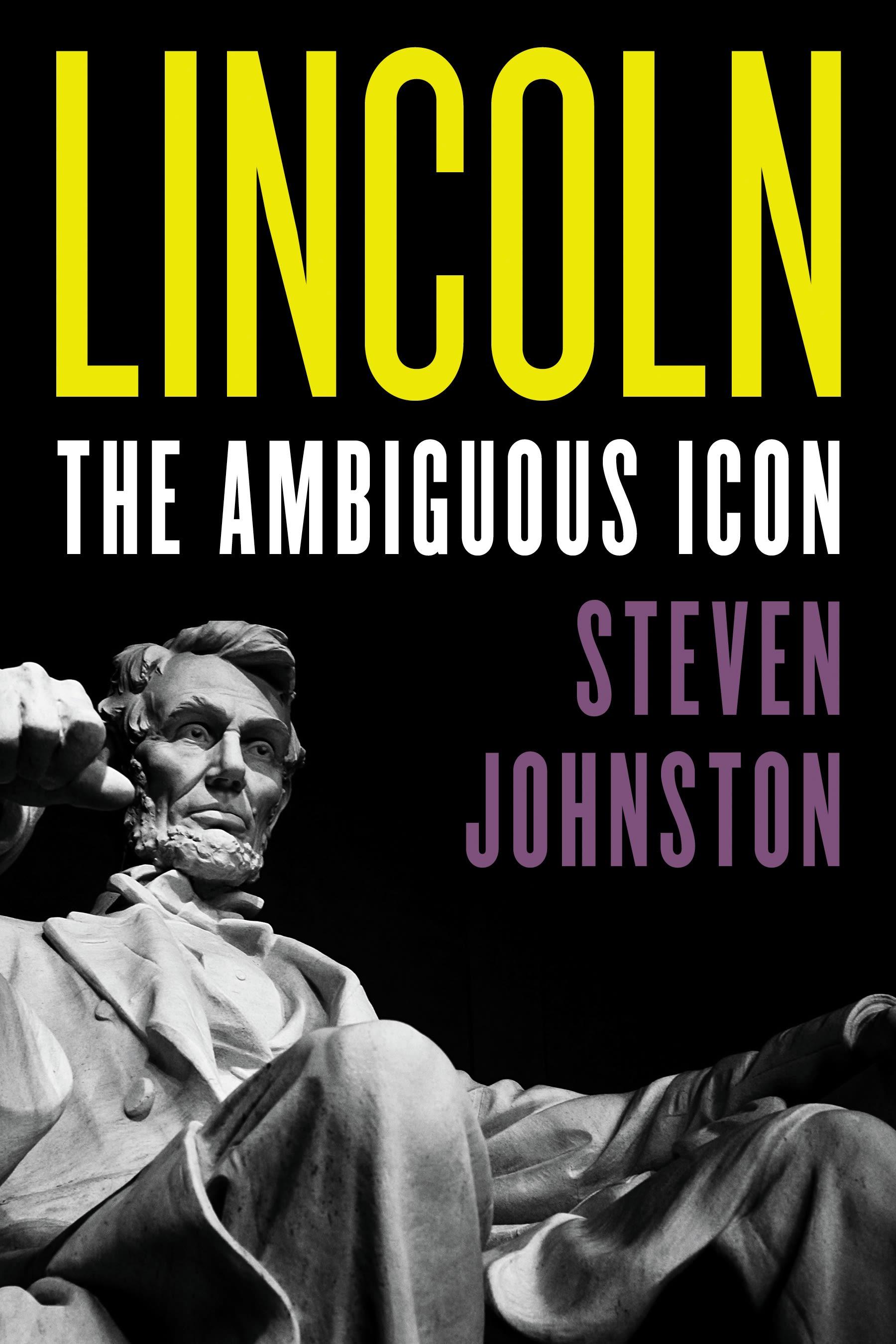
In Lincoln: The Ambiguous Icon, Steven Johnston explores Lincoln’s complicated political thought and practice, reinterpreting the Gettysburg Address, the Second Inaugural, and some of the many manifestations of Lincoln in film, monuments, and memorials that conceal—but also reveal—the terrible ambiguity of this marginally understood American figure.
Still, America is not blind to or ignorant of Lincoln’s shortcomings. Rather it is in part because of these shortcomings that Lincoln is revered. Thus, if the country needs to legitimize a problematic course of action, it is Lincoln to whom it turns. Lincoln, America reminds itself, suspended habeas corpus; jailed political opponents; suppressed speech; held racist views; and pursued racist policies. The Lincoln that America “idealizes” is a thoroughly ambiguous figure. Simultaneously, the country tends to downplay or conveniently overlook the underside of Lincoln, part of a larger political pattern in which it proclaims its exceptionalism while indulging the very worst as it conducts its political affairs. It is time to take Lincoln’s ambiguity seriously, which might put America in position to recognize that one reason it routinely falls short of its democratic principles and commitments is that it may not, just like Lincoln, fully believe in them.
In Lincoln: The Ambiguous Icon, Steven Johnston explores Lincoln’s complicated political thought and practice, reinterpreting the Gettysburg Address, the Second Inaugural, and some of the many manifestations of Lincoln in film, monuments, and memorials that conceal—but also reveal—the terrible ambiguity of this marginally understood American figure.
Paga facilmente con carta, Klarna, Apple Pay o Google Pay. Non sei soddisfatto? Hai sempre 14 giorni per il rimborso. Leggi di più nei nostri termini. Per qualsiasi domanda, scrivici a hello@memmo.org.
Memmo rende lo studio più facile, ovunque tu sia nel mondo. Qui trovi i tuoi libri di testo e strumenti di studio intelligenti, tutto in un unico posto: riassunti, quiz, podcast e flashcard. E poi c'è Ted, il tuo compagno di studio che risponde a ogni tua domanda. Oltre 50.000 studenti studiano già qui: è stato creato per aiutarti a imparare più velocemente e a stressarti meno.