
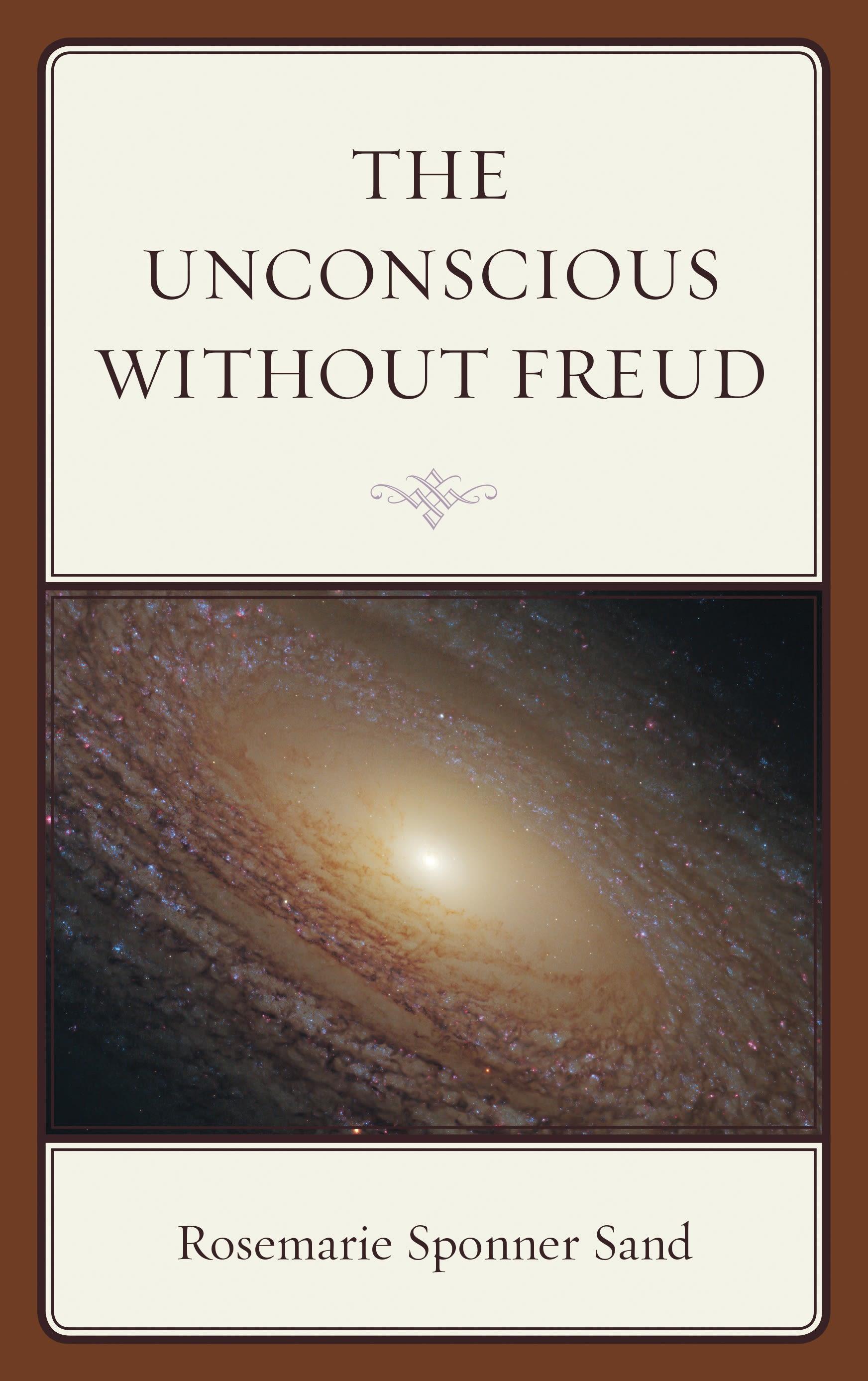
During the first ten years of his career in psychological medicine, Sigmund Freud espoused a theory of unconsciousness which predated his own. As Rosemarie Sand describes in The Unconscious without Freud, he would evolve this theory over the course of his career and eventually apply it to his own psychological practice. Once Freud's hypothesis of unconscious mental functioning was published, the same professionals who had valued the traditional concept turned against what they considered to be a catastrophic, logically indefensible revision. The scientific investigation of unconscious influences was retarded for decades as a war zone opened between implacable opponents and intransigent defenders of the Freudian concept of unconscious mind. In the din of this battle, the traditional theory, free of the features which Freud's foes could not accept, was forgotten. Sand argues that a return to this original theory, which psychotherapists and experimenters might both espouse, could contribute to a cessation of hostilities and lead to the peaceful development of a theory of the unconscious—one that is free from the stigma that is currently attached to Freudian theory.
Paga facilmente con carta, Klarna, Apple Pay o Google Pay. Non sei soddisfatto? Hai sempre 14 giorni per il rimborso. Leggi di più nei nostri termini. Per qualsiasi domanda, scrivici a hello@memmo.org.
Memmo rende lo studio più facile, ovunque tu sia nel mondo. Qui trovi i tuoi libri di testo e strumenti di studio intelligenti, tutto in un unico posto: riassunti, quiz, podcast e flashcard. E poi c'è Ted, il tuo compagno di studio che risponde a ogni tua domanda. Oltre 50.000 studenti studiano già qui: è stato creato per aiutarti a imparare più velocemente e a stressarti meno.