
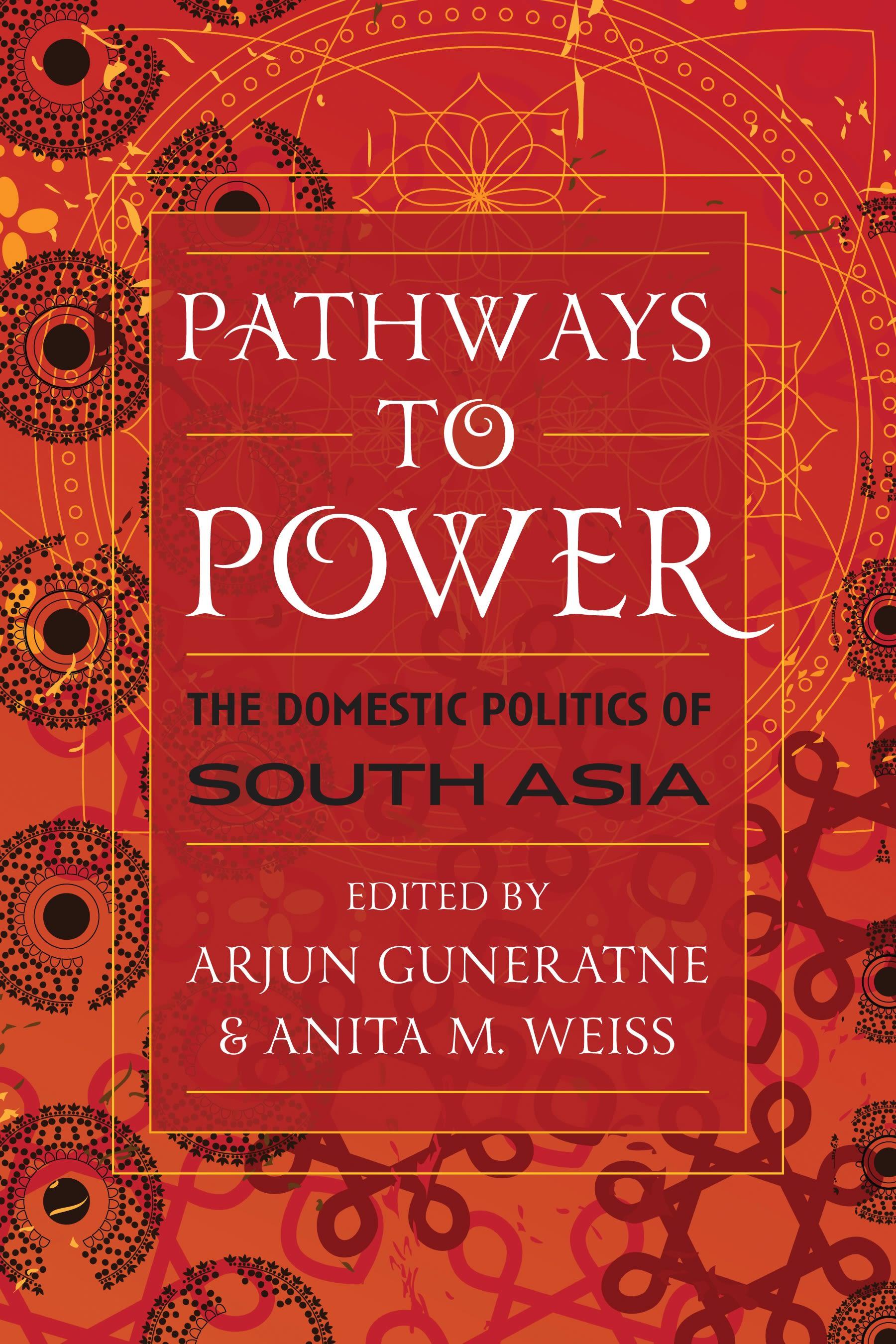
Pathways to Power introduces the domestic politics of South Asia in their broadest possible context, studying ongoing transformative social processes grounded in cultural forms. In doing so, it reveals the interplay between politics, cultural values, human security, and historical luck. While these are important correlations everywhere, nowhere are they more compelling than in South Asia where such dynamic interchanges loom large on a daily basis. Identity politics—not just of religion but also of caste, ethnicity, regionalism, and social class—infuses all aspects of social and political life in the sub-continent. Recognizing this complex interplay, this volume moves beyond conventional views of South Asian politics as it explicitly weaves the connections between history, culture, and social values into its examination of political life.
South Asia is one of the world’s most important geopolitical areas and home to nearly one and a half billion people. Although many of the poorest people in the world live in this region, it is home also to a rapidly growing middle class wielding much economic power. India, Pakistan, and Bangladesh, together the successor states to the British Indian Empire—the Raj—form the core of South Asia, along with two smaller states on its periphery: landlocked Nepal and the island state of Sri Lanka. Many factors bring together the disparate countries of the region into important engagements with one another, forming an uneasy regional entity.
Contributions by: Arjun Guneratne, Christophe Jaffrelot, Pratyoush Onta, Haroun er Rashid, Seira Tamang, Shabnum Tejani, and Anita M. Weiss
South Asia is one of the world’s most important geopolitical areas and home to nearly one and a half billion people. Although many of the poorest people in the world live in this region, it is home also to a rapidly growing middle class wielding much economic power. India, Pakistan, and Bangladesh, together the successor states to the British Indian Empire—the Raj—form the core of South Asia, along with two smaller states on its periphery: landlocked Nepal and the island state of Sri Lanka. Many factors bring together the disparate countries of the region into important engagements with one another, forming an uneasy regional entity.
Contributions by: Arjun Guneratne, Christophe Jaffrelot, Pratyoush Onta, Haroun er Rashid, Seira Tamang, Shabnum Tejani, and Anita M. Weiss
Pagine: 428
Categoria: Statsvetenskap & Politik
e-ISBN: 9781442225992
Peso di spedizione: 1.2 kg
Spedito in: 1-2 giorni
Paga facilmente con carta, Klarna, Apple Pay o Google Pay. Non sei soddisfatto? Hai sempre 14 giorni per il rimborso. Leggi di più nei nostri termini. Per qualsiasi domanda, scrivici a hello@memmo.org.
Memmo rende lo studio più facile, ovunque tu sia nel mondo. Qui trovi i tuoi libri di testo e strumenti di studio intelligenti, tutto in un unico posto: riassunti, quiz, podcast e flashcard. E poi c'è Ted, il tuo compagno di studio che risponde a ogni tua domanda. Oltre 50.000 studenti studiano già qui: è stato creato per aiutarti a imparare più velocemente e a stressarti meno.