
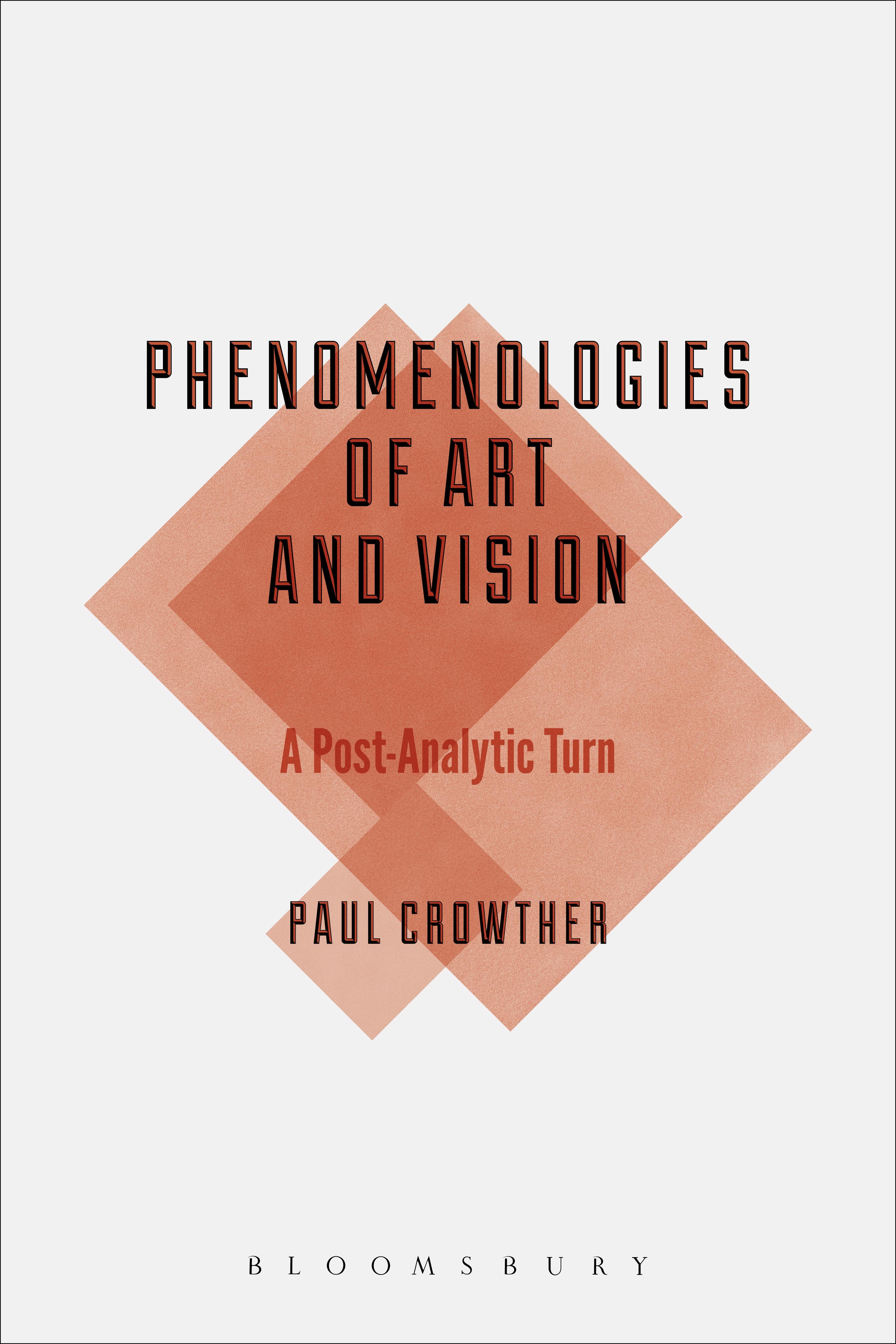
Contemporary
discussions of the image like to emphasize art's societal functions. Few
studies come close to answering why pictures and sculptures fascinate and
intrigue regardless of any practical functions they might serve. In this
original, thought-provoking study, Paul Crowther reveals the intrinsic
significance of pictures and sculptures.
To address the
question of how painting becomes an art, Crowther uses the analytic philosophy
of Richard Wollheim as a starting point. But to sufficiently answer the
question, he makes an important link to a tradition much more successful in
giving voice to the deeper ontology of visual art - existential phenomenology.
The result is a work that demonstrates the
reciprocal relationship between phenomenology and analytic aesthetics. To
expand its ontological scope and solve the problem of expression, analytic aesthetics
needs phenomenology; while to develop a sustained, critically balanced, and
intellectually available ontology, phenomenology needs the discursive force and
lucidity of analytic philosophy. This convincing case for a post-analytic
phenomenology of art is an important advancement of contemporary discussions of
the philosophy of art.
discussions of the image like to emphasize art's societal functions. Few
studies come close to answering why pictures and sculptures fascinate and
intrigue regardless of any practical functions they might serve. In this
original, thought-provoking study, Paul Crowther reveals the intrinsic
significance of pictures and sculptures.
To address the
question of how painting becomes an art, Crowther uses the analytic philosophy
of Richard Wollheim as a starting point. But to sufficiently answer the
question, he makes an important link to a tradition much more successful in
giving voice to the deeper ontology of visual art - existential phenomenology.
The result is a work that demonstrates the
reciprocal relationship between phenomenology and analytic aesthetics. To
expand its ontological scope and solve the problem of expression, analytic aesthetics
needs phenomenology; while to develop a sustained, critically balanced, and
intellectually available ontology, phenomenology needs the discursive force and
lucidity of analytic philosophy. This convincing case for a post-analytic
phenomenology of art is an important advancement of contemporary discussions of
the philosophy of art.
Paga facilmente con carta, Klarna, Apple Pay o Google Pay. Non sei soddisfatto? Hai sempre 14 giorni per il rimborso. Leggi di più nei nostri termini. Per qualsiasi domanda, scrivici a hello@memmo.org.
Memmo rende lo studio più facile, ovunque tu sia nel mondo. Qui trovi i tuoi libri di testo e strumenti di studio intelligenti, tutto in un unico posto: riassunti, quiz, podcast e flashcard. E poi c'è Ted, il tuo compagno di studio che risponde a ogni tua domanda. Oltre 50.000 studenti studiano già qui: è stato creato per aiutarti a imparare più velocemente e a stressarti meno.