
'Honorable Mention' 2016 PROSE Award - Education Theory
Today, community colleges enroll 40% of all undergraduates in the United States. In the years ahead, these institutions are expected to serve an even larger share of this student population. However, faced with increasing government pressure to significantly improve student completion rates, many community colleges will be forced to reconsider their traditional commitment to expand educational opportunity. Community colleges, therefore, are at a crossroads. Should they focus on improving student completion rates and divert resources from student recruitment programs? Should they improve completion rates by closing developmental studies programs and limiting enrollment to college-ready students? Or, can community colleges simultaneously expand educational opportunity and improve student completion?
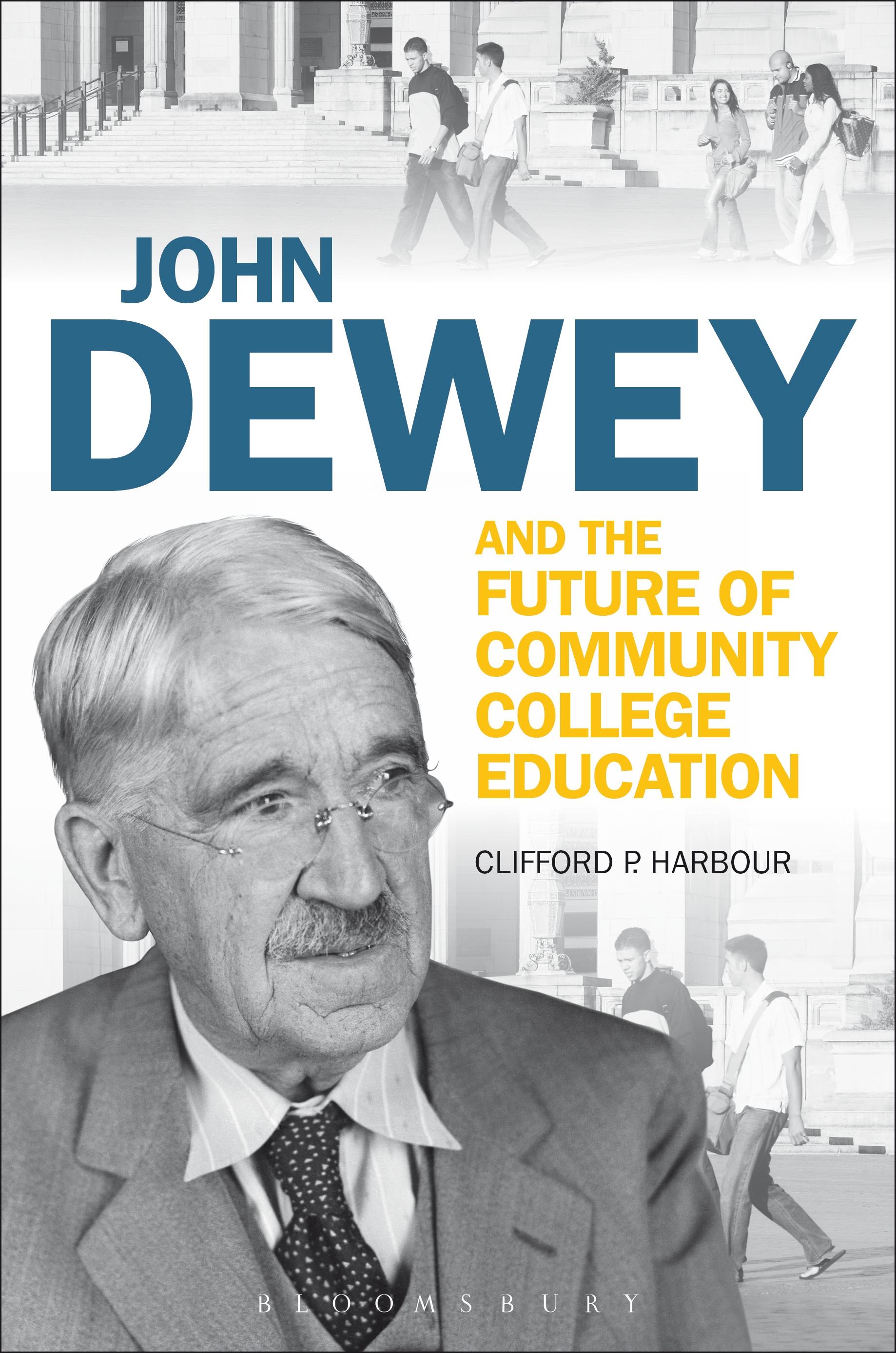
In John Dewey and the Future of Community College Education, Cliff Harbour argues that before these questions can be answered, community colleges must articulate the values and priorities that will guide them in the future. Harbour proposes that leaders across the institution come together and adopt a new democracy-based normative vision grounded in the writings of John Dewey, which would call upon colleges to do much more than improve completion rates and expand educational opportunity. It would look beyond the national economic measures that dominate higher education policy debates today and would prioritize individual student growth and the development of democratic communities. Harbour argues that this, in turn, would help community colleges contribute to the vital work of reconstructing American democracy.
John Dewey and the Future of Community College Education is essential reading for all community college advocates interested in taking a more active role in developing the community college of the future.
Today, community colleges enroll 40% of all undergraduates in the United States. In the years ahead, these institutions are expected to serve an even larger share of this student population. However, faced with increasing government pressure to significantly improve student completion rates, many community colleges will be forced to reconsider their traditional commitment to expand educational opportunity. Community colleges, therefore, are at a crossroads. Should they focus on improving student completion rates and divert resources from student recruitment programs? Should they improve completion rates by closing developmental studies programs and limiting enrollment to college-ready students? Or, can community colleges simultaneously expand educational opportunity and improve student completion?
In John Dewey and the Future of Community College Education, Cliff Harbour argues that before these questions can be answered, community colleges must articulate the values and priorities that will guide them in the future. Harbour proposes that leaders across the institution come together and adopt a new democracy-based normative vision grounded in the writings of John Dewey, which would call upon colleges to do much more than improve completion rates and expand educational opportunity. It would look beyond the national economic measures that dominate higher education policy debates today and would prioritize individual student growth and the development of democratic communities. Harbour argues that this, in turn, would help community colleges contribute to the vital work of reconstructing American democracy.
John Dewey and the Future of Community College Education is essential reading for all community college advocates interested in taking a more active role in developing the community college of the future.
Pagine: 240
Categoria: Utbildning & lärande
e-ISBN: 9781441175069
Peso di spedizione: 1.2 kg
Spedito in: 1-2 giorni
Paga facilmente con carta, Klarna, Apple Pay o Google Pay. Non sei soddisfatto? Hai sempre 14 giorni per il rimborso. Leggi di più nei nostri termini. Per qualsiasi domanda, scrivici a hello@memmo.org.
Memmo rende lo studio più facile, ovunque tu sia nel mondo. Qui trovi i tuoi libri di testo e strumenti di studio intelligenti, tutto in un unico posto: riassunti, quiz, podcast e flashcard. E poi c'è Ted, il tuo compagno di studio che risponde a ogni tua domanda. Oltre 50.000 studenti studiano già qui: è stato creato per aiutarti a imparare più velocemente e a stressarti meno.