
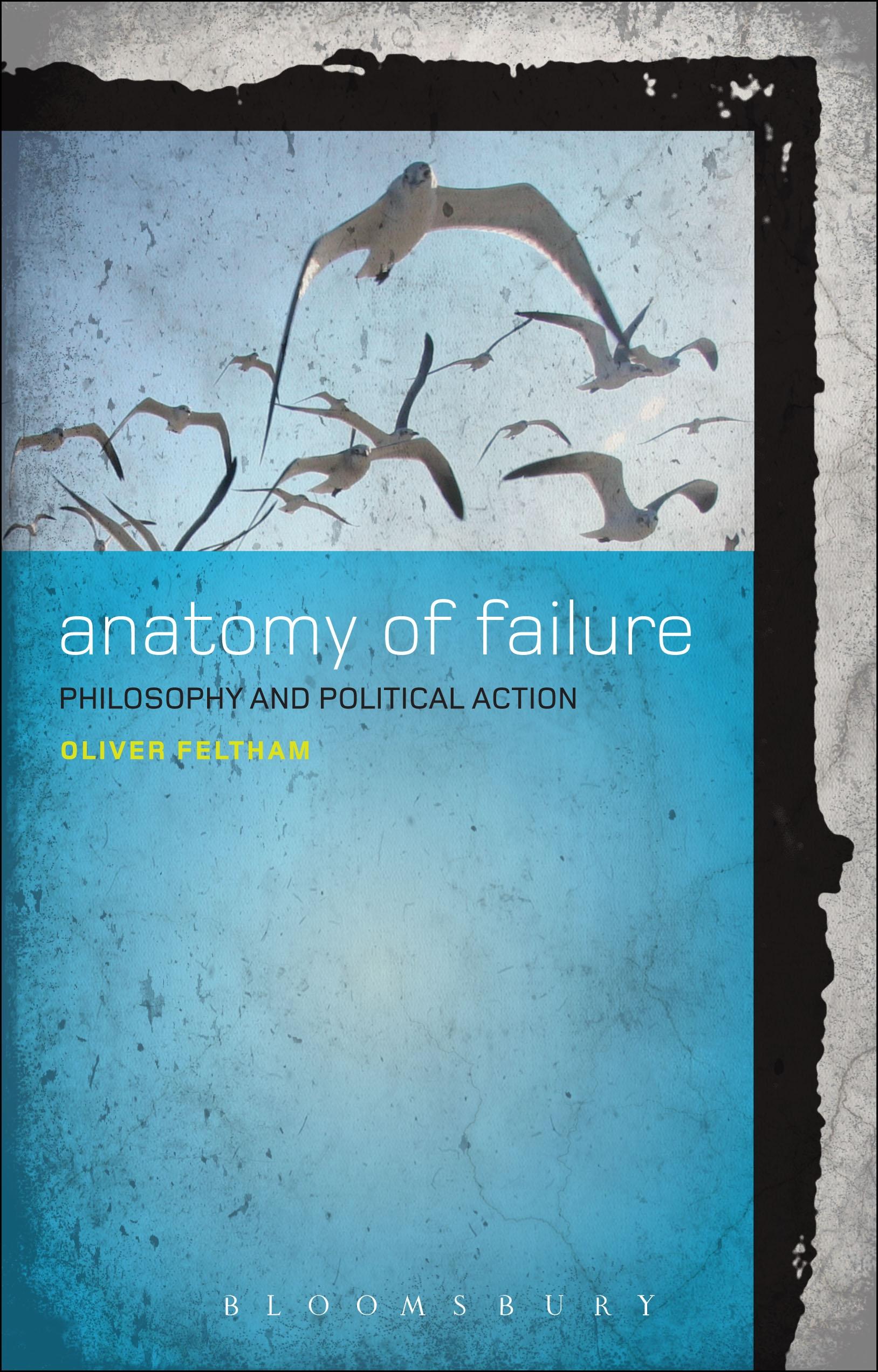
Modern liberalism begins in the forgetting of the English Revolution. Anatomy of Failure seeks to right that wrong by exploring the concept of political action, playing its history against its philosophy.
The 1640s are a period of institutional failure and political disaster: the country plunges into civil war, every agent is naked. Established procedures are thrown aside and the very grounds for action are fiercely debated and recast. Five queries emerge in the experience of the New Model Army, five queries that outline an anatomy of failure, isolating the points at which actors disagree, conflict flares up, and alliances dissolve: Who can act? On what grounds? Who is right about what is to be done? Why do we succeed or fail? If you and I split, were we ever united, and to what end? The application of these questions to the Leveller-agitator writings, and then to Thomas Hobbes and John Locke's philosophies, generates models of political action. No mere philosophical abstractions, the Hobbesian and Lockean models of sovereign and contractual action have dominated the very practice of politics for centuries. Today it is time to recuperate the Leveller-agitator model of joint action, a model unique in its adequacy to the threat of failure and in its vocation for building the common-wealth.
Anatomy of Failure is ideal for upper-level undergraduates and postgraduates taking courses in Contemporary Political Philosophy, Continental Philosophy, Modern European Philosophy, Contemporary French Philosophy, Critical Theory and Radical Political Thought.
The 1640s are a period of institutional failure and political disaster: the country plunges into civil war, every agent is naked. Established procedures are thrown aside and the very grounds for action are fiercely debated and recast. Five queries emerge in the experience of the New Model Army, five queries that outline an anatomy of failure, isolating the points at which actors disagree, conflict flares up, and alliances dissolve: Who can act? On what grounds? Who is right about what is to be done? Why do we succeed or fail? If you and I split, were we ever united, and to what end? The application of these questions to the Leveller-agitator writings, and then to Thomas Hobbes and John Locke's philosophies, generates models of political action. No mere philosophical abstractions, the Hobbesian and Lockean models of sovereign and contractual action have dominated the very practice of politics for centuries. Today it is time to recuperate the Leveller-agitator model of joint action, a model unique in its adequacy to the threat of failure and in its vocation for building the common-wealth.
Anatomy of Failure is ideal for upper-level undergraduates and postgraduates taking courses in Contemporary Political Philosophy, Continental Philosophy, Modern European Philosophy, Contemporary French Philosophy, Critical Theory and Radical Political Thought.
Paga facilmente con carta, Klarna, Apple Pay o Google Pay. Non sei soddisfatto? Hai sempre 14 giorni per il rimborso. Leggi di più nei nostri termini. Per qualsiasi domanda, scrivici a hello@memmo.org.
Memmo rende lo studio più facile, ovunque tu sia nel mondo. Qui trovi i tuoi libri di testo e strumenti di studio intelligenti, tutto in un unico posto: riassunti, quiz, podcast e flashcard. E poi c'è Ted, il tuo compagno di studio che risponde a ogni tua domanda. Oltre 50.000 studenti studiano già qui: è stato creato per aiutarti a imparare più velocemente e a stressarti meno.