
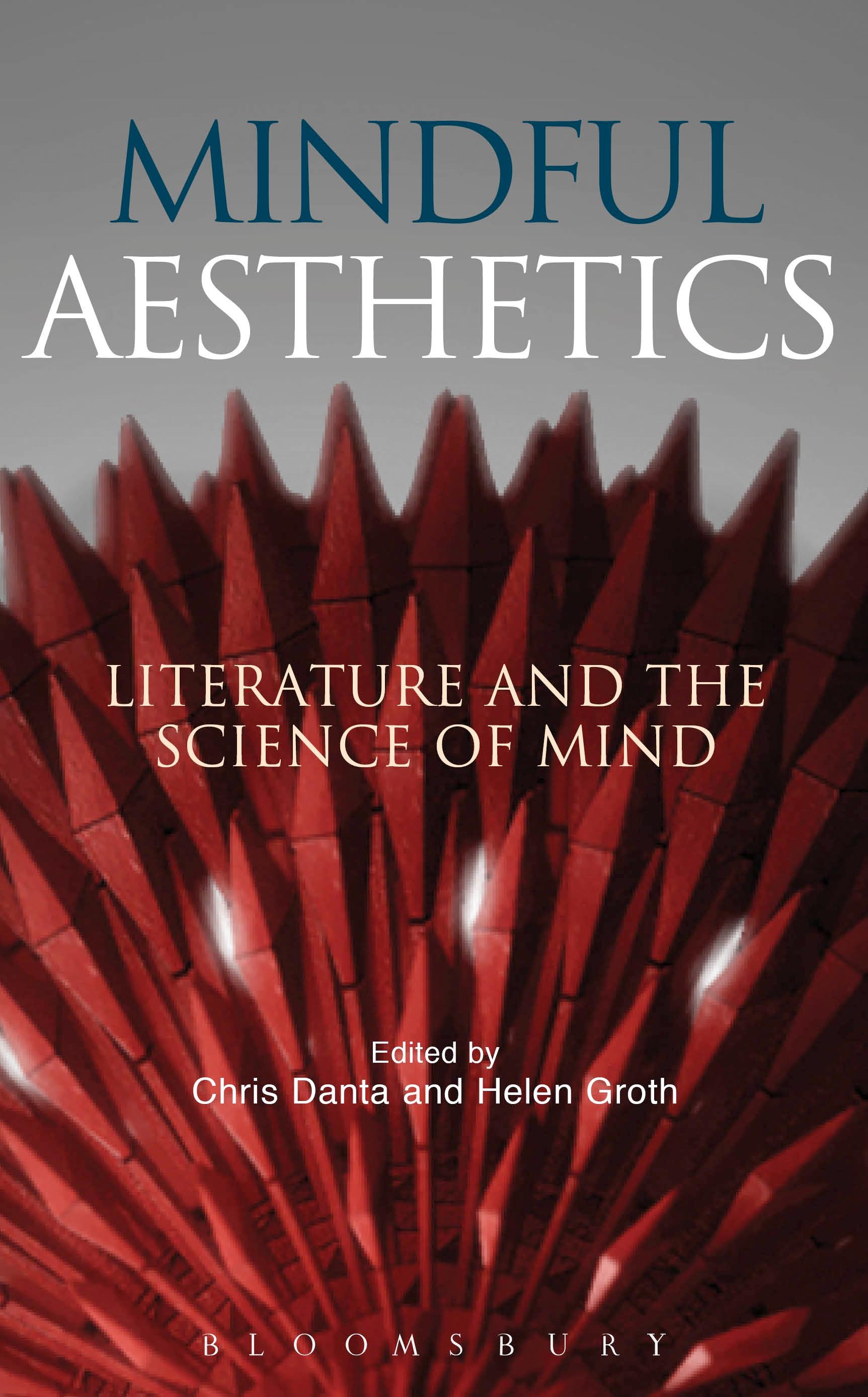
In the last few decades, literary critics have increasingly drawn insights from cognitive neuroscience to deepen and clarify our understanding of literary representations of mind. This cognitive turn has been equally generative and contentious. While cognitive literary studies has reinforced how central the concept of mind is to aesthetic practice from the classical period to the present, critics have questioned its literalism and selective borrowing of scientific authority. Mindful Aesthetics presents both these perspectives as part of a broader consideration of the ongoing and vital importance of shifting concepts of mind to both literary and critical practice.
This collection contributes to the forging of a 'new interdisciplinarity,' to paraphrase Alan Richardson's recent preface to the Neural Sublime, that is more concerned with addressing how, rather than why, we should navigate the increasingly narrow gap between the humanities and the sciences.
This collection contributes to the forging of a 'new interdisciplinarity,' to paraphrase Alan Richardson's recent preface to the Neural Sublime, that is more concerned with addressing how, rather than why, we should navigate the increasingly narrow gap between the humanities and the sciences.
Paga facilmente con carta, Klarna, Apple Pay o Google Pay. Non sei soddisfatto? Hai sempre 14 giorni per il rimborso. Leggi di più nei nostri termini. Per qualsiasi domanda, scrivici a hello@memmo.org.
Memmo rende lo studio più facile, ovunque tu sia nel mondo. Qui trovi i tuoi libri di testo e strumenti di studio intelligenti, tutto in un unico posto: riassunti, quiz, podcast e flashcard. E poi c'è Ted, il tuo compagno di studio che risponde a ogni tua domanda. Oltre 50.000 studenti studiano già qui: è stato creato per aiutarti a imparare più velocemente e a stressarti meno.