
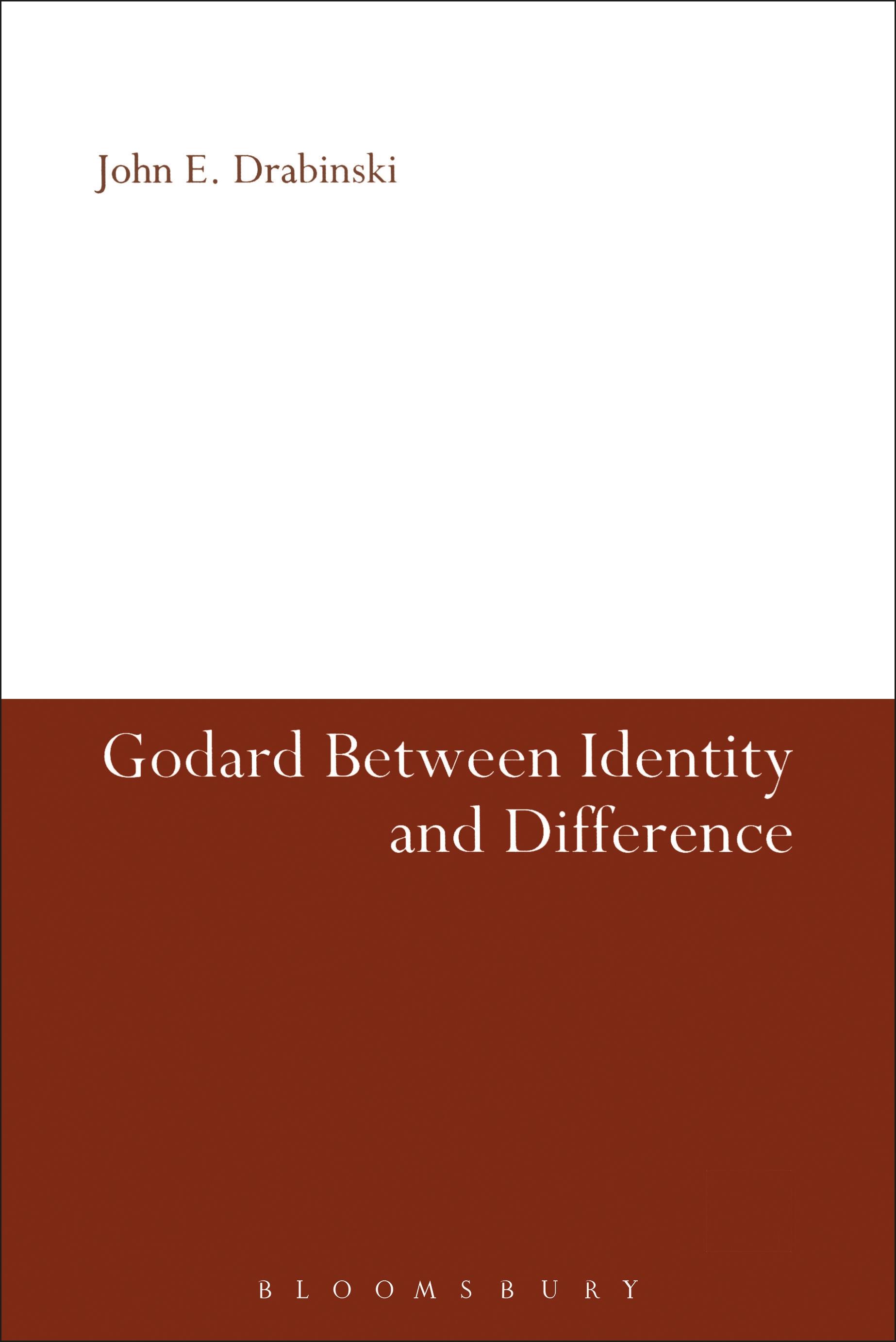
This book reads a series of Godard films as interventions in contemporary debate about the language of difference. Godard has something he wants both to preserve (singularity) and destroy (visual and aural totalitarianism). How is it possible to speak about the Other? How is it possible for the Other to speak? Does all speaking about or by the Other render that speaking common, thereby rendering what is different identical? These questions gather together a number of issues that cross and intersect disciplinary boundaries: signification, representation, ethics, politics, and so on.
The problematics with which Drabinski is concerned begin in the debate between Levinas and Derrida, then later in dialogue with Blanchot and Irigaray. To this extent, Godard is particularly well-suited as an interlocutor. Godard's work, especially in the 1970s, is itself a self-conscious form of philosophy. His films theorize themselves, produce a reflexive sound-image language, and so in many ways match the very essence of philosophy: thought thinking thought.
Still, the medium of sound and image complicates any rendering of Godard's work as philosophy. Godard produces a philosophically significant cinematic language, rather than simply narrating or representing philosophical ideas in the medium of film. And this language must be taken seriously in the context of the problem of difference. For, if difference is concerned with signification as such, then the visual and aural retain equal rights with writing (and all questions obtaining therein). Indeed, if part of the problem of speaking about or by the Other is how such speaking traffics in inscription, then cinematic language is certainly an important - and authentically complex - intervention in that problem.
The nature of the debate in this project - how the language of alterity is possible or impossible - immediately breaks disciplinary borders between philosophy, literary theory, film studies, and cultural studies. What it means to engage with film in this context, however, is complicated. To wit, there are two standard treatments of film in philosophy. Film is typically either an example of a philosophical position or philosophy is used to interpret motifs, characters, plot lines, etc. In neither case is film engaged as a form of philosophizing itself, that is, as a language engaged with philosophical problematics.
It is articulating exactly this engagement that this book takes as its primary task. The aim of the project is to read Godard's work as primary texts, with all the attention due the idiosyncratic language of those texts. Framed by the debate about difference and signification, these primary texts register and resonate as transformative interventions. The overarching argument of the book is that Godard's conception and practice of cinematic language opens new, important possibilities for thinking about radical alterity.
The problematics with which Drabinski is concerned begin in the debate between Levinas and Derrida, then later in dialogue with Blanchot and Irigaray. To this extent, Godard is particularly well-suited as an interlocutor. Godard's work, especially in the 1970s, is itself a self-conscious form of philosophy. His films theorize themselves, produce a reflexive sound-image language, and so in many ways match the very essence of philosophy: thought thinking thought.
Still, the medium of sound and image complicates any rendering of Godard's work as philosophy. Godard produces a philosophically significant cinematic language, rather than simply narrating or representing philosophical ideas in the medium of film. And this language must be taken seriously in the context of the problem of difference. For, if difference is concerned with signification as such, then the visual and aural retain equal rights with writing (and all questions obtaining therein). Indeed, if part of the problem of speaking about or by the Other is how such speaking traffics in inscription, then cinematic language is certainly an important - and authentically complex - intervention in that problem.
The nature of the debate in this project - how the language of alterity is possible or impossible - immediately breaks disciplinary borders between philosophy, literary theory, film studies, and cultural studies. What it means to engage with film in this context, however, is complicated. To wit, there are two standard treatments of film in philosophy. Film is typically either an example of a philosophical position or philosophy is used to interpret motifs, characters, plot lines, etc. In neither case is film engaged as a form of philosophizing itself, that is, as a language engaged with philosophical problematics.
It is articulating exactly this engagement that this book takes as its primary task. The aim of the project is to read Godard's work as primary texts, with all the attention due the idiosyncratic language of those texts. Framed by the debate about difference and signification, these primary texts register and resonate as transformative interventions. The overarching argument of the book is that Godard's conception and practice of cinematic language opens new, important possibilities for thinking about radical alterity.
Pagine: 176
Categoria: Film- & Medievetenskap
e-ISBN: 9781441158482
Peso di spedizione: 1.2 kg
Spedito in: 1-2 giorni
Paga facilmente con carta, Klarna, Apple Pay o Google Pay. Non sei soddisfatto? Hai sempre 14 giorni per il rimborso. Leggi di più nei nostri termini. Per qualsiasi domanda, scrivici a hello@memmo.org.
Memmo rende lo studio più facile, ovunque tu sia nel mondo. Qui trovi i tuoi libri di testo e strumenti di studio intelligenti, tutto in un unico posto: riassunti, quiz, podcast e flashcard. E poi c'è Ted, il tuo compagno di studio che risponde a ogni tua domanda. Oltre 50.000 studenti studiano già qui: è stato creato per aiutarti a imparare più velocemente e a stressarti meno.