
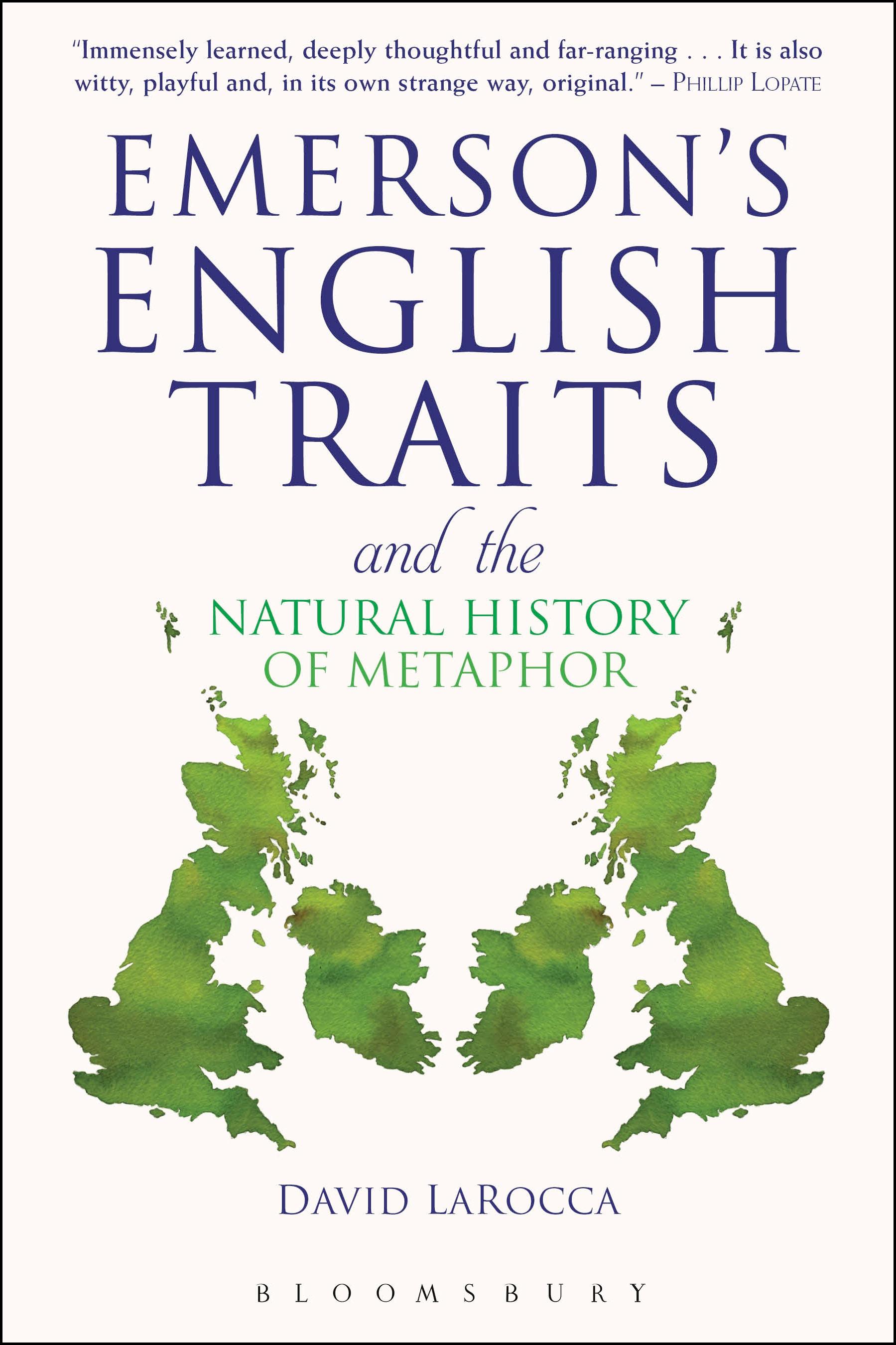
Metaphors are ubiquitous and yet-or, for that very reason-go largely unseen. We are all variously susceptible to a blindness or blurry vision of metaphors; yet even when they are seen clearly, we are left to situate the ambiguities, conflations and contradictions they regularly present-logically, aesthetically and morally.
David LaRocca's book serves as a set of 'reminders' of certain features of the natural history of our language-especially the tropes that permeate and define it. As part of his investigation, LaRocca turns to Ralph Waldo Emerson's only book on a single topic, English Traits (1856), which teems with genealogical and generative metaphors-blood, birth, plants, parents, family, names and race.
In the first book-length study of English Traits in over half a century, LaRocca considers the presence of metaphors in Emerson's fertile text-a unique work in his expansive corpus, and one that is regularly overlooked. As metaphors are encountered in Emerson's book, and drawn from a long history of usage in work by others, a reader may realize (or remember) what is inherent and encoded in our language, but rarely seen: how metaphors circulate in speech and through texts to become the lifeblood of thought.
David LaRocca's book serves as a set of 'reminders' of certain features of the natural history of our language-especially the tropes that permeate and define it. As part of his investigation, LaRocca turns to Ralph Waldo Emerson's only book on a single topic, English Traits (1856), which teems with genealogical and generative metaphors-blood, birth, plants, parents, family, names and race.
In the first book-length study of English Traits in over half a century, LaRocca considers the presence of metaphors in Emerson's fertile text-a unique work in his expansive corpus, and one that is regularly overlooked. As metaphors are encountered in Emerson's book, and drawn from a long history of usage in work by others, a reader may realize (or remember) what is inherent and encoded in our language, but rarely seen: how metaphors circulate in speech and through texts to become the lifeblood of thought.
Pagine: 408
Categoria: Litteraturvetenskap & Teori
e-ISBN: 9781441137029
Peso di spedizione: 1.2 kg
Spedito in: 1-2 giorni
Paga facilmente con carta, Klarna, Apple Pay o Google Pay. Non sei soddisfatto? Hai sempre 14 giorni per il rimborso. Leggi di più nei nostri termini. Per qualsiasi domanda, scrivici a hello@memmo.org.
Memmo rende lo studio più facile, ovunque tu sia nel mondo. Qui trovi i tuoi libri di testo e strumenti di studio intelligenti, tutto in un unico posto: riassunti, quiz, podcast e flashcard. E poi c'è Ted, il tuo compagno di studio che risponde a ogni tua domanda. Oltre 50.000 studenti studiano già qui: è stato creato per aiutarti a imparare più velocemente e a stressarti meno.