
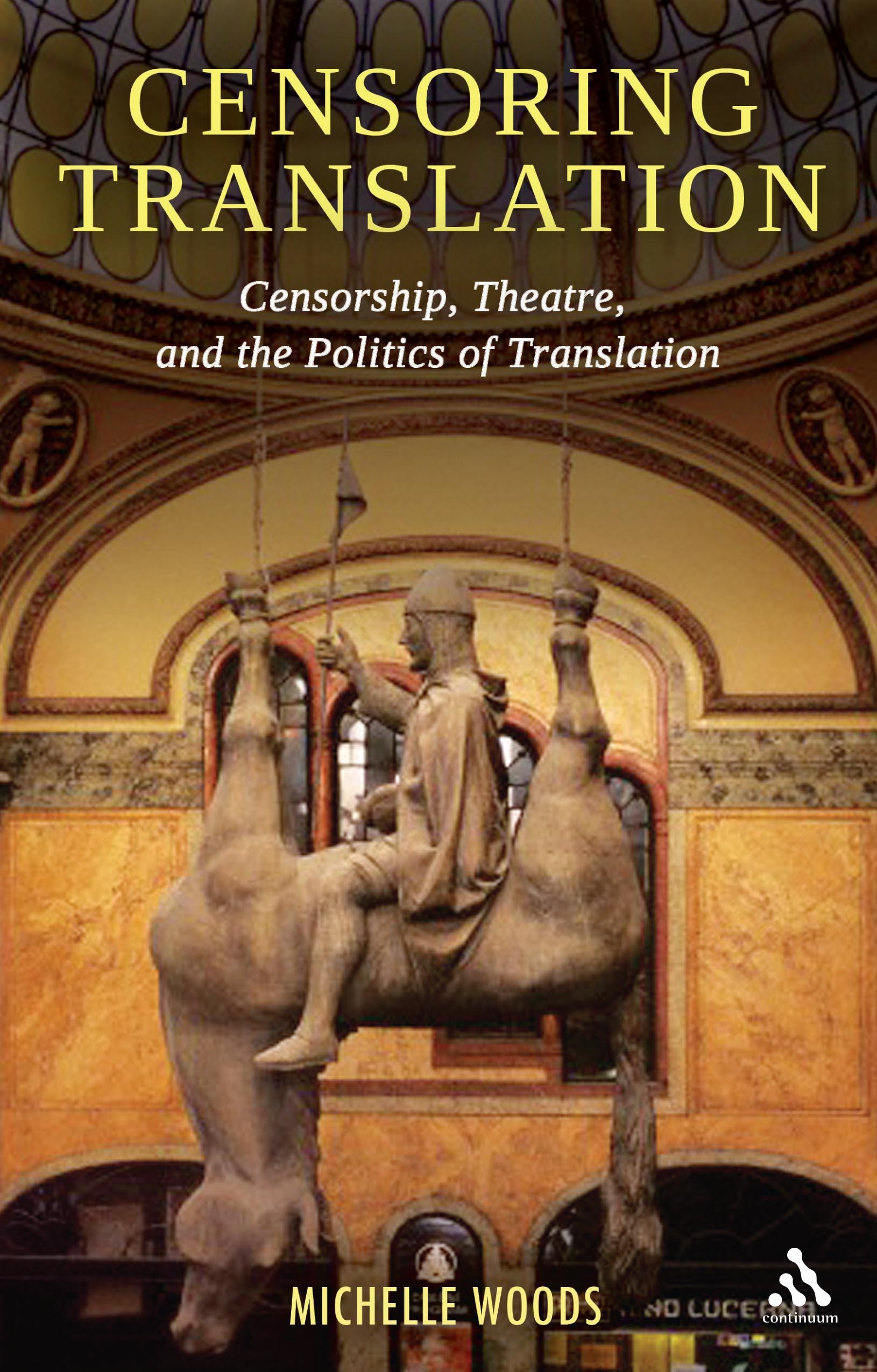
A play is written, faces censorship and is banned in its native country. There is strong international interest; the play is translated into English, it is adapted, and it is not performed.
Censoring Translation questions the role of textual translation practices in shaping the circulation and reception of foreign censored theatre. It examines three forms of censorship in relation to translation: ideological censorship; gender censorship; and market censorship.
This examination of censorship is informed by extensive archival evidence from the previously unseen archives of Václav Havel's main theatre translator, Vera Blackwell, which includes drafts of playscripts, legal negotiations, reviews, interviews, notes and previously unseen correspondence over thirty years with Havel and central figures of the theatre world, such as Kenneth Tynan, Martin Esslin, and Tom Stoppard.
Michelle Woods uses this previously unresearched archive to explore broader questions on censorship, asking why texts are translated at a given time, who translates them, how their identity may affect the translation, and how the constituents of success in a target culture may involve elements of censorship.
Censoring Translation questions the role of textual translation practices in shaping the circulation and reception of foreign censored theatre. It examines three forms of censorship in relation to translation: ideological censorship; gender censorship; and market censorship.
This examination of censorship is informed by extensive archival evidence from the previously unseen archives of Václav Havel's main theatre translator, Vera Blackwell, which includes drafts of playscripts, legal negotiations, reviews, interviews, notes and previously unseen correspondence over thirty years with Havel and central figures of the theatre world, such as Kenneth Tynan, Martin Esslin, and Tom Stoppard.
Michelle Woods uses this previously unresearched archive to explore broader questions on censorship, asking why texts are translated at a given time, who translates them, how their identity may affect the translation, and how the constituents of success in a target culture may involve elements of censorship.
Paga facilmente con carta, Klarna, Apple Pay o Google Pay. Non sei soddisfatto? Hai sempre 14 giorni per il rimborso. Leggi di più nei nostri termini. Per qualsiasi domanda, scrivici a hello@memmo.org.
Memmo rende lo studio più facile, ovunque tu sia nel mondo. Qui trovi i tuoi libri di testo e strumenti di studio intelligenti, tutto in un unico posto: riassunti, quiz, podcast e flashcard. E poi c'è Ted, il tuo compagno di studio che risponde a ogni tua domanda. Oltre 50.000 studenti studiano già qui: è stato creato per aiutarti a imparare più velocemente e a stressarti meno.