
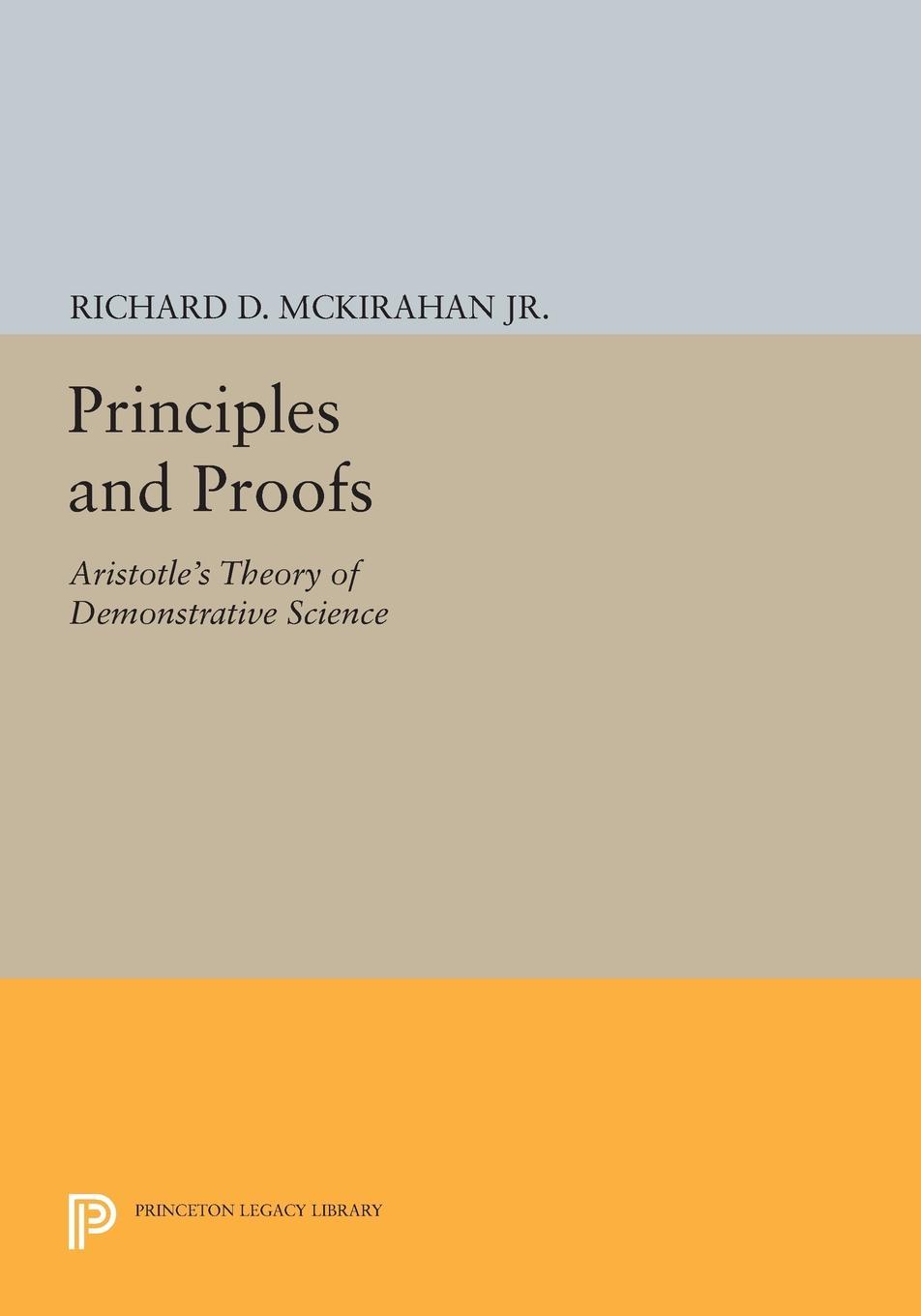
By a thorough study of the Posterior Analytics and related Aristotelian texts, Richard McKirahan reconstructs Aristotle's theory of episteme--science. The Posterior Analytics contains the first extensive treatment of the nature and structure of science in the history of philosophy, and McKirahan's aim is to interpret it sympathetically, following the lead of the text, rather than imposing contemporary frameworks on it. In addition to treating the theory as a whole, the author uses textual and philological as well as philosophical material to interpret many important but difficult individual passages. A number of issues left obscure by the Aristotelian material are settled by reference to Euclid's geometrical practice in the Elements. To justify this use of Euclid, McKirahan makes a comparative analysis of fundamental features of Euclidian geometry with the corresponding elements of Aristotle's theory. Emerging from that discussion is a more precise and more complex picture of the relation between Aristotle's theory and Greek mathematics--a picture of mutual, rather than one-way, dependence.
Originally published in 1992.
The Princeton Legacy Library uses the latest print-on-demand technology to again make available previously out-of-print books from the distinguished backlist of Princeton University Press. These editions preserve the original texts of these important books while presenting them in durable paperback and hardcover editions. The goal of the Princeton Legacy Library is to vastly increase access to the rich scholarly heritage found in the thousands of books published by Princeton University Press since its founding in 1905.
Paga facilmente con carta, Klarna, Apple Pay o Google Pay. Non sei soddisfatto? Hai sempre 14 giorni per il rimborso. Leggi di più nei nostri termini. Per qualsiasi domanda, scrivici a hello@memmo.org.
Memmo rende lo studio più facile, ovunque tu sia nel mondo. Qui trovi i tuoi libri di testo e strumenti di studio intelligenti, tutto in un unico posto: riassunti, quiz, podcast e flashcard. E poi c'è Ted, il tuo compagno di studio che risponde a ogni tua domanda. Oltre 50.000 studenti studiano già qui: è stato creato per aiutarti a imparare più velocemente e a stressarti meno.