
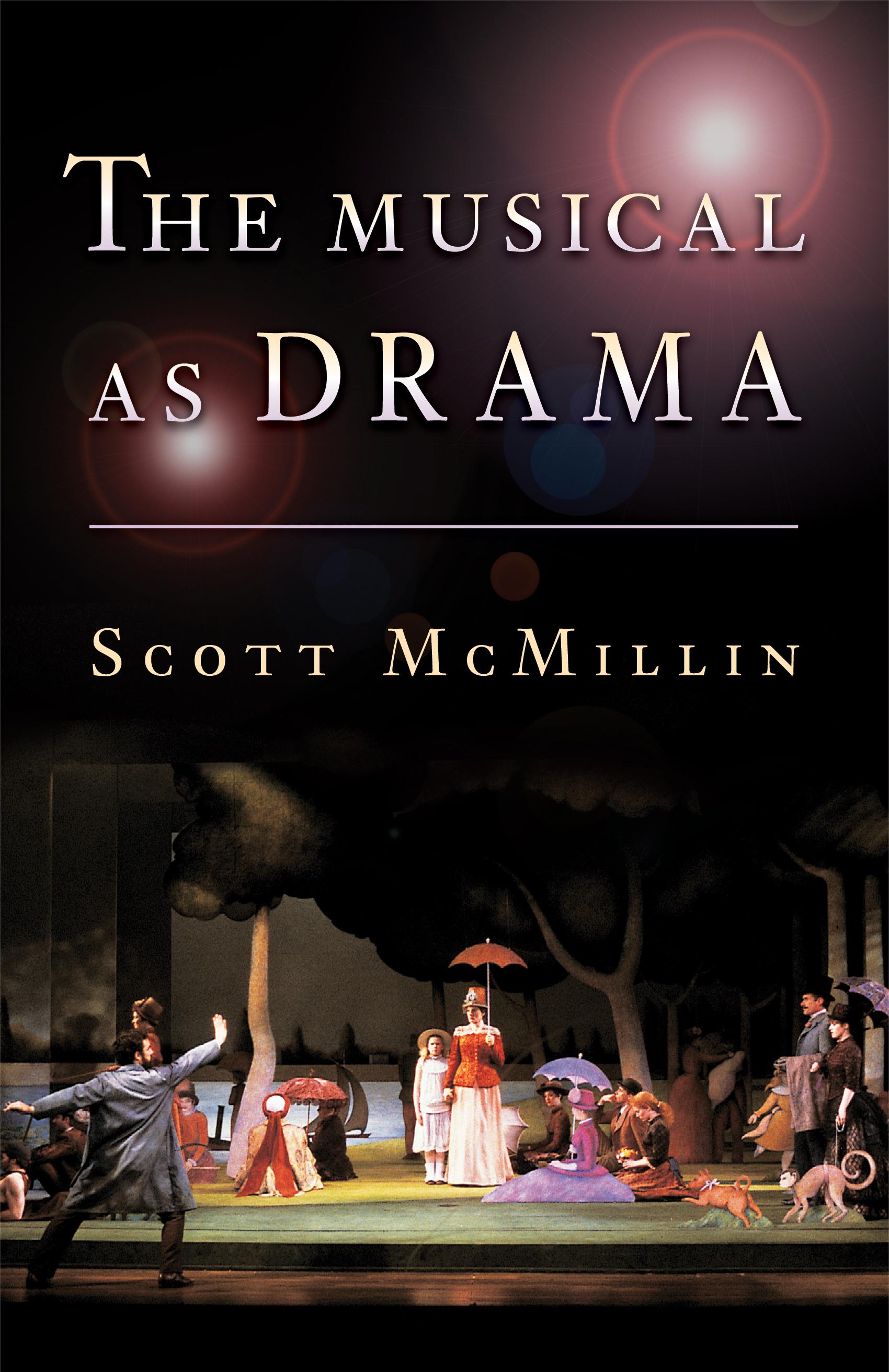
Derived from the colorful traditions of vaudeville, burlesque, revue, and operetta, the musical has blossomed into America's most popular form of theater. Scott McMillin has developed a fresh aesthetic theory of this underrated art form, exploring the musical as a type of drama deserving the kind of critical and theoretical regard given to Chekhov or opera. Until recently, the musical has been considered either an "integrated" form of theater or an inferior sibling of opera. McMillin demonstrates that neither of these views is accurate, and that the musical holds true to the disjunctive and irreverent forms of popular entertainment from which it arose a century ago.
Critics and composers have long held the musical to the standards applied to opera, asserting that each piece should work together to create a seamless drama. But McMillin argues that the musical is a different form of theater, requiring the suspension of the plot for song. The musical's success lies not in the smoothness of unity, but in the crackle of difference. While disparate, the dancing, music, dialogue, and songs combine to explore different aspects of the action and the characters.
Discussing composers and writers such as Rodgers and Hammerstein, Stephen Sondheim, Kander and Ebb, Leonard Bernstein, and Jerome Kern, The Musical as Drama describes the continuity of this distinctively American dramatic genre, from the shows of the 1920s and 1930s to the musicals of today.
Paga facilmente con carta, Klarna, Apple Pay o Google Pay. Non sei soddisfatto? Hai sempre 14 giorni per il rimborso. Leggi di più nei nostri termini. Per qualsiasi domanda, scrivici a hello@memmo.org.
Memmo rende lo studio più facile, ovunque tu sia nel mondo. Qui trovi i tuoi libri di testo e strumenti di studio intelligenti, tutto in un unico posto: riassunti, quiz, podcast e flashcard. E poi c'è Ted, il tuo compagno di studio che risponde a ogni tua domanda. Oltre 50.000 studenti studiano già qui: è stato creato per aiutarti a imparare più velocemente e a stressarti meno.